
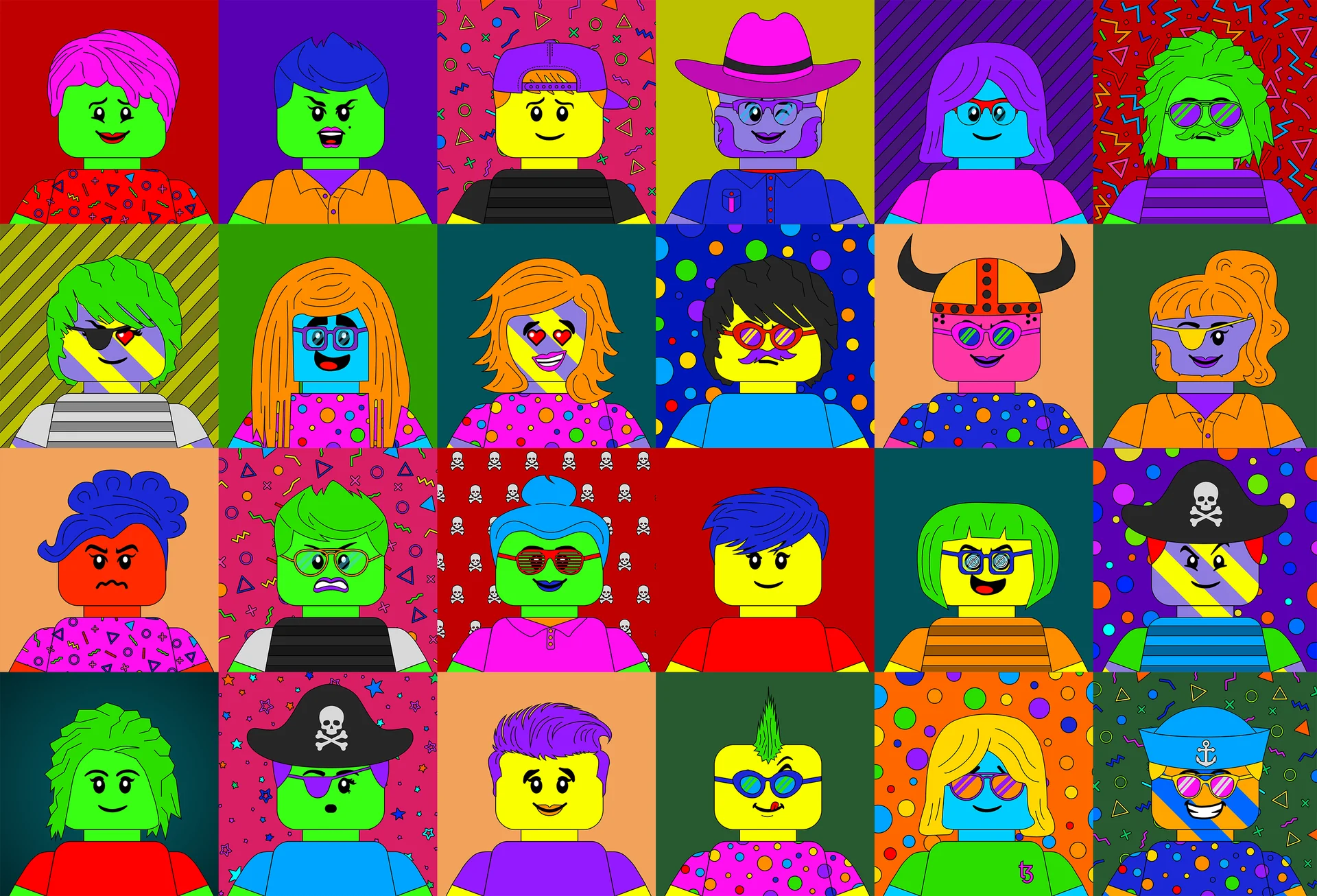
tzMiniFigs
Synthetic
In 2021, I was deep into NFTs. I loved collecting profile pictures, finding weird little characters, and seeing what artists could build around them. Eventually, I wanted to make a collection of my own.
tzMiniFigs became a collection of 1,500 unique portraits on the Tezos blockchain. I drew the traits, built a generative system with After Effects and Google Sheets, and spent the next fifteen months making new artwork, running giveaways, fulfilling Customs, and developing the project with its collectors.
Illustration · Generative Art · Motion Design · Game
Mechanics · Community Operations
Illustrator ·
After Effects · Google Sheets · Cinema 4D
The collection’s original utility ended in December 2022.
From Brickman Basketball to tzMiniFigs
I already had a head start. A few years earlier, I built the Brickman Basketball Association: a project that turned basketball players into minifigure-style characters. It left me with a whole library of faces, clothing, and other design assets to work with.
Around the time I was planning tzMiniFigs, I was also seeing custom and bootleg minifigures all over Instagram and Pinterest. I loved how people could take familiar parts and assemble almost any character they could imagine. That spirit of customization felt right at home with the things that interested me about blockchain: making something of your own from a shared set of possibilities.
So I took the little characters I already loved making and started building a collection around them.


The trait library
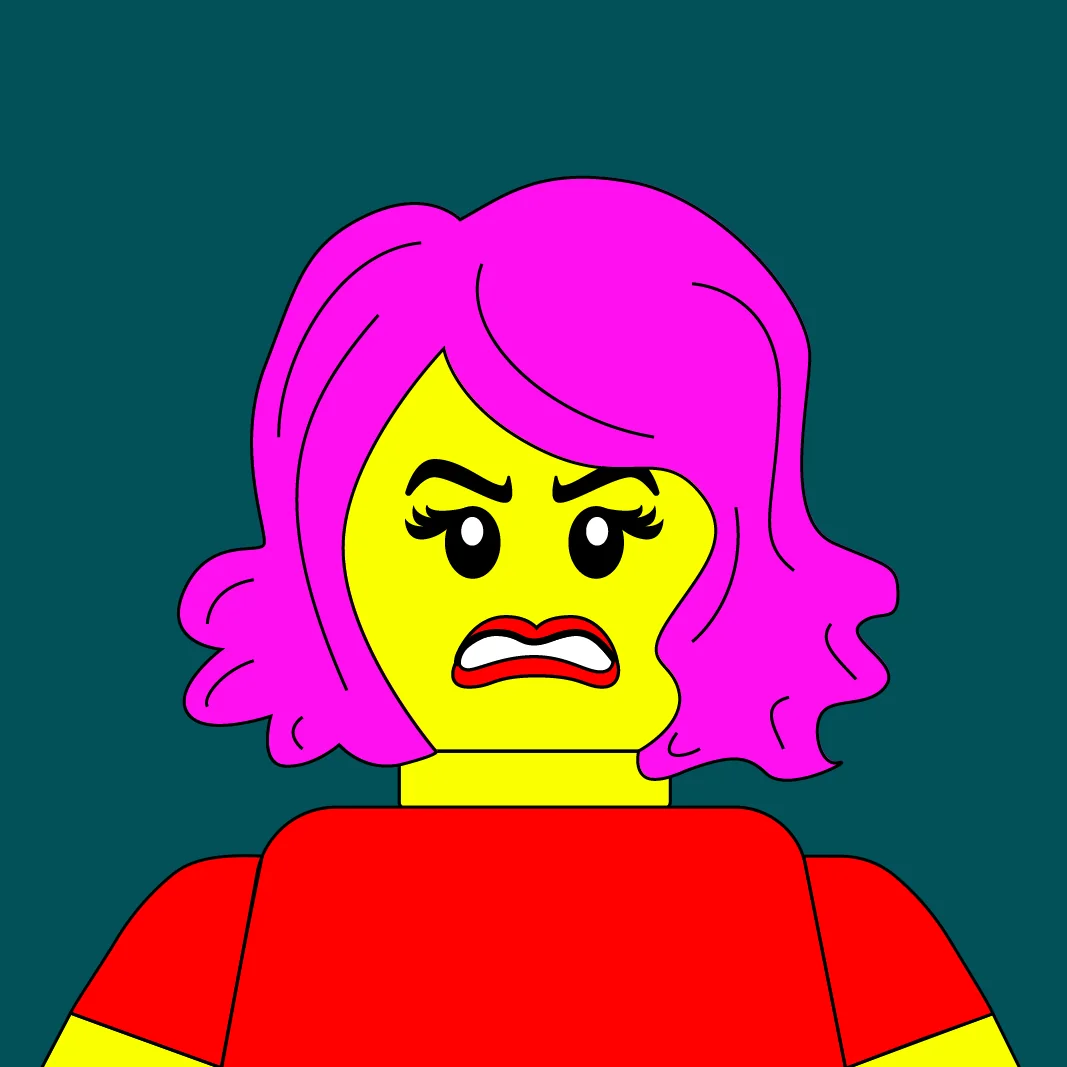
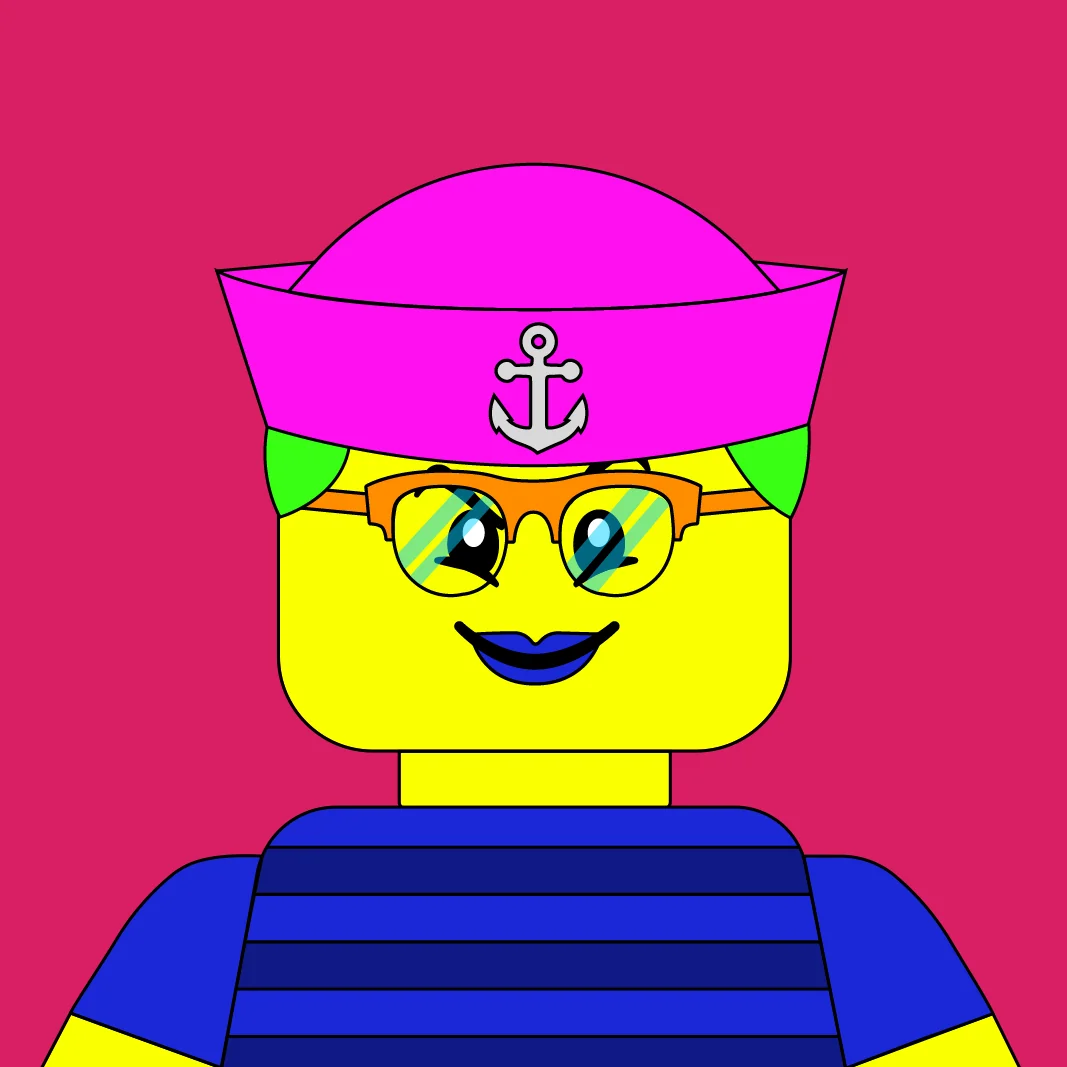
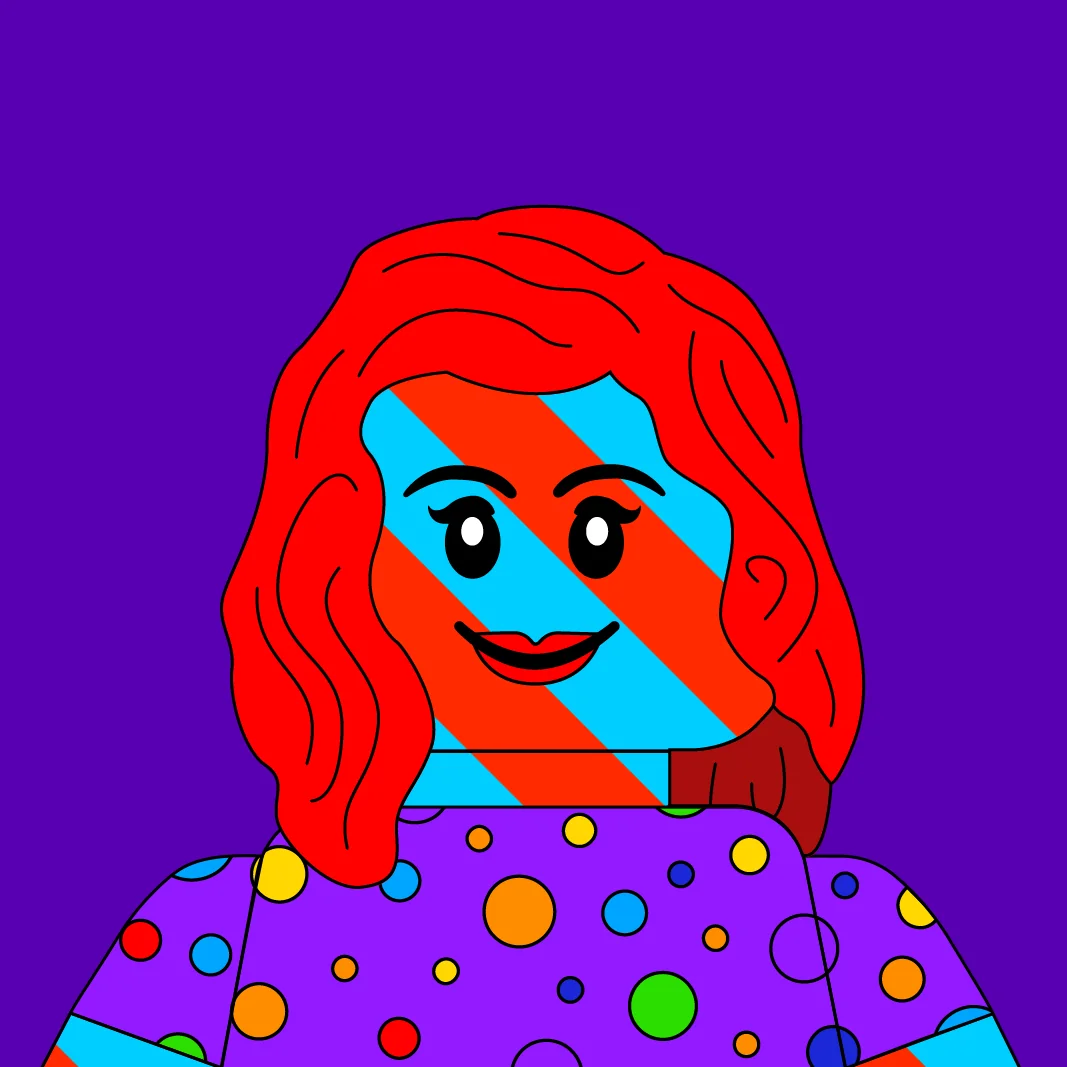
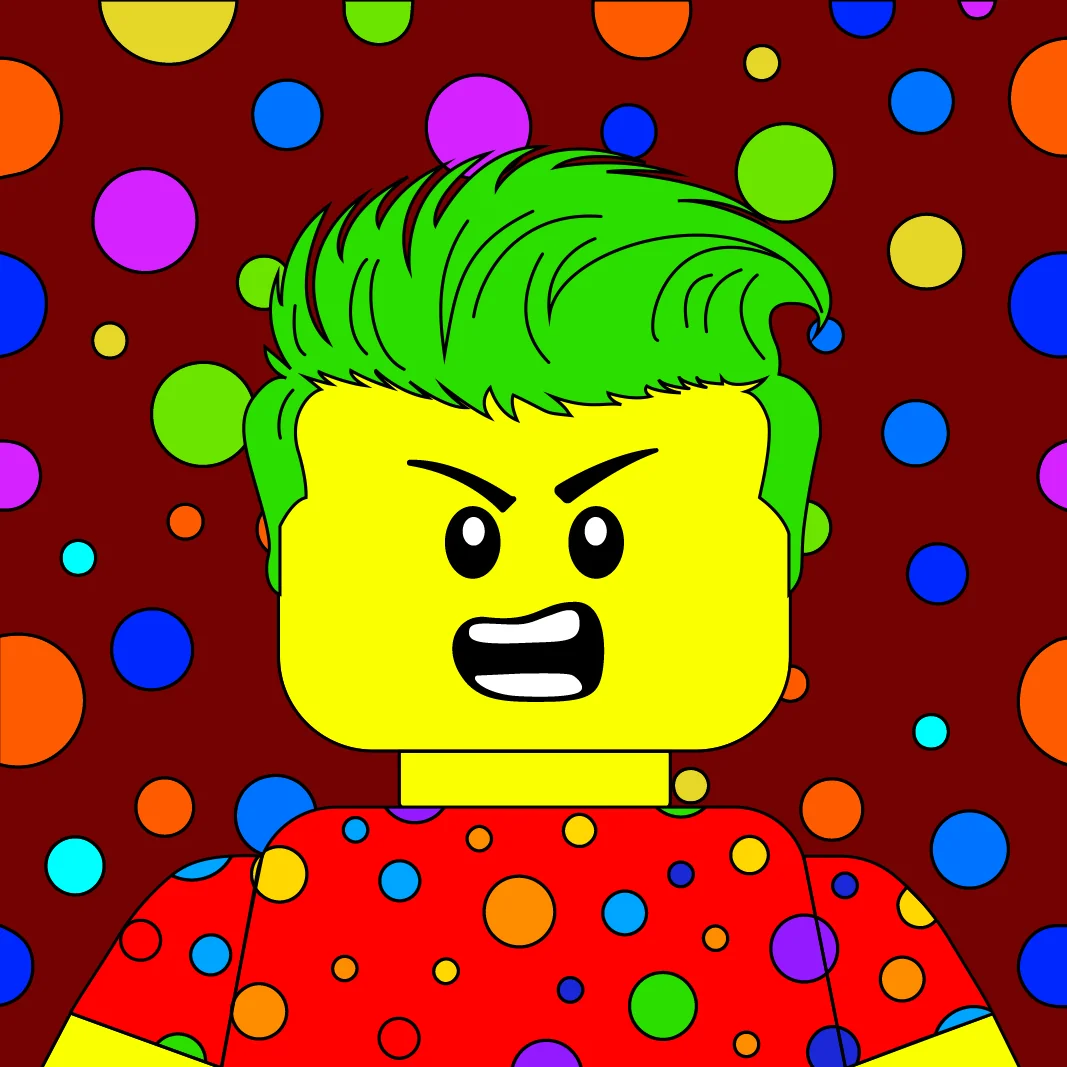
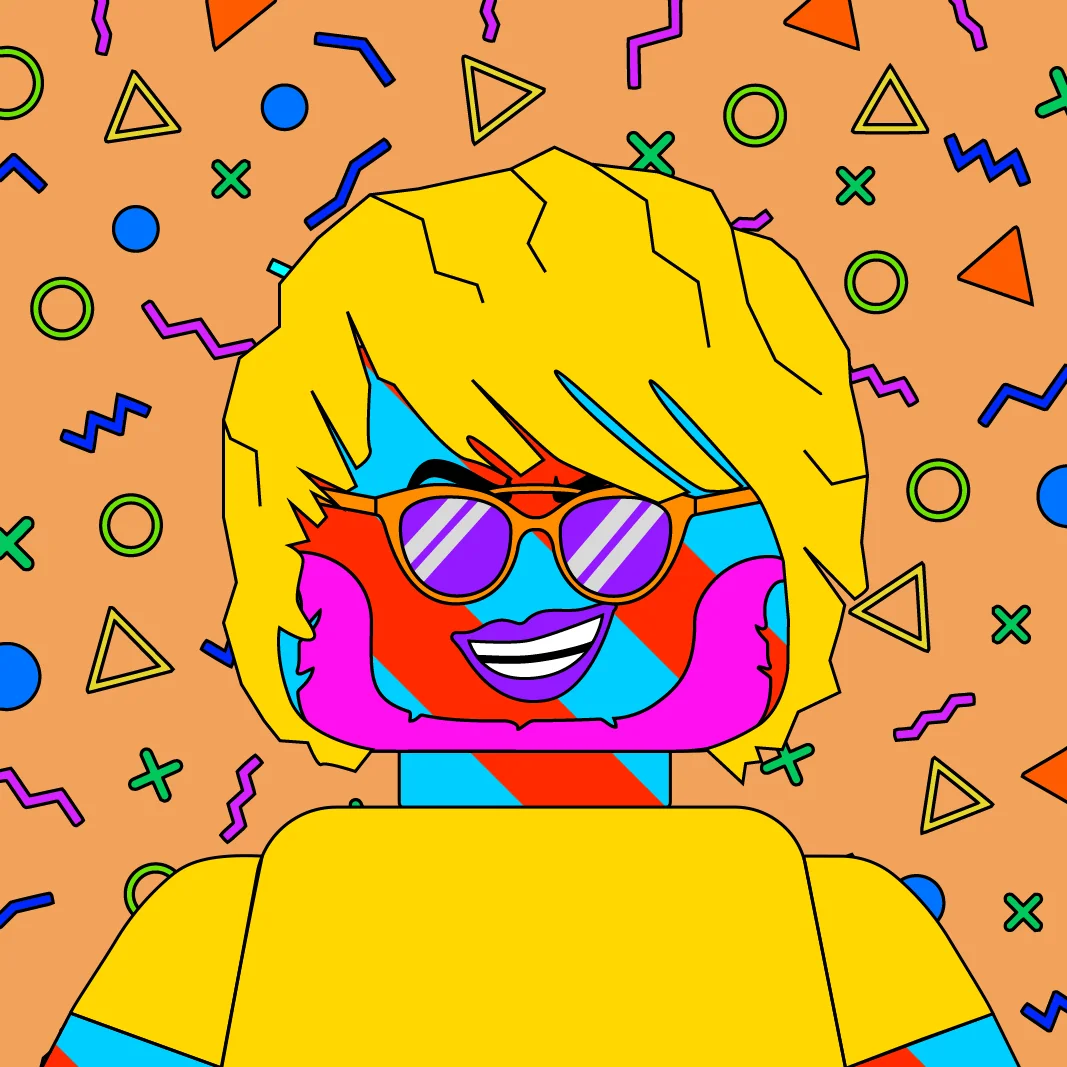
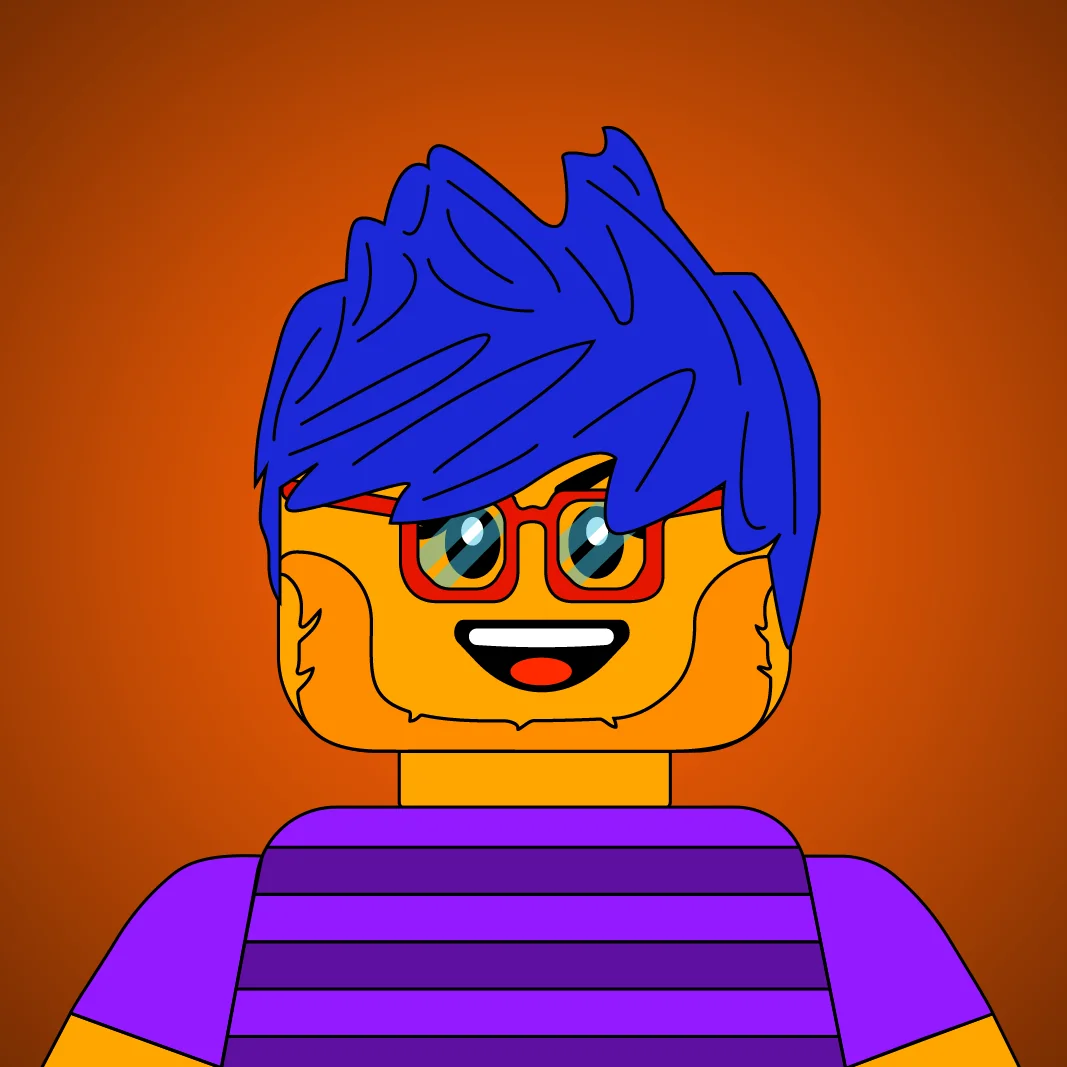
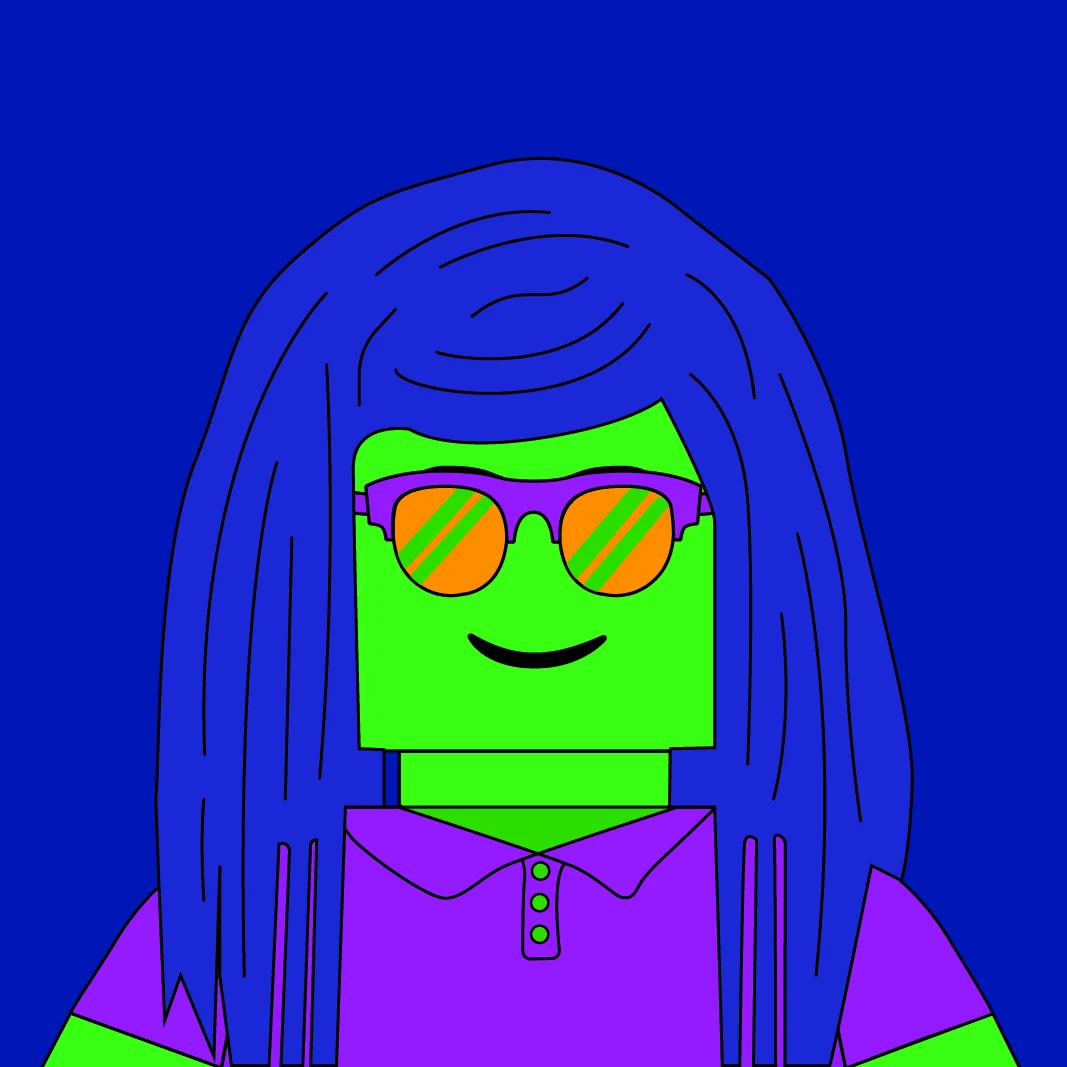
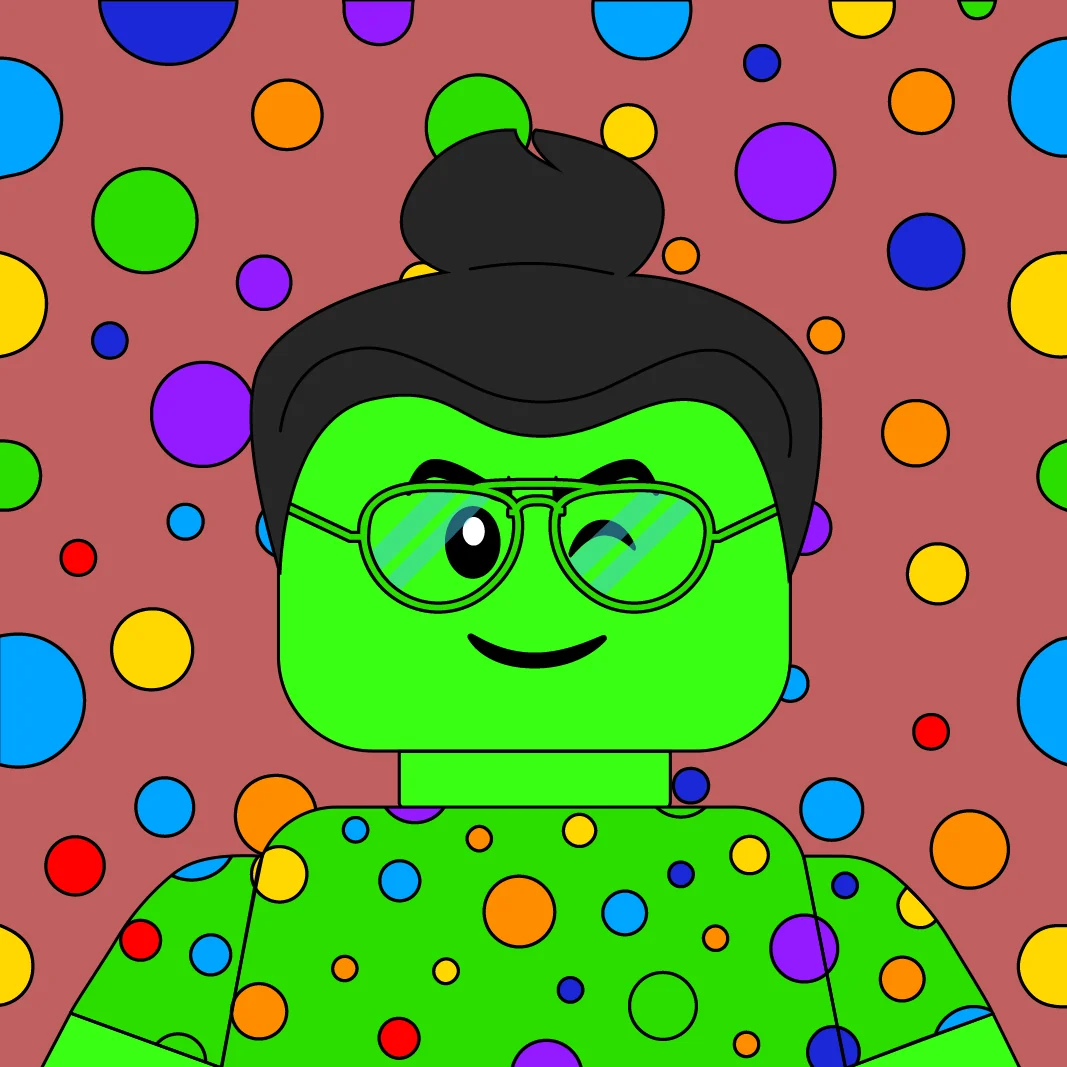
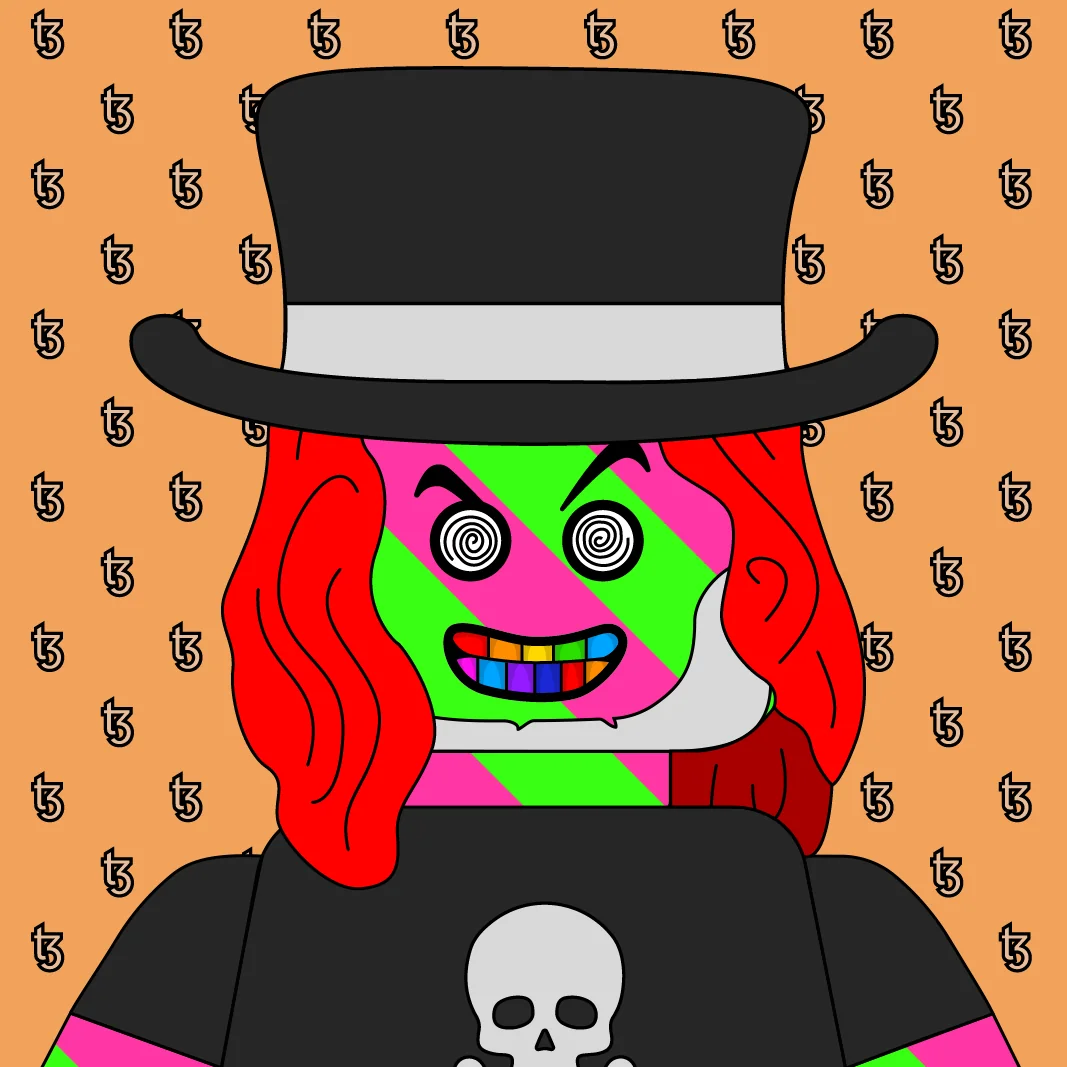
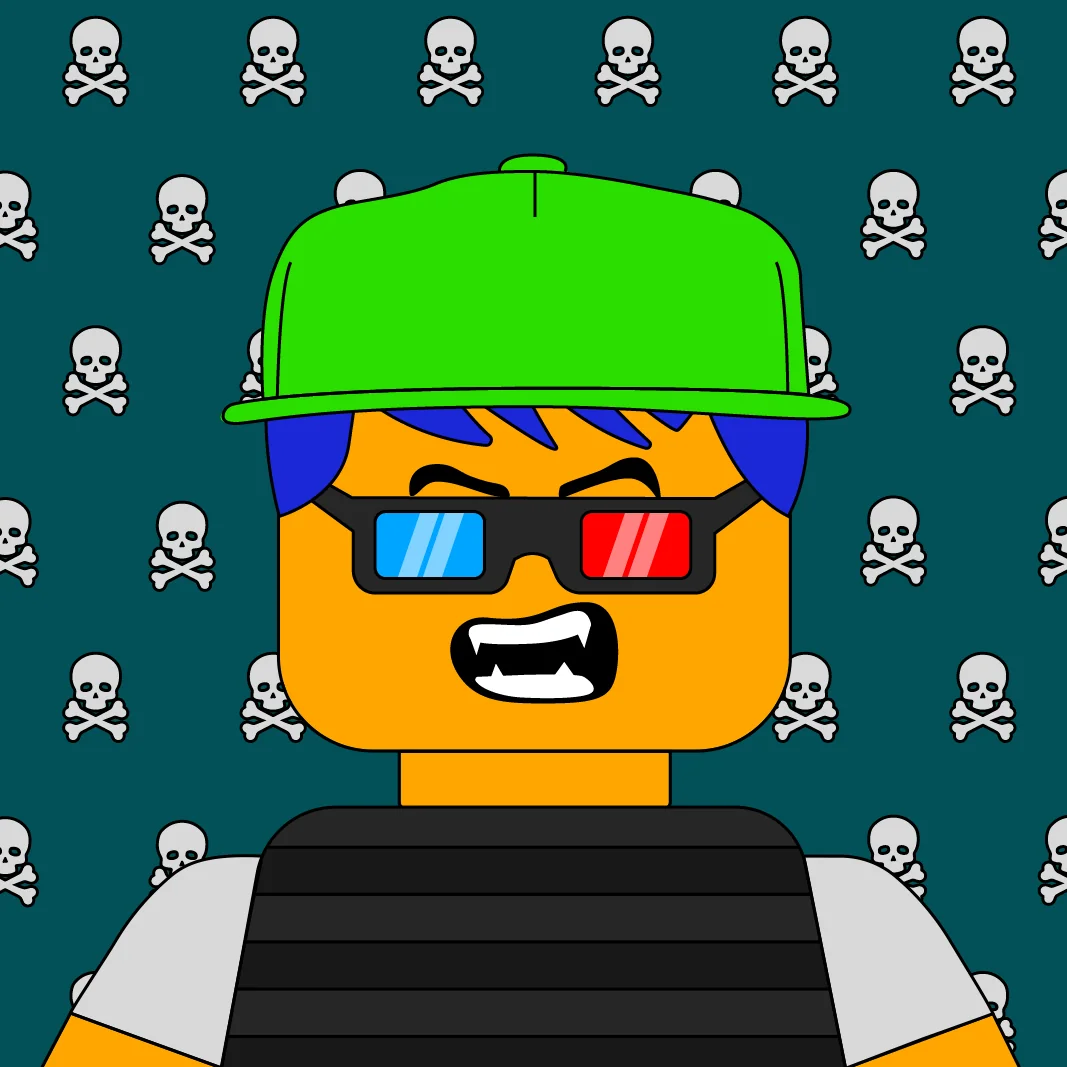
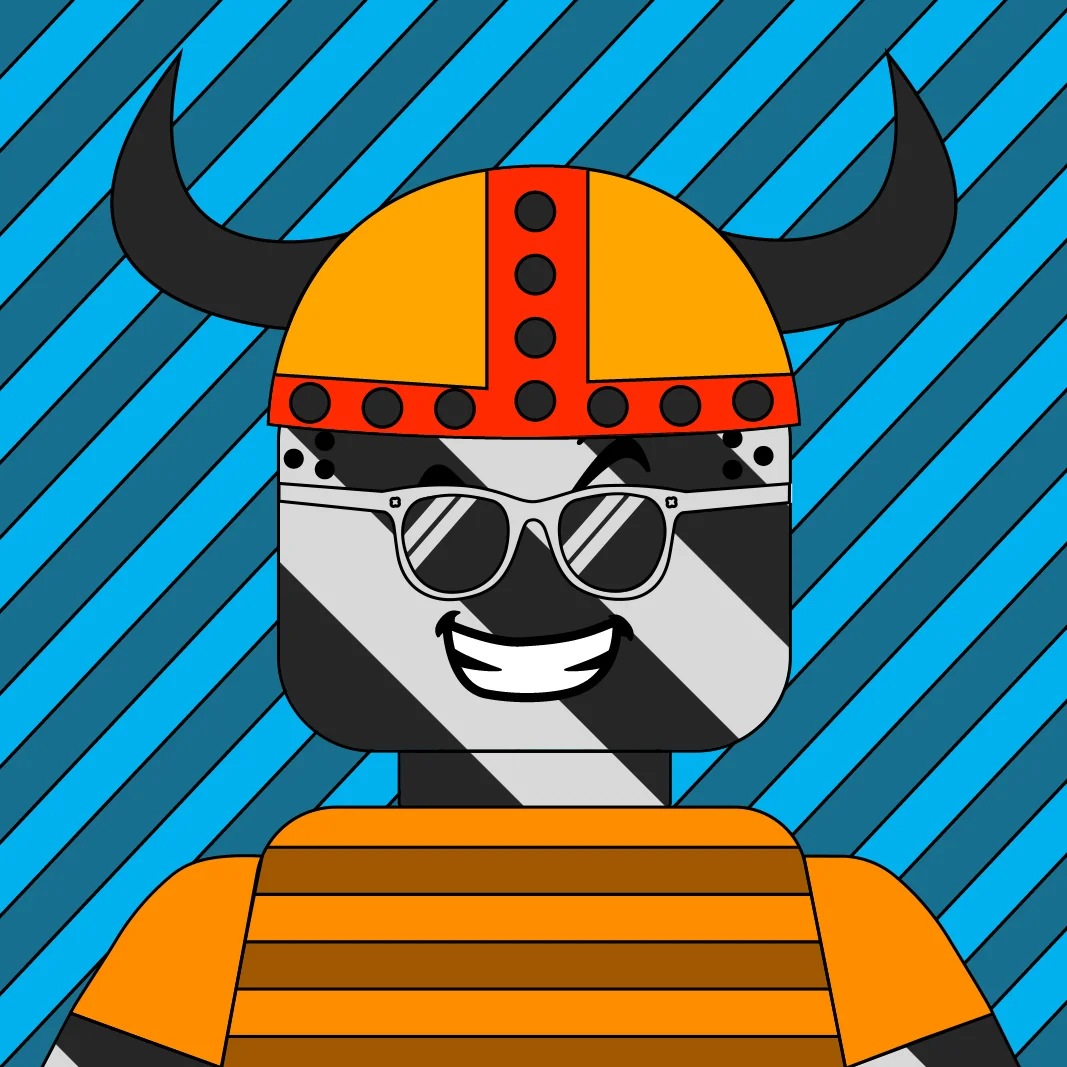
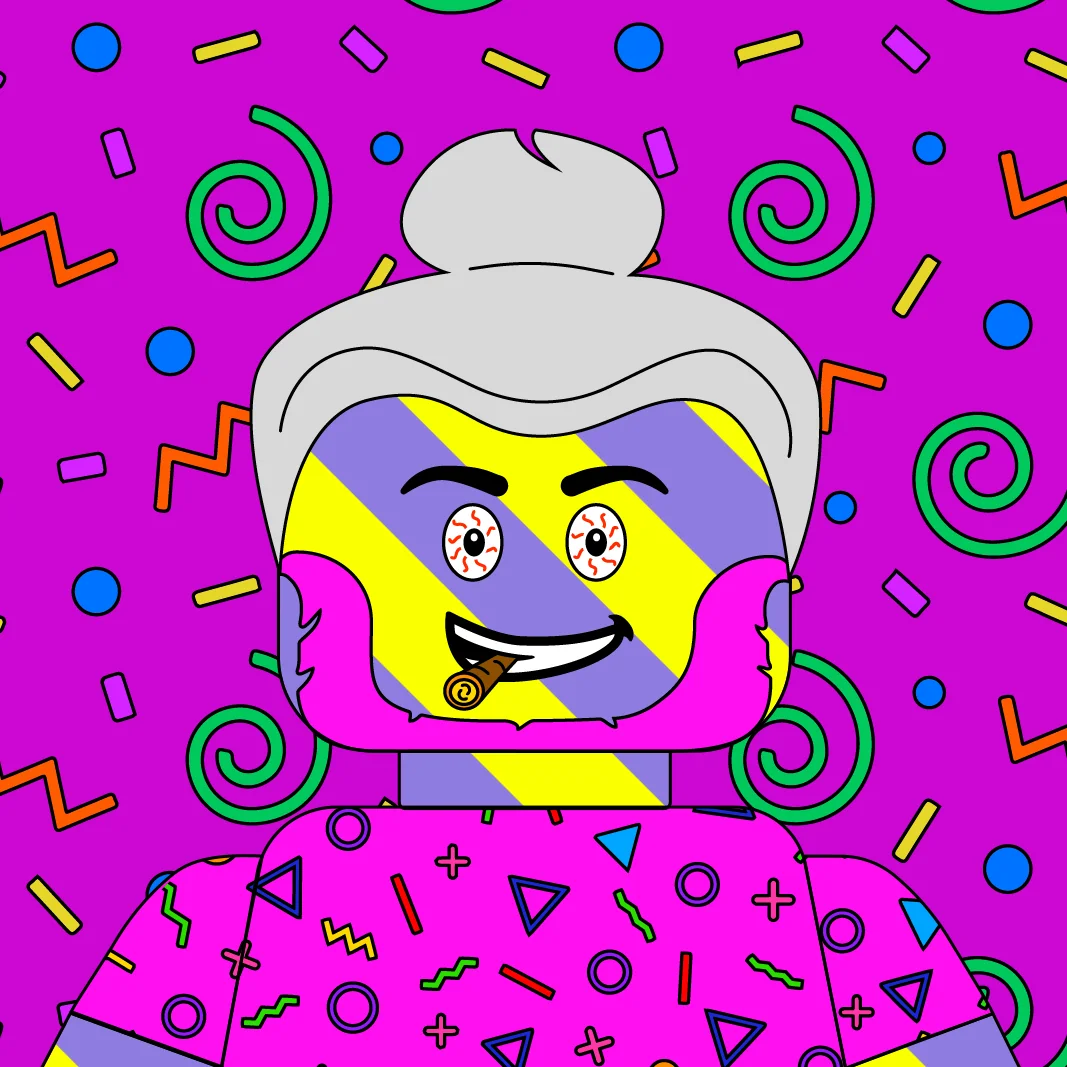
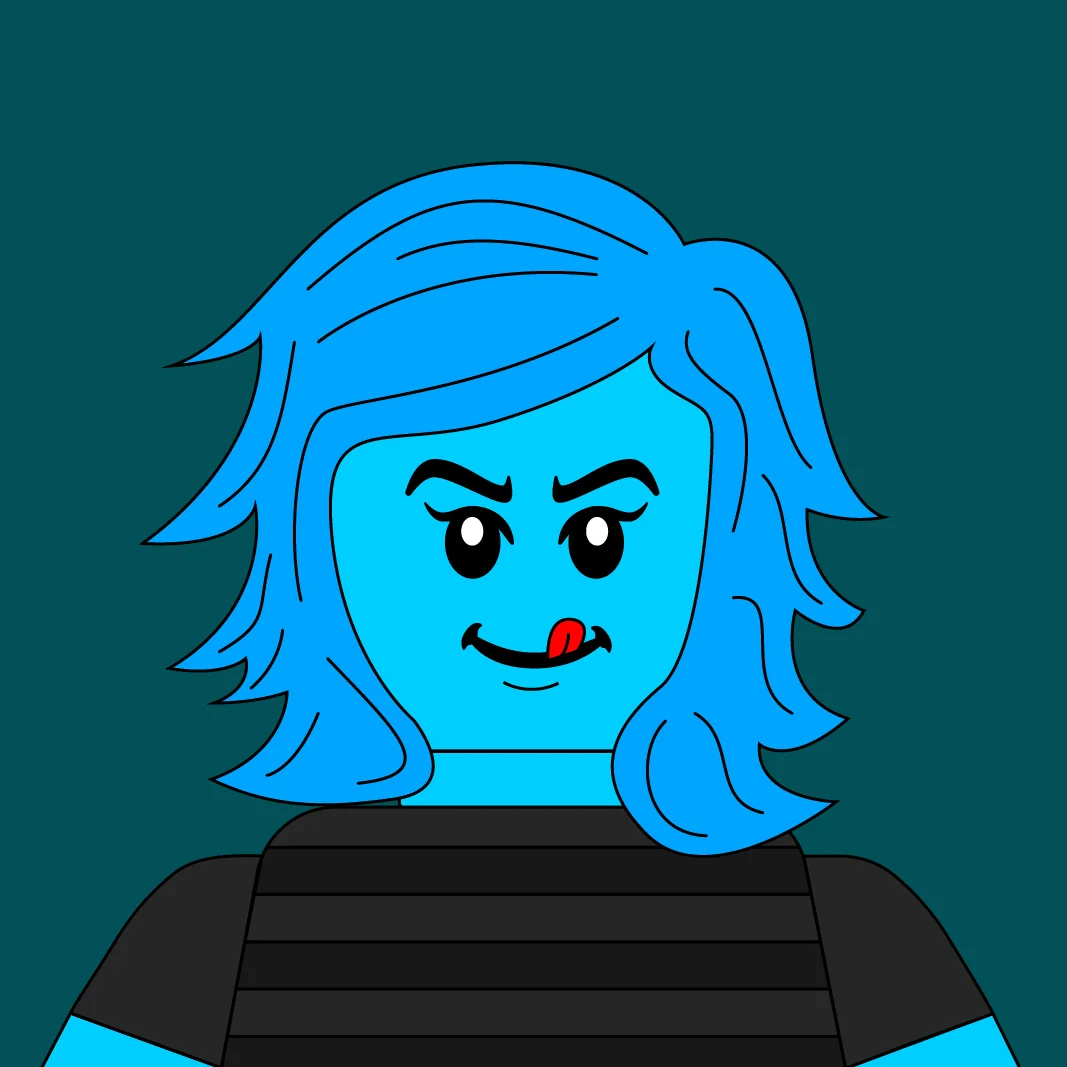
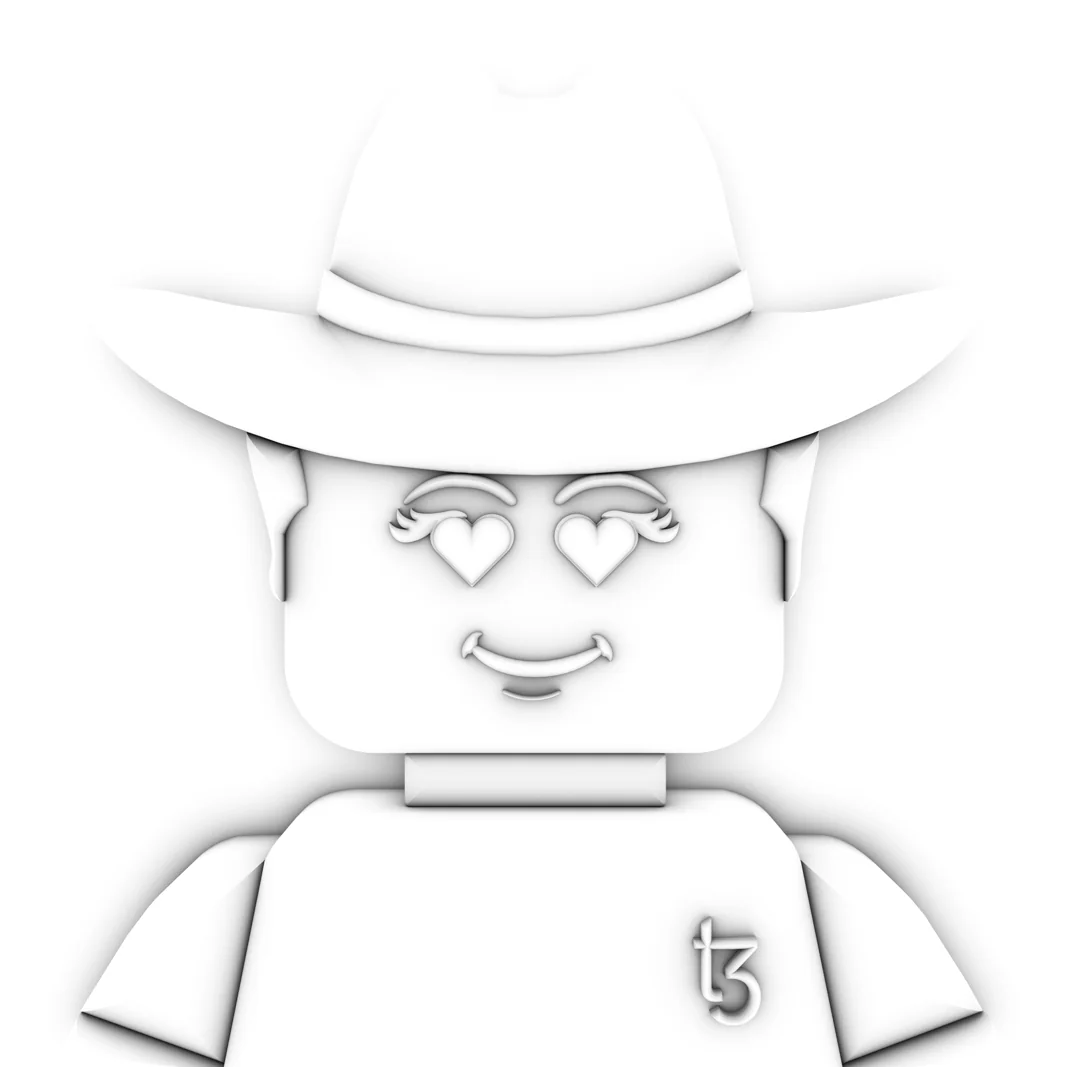
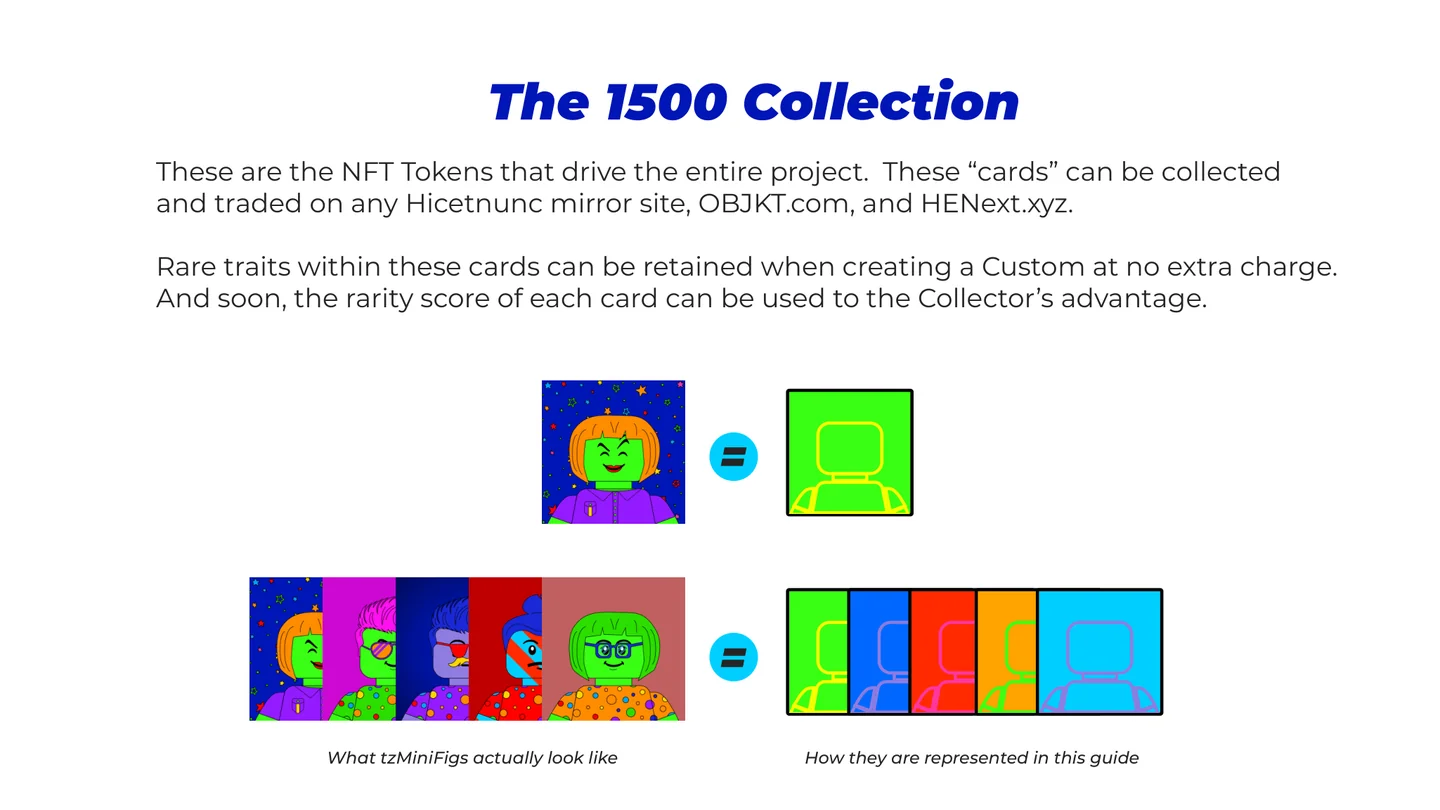
The original collection drew from 564 possible traits across ten categories: background color, background texture, face color, shirt, mouth, facial hair, eyes, eyebrows, glasses, and hair or headwear.
Some changes were small: an eyebrow, a pair of glasses, a different expression. Others completely changed the character. Putting them together was half the fun. I wanted the figures to feel expressive and a little ridiculous, with enough variety that people could find favorites of their own.
Those same pieces would later become the ingredients in the Custom Shop, where collectors could choose the features they wanted.
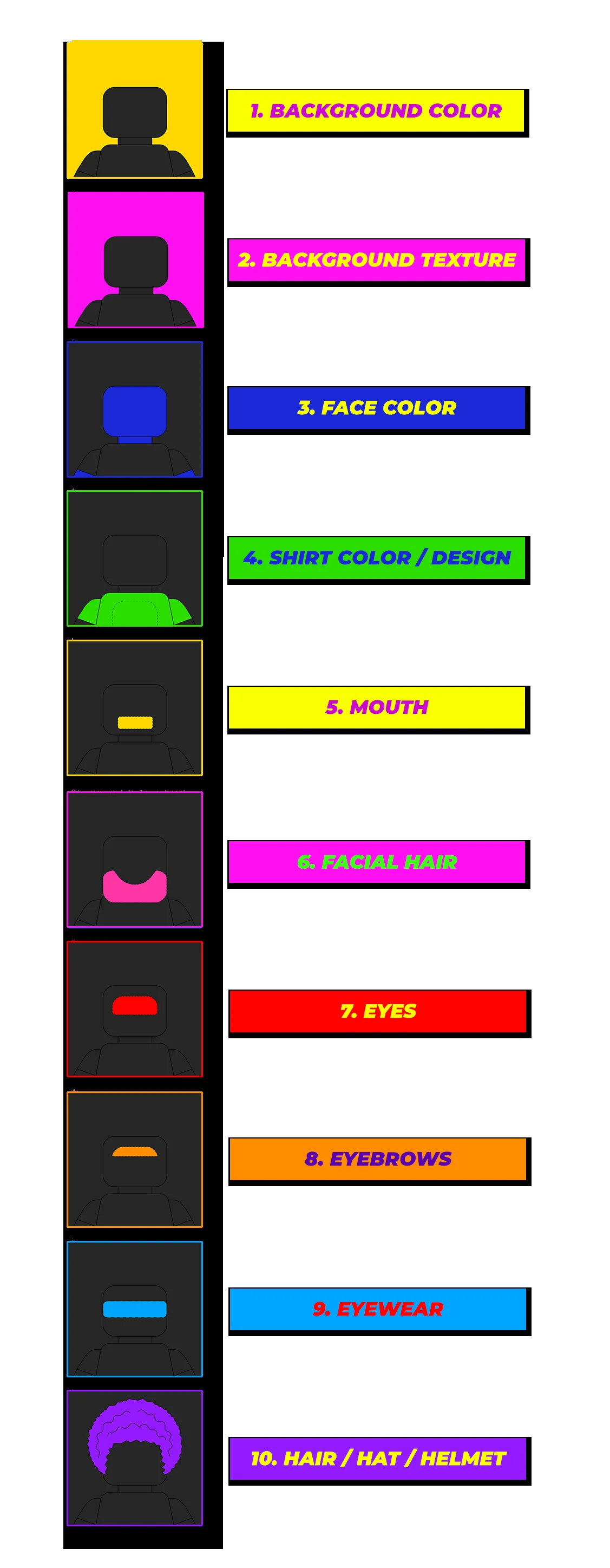
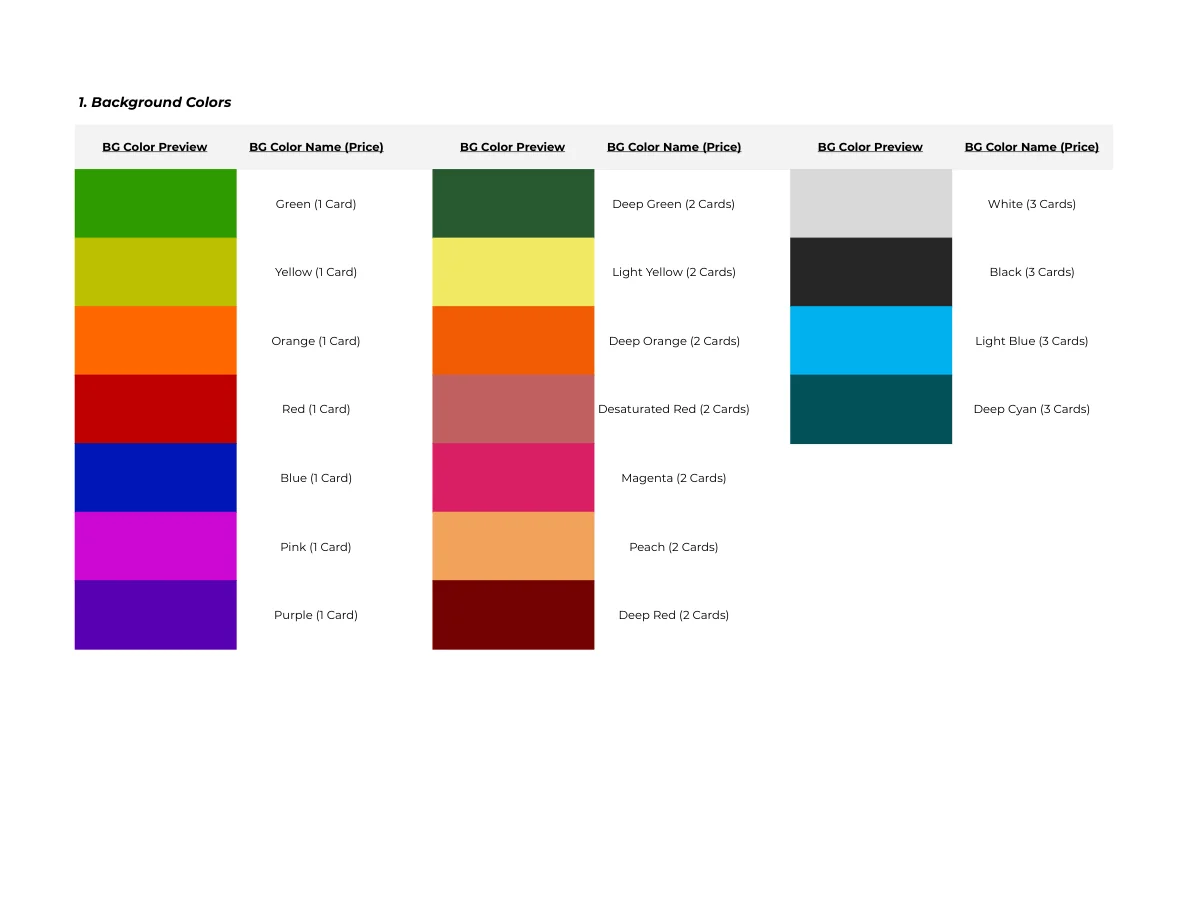
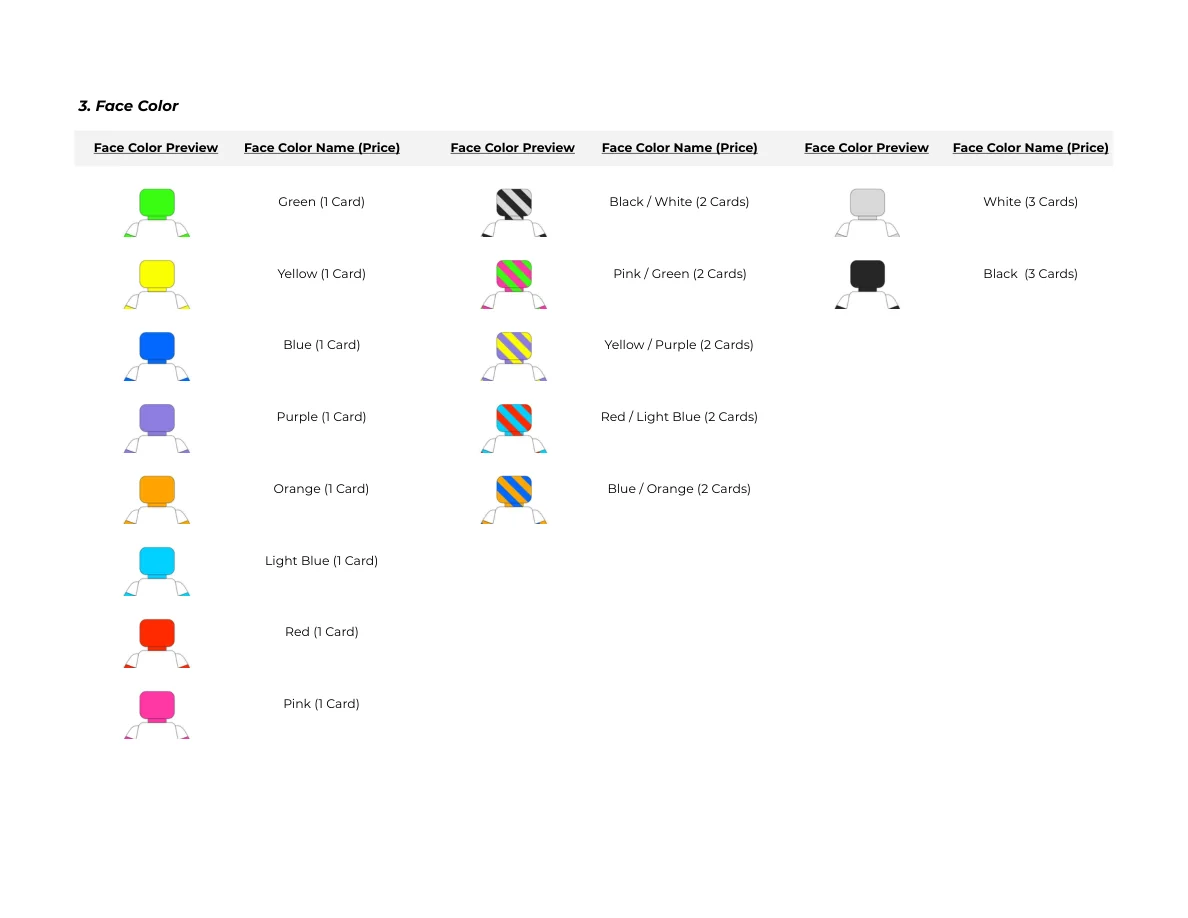
A generative project built in After Effects
I wasn't a programmer when I made tzMiniFigs. I knew After Effects, though, so I worked out how to build the generator with the tools I already understood.
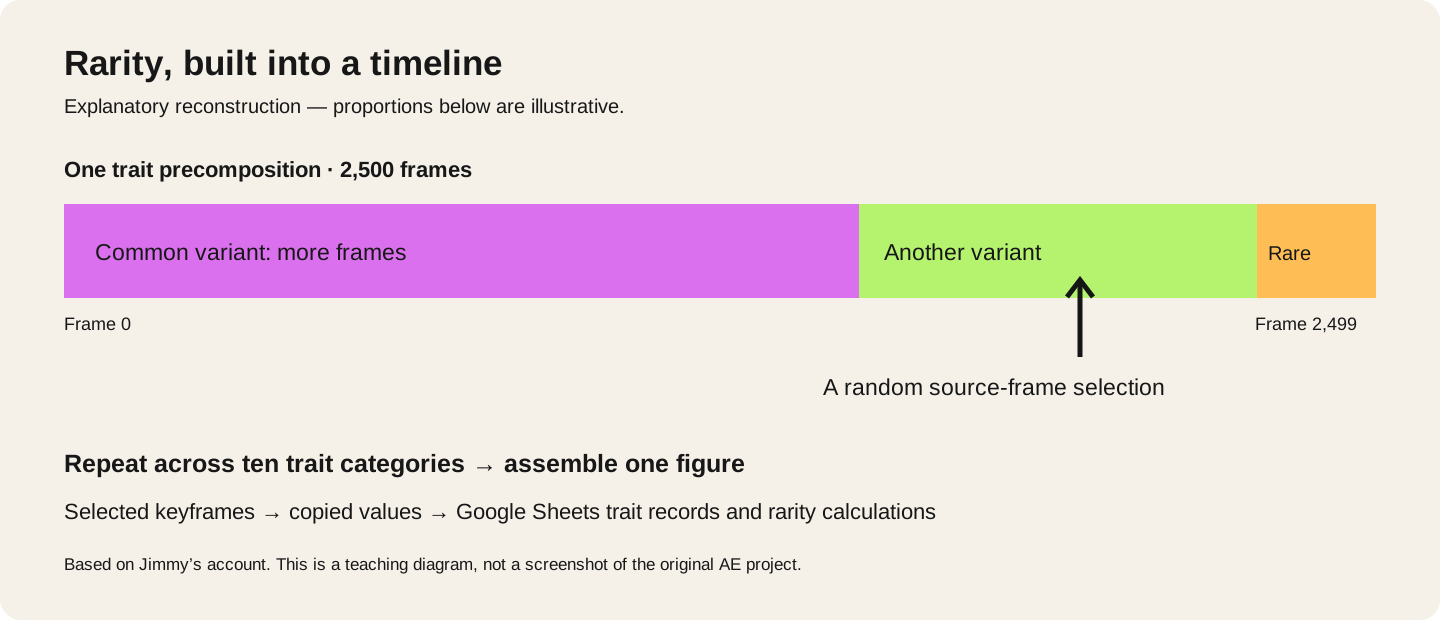
Each trait had its own precomposition, with different designs distributed across a 2,500-frame timeline. Common traits occupied more frames. Rare traits occupied fewer. A random expression selected a source frame from each category, and those selections combined into an individual figure.
The master composition had twelve layers: ten trait categories, plus the face and body lines that held everything together. Once the system was set up, I could export the generated artwork with a single click.
From keyframes to collection records
The artwork also needed a reliable record of what was in it. I added keyframes to the generated selections, copied the keyframe data out of After Effects, and brought it into Google Sheets.
There, I organized the figures and their traits, calculated rarity, prepared descriptions and publishing information, and tracked corrections. If an image changed, its record needed to change with it.
The generative export was one part of the process. Publishing was still hands-on: I checked each item before uploading and minted the NFTs individually on Hicetnunc.
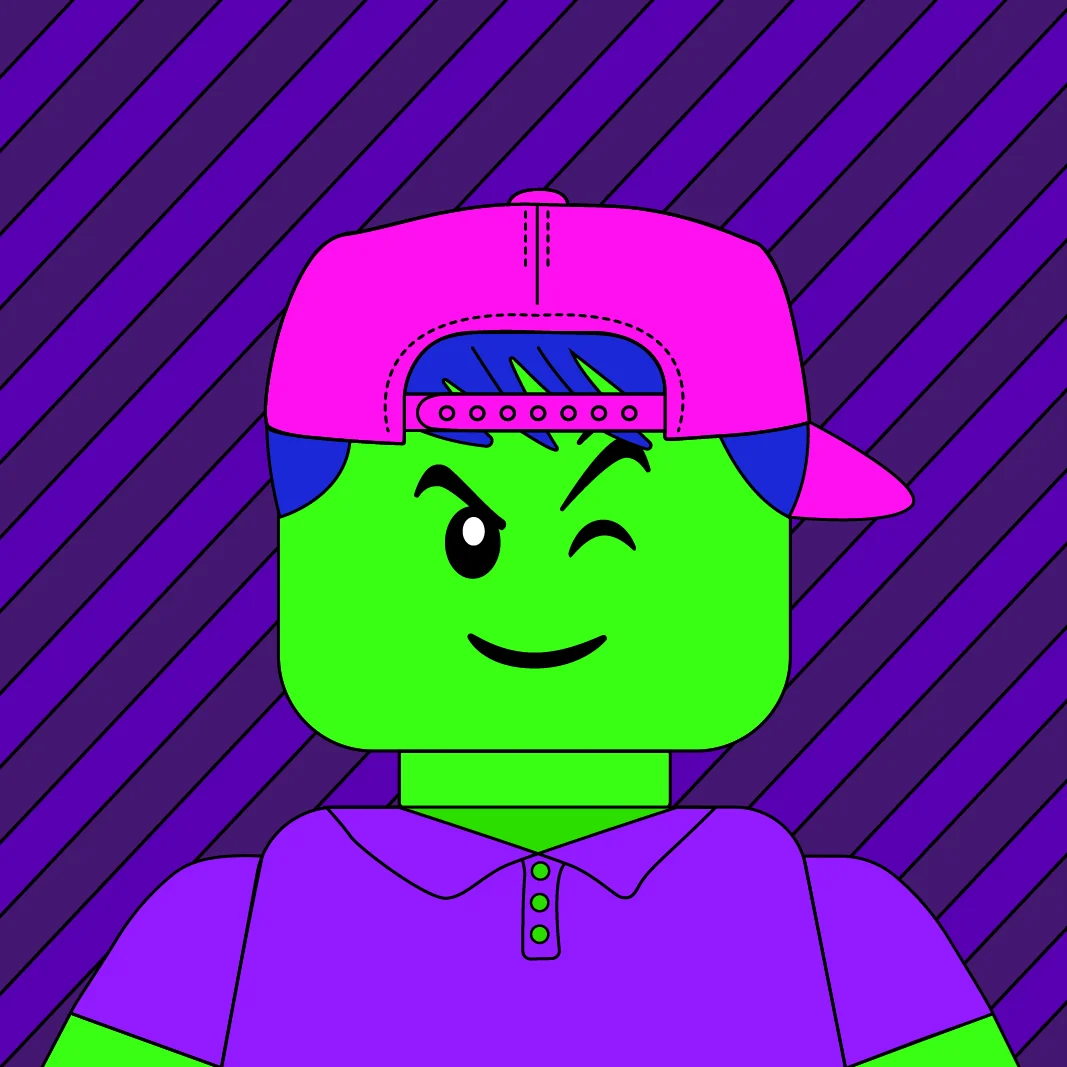
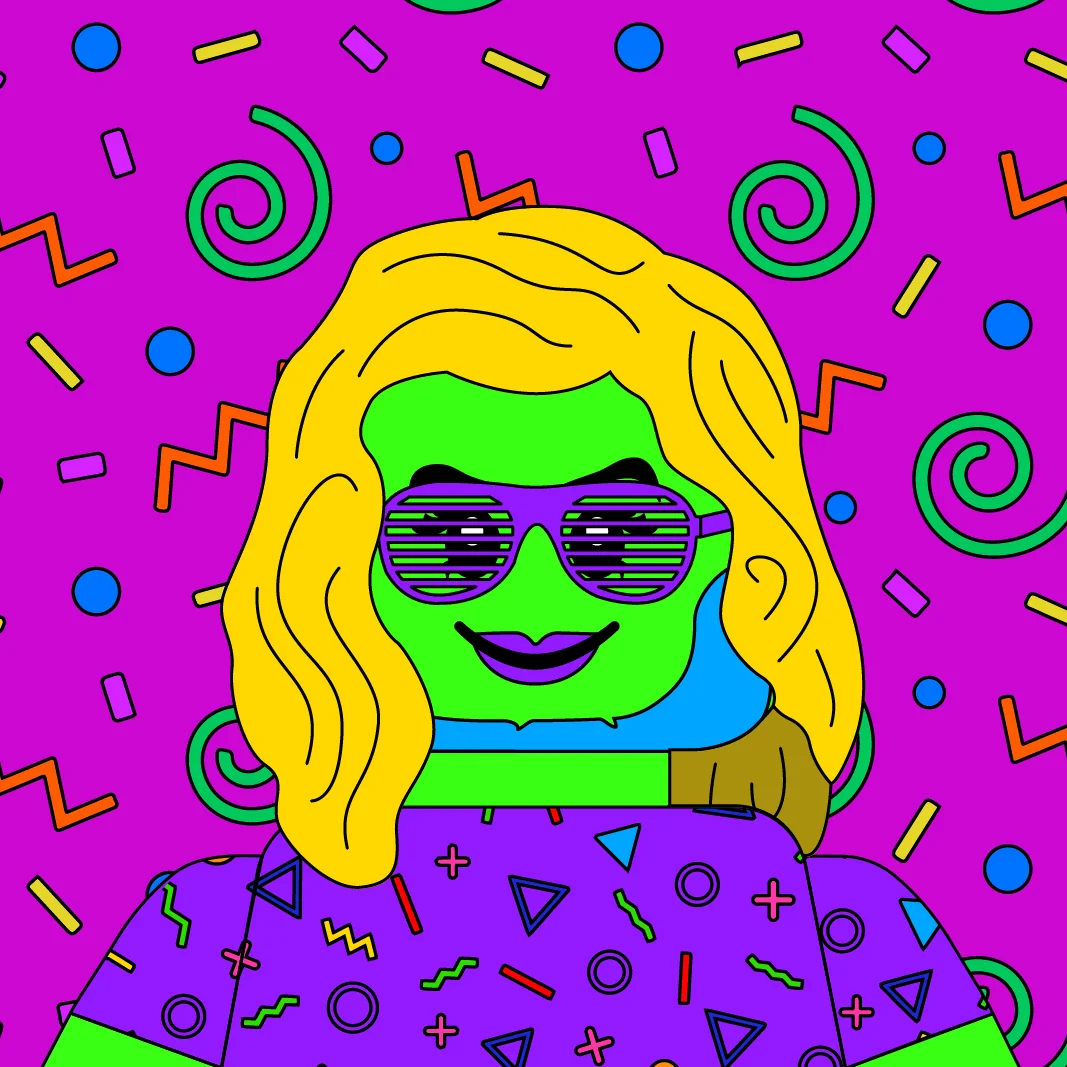
tzMiniFig #0001
- Background Color
- Purple
- Background Texture
- Grey Stripe
- Face Color
- Green
- Shirt
- Polo (Purple/Green)
- Mouth
- Smile 1
- Facial Hair
- None
- Eyes
- Wink
- Eyebrows
- WTF?
- Glasses
- None
- Head
- Backwards Hat (Pink/Blue)
A trait record for tzMiniFig #0001, reformatted from the original metadata.
The collection
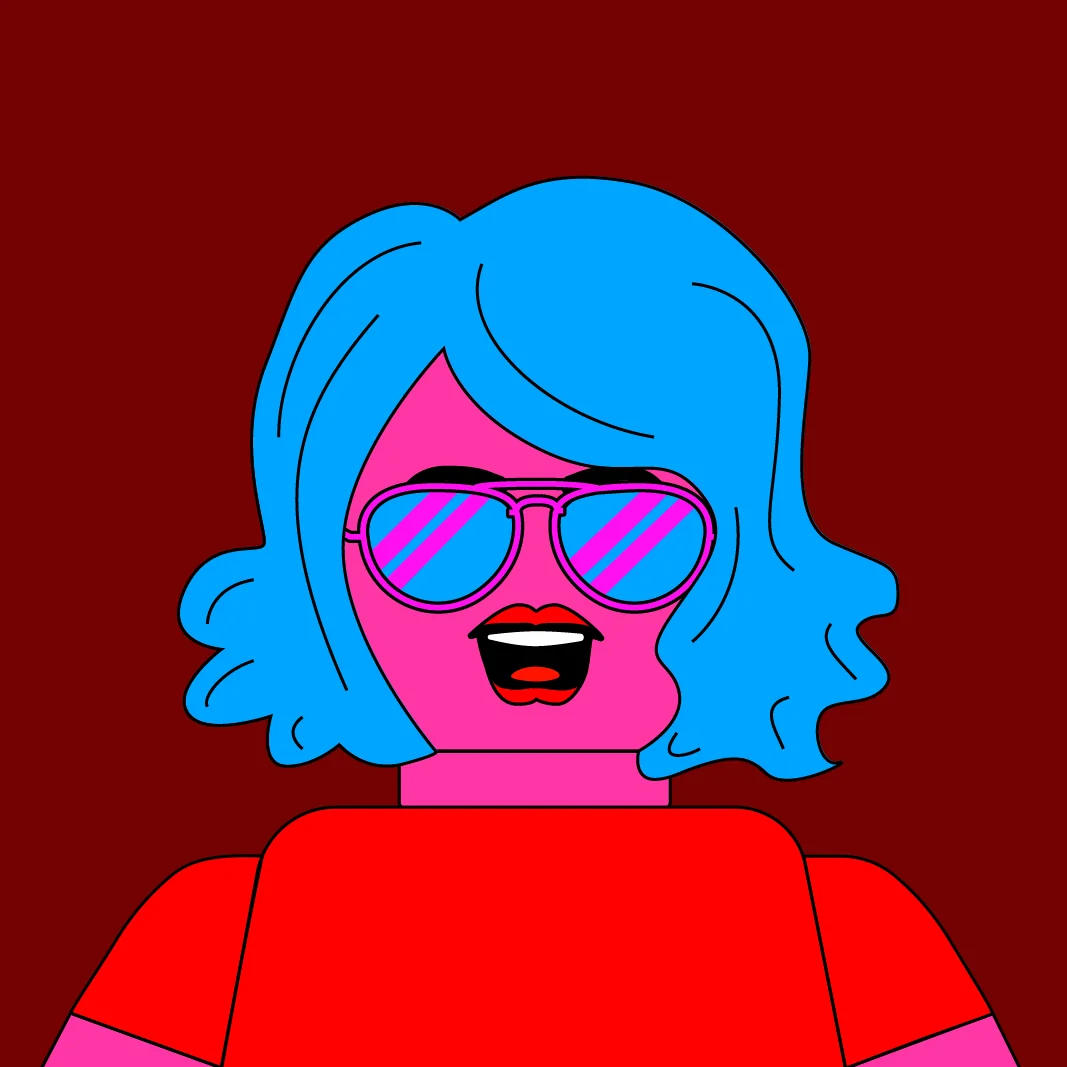
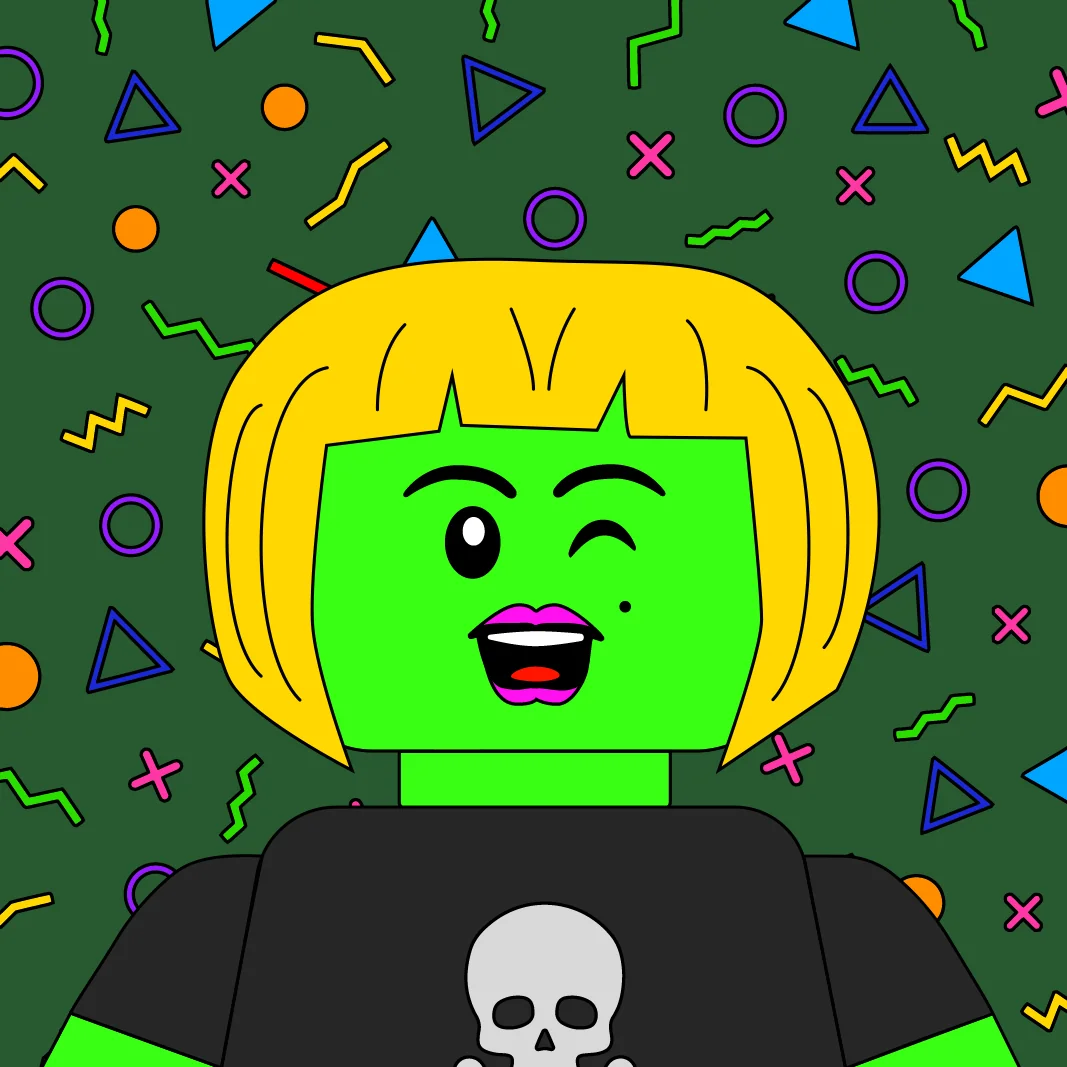
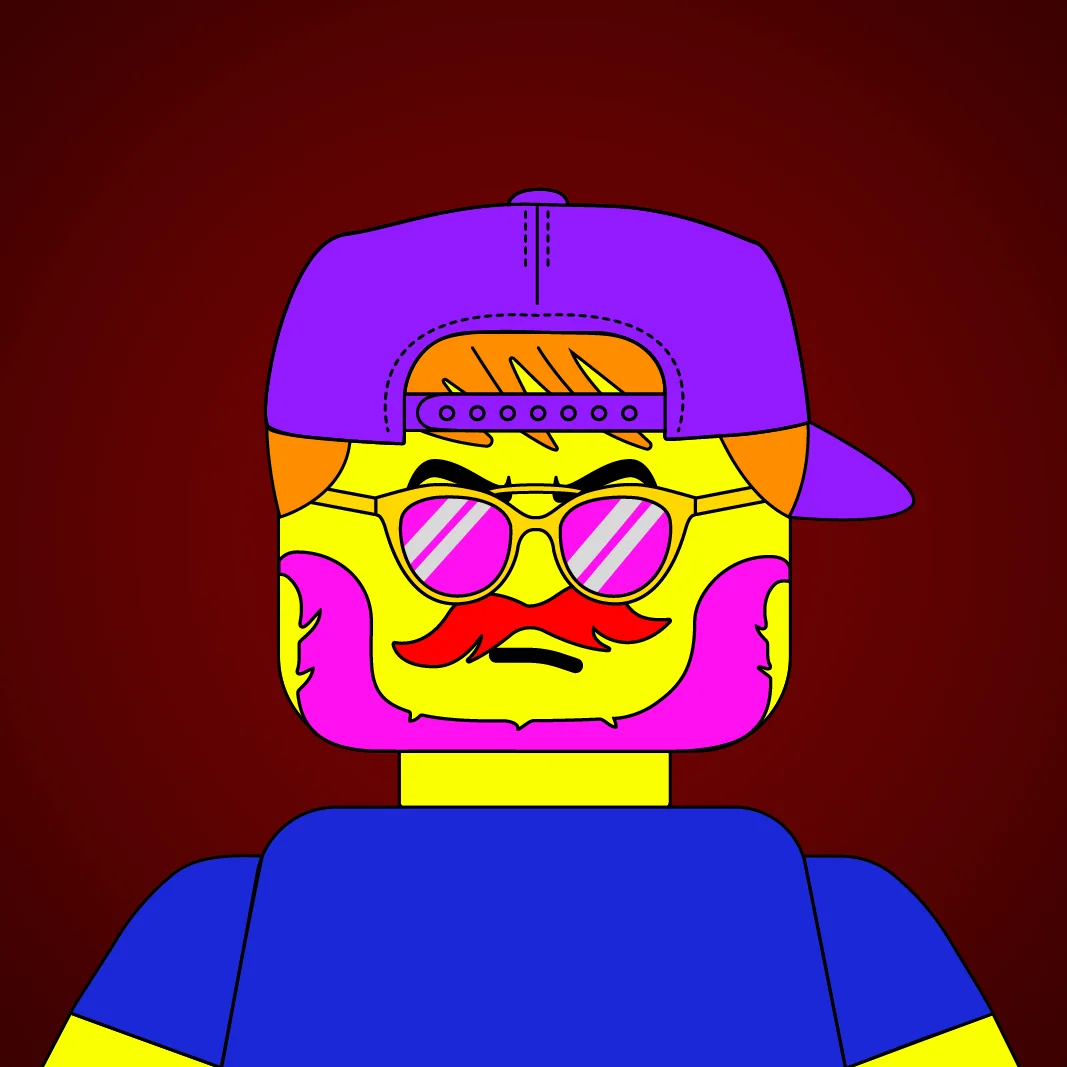
I originally generated 2,500 figures. After listening to collectors and holding a community vote, I reduced the published collection to 1,500. I recalculated the rarity indexes based on what had been minted.
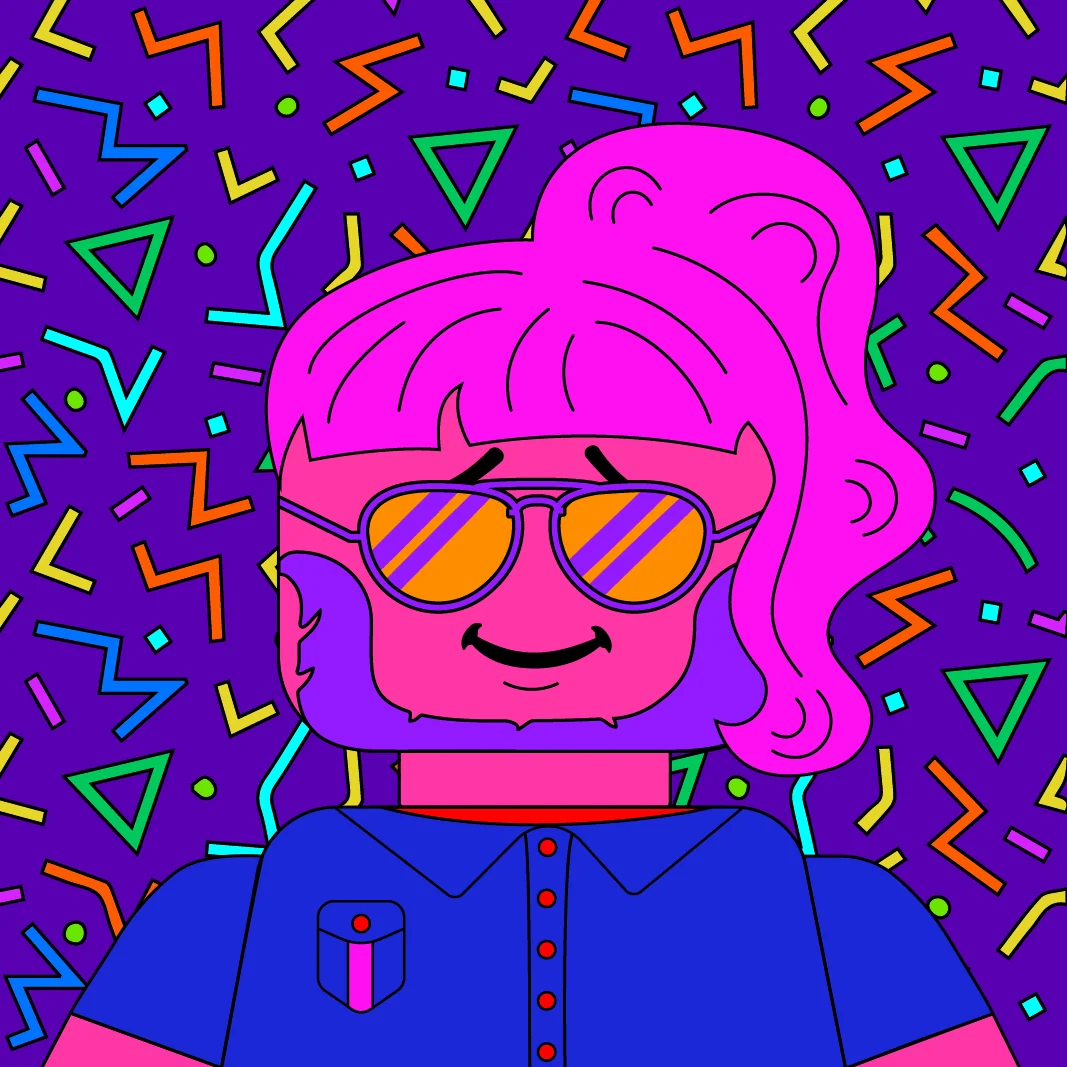
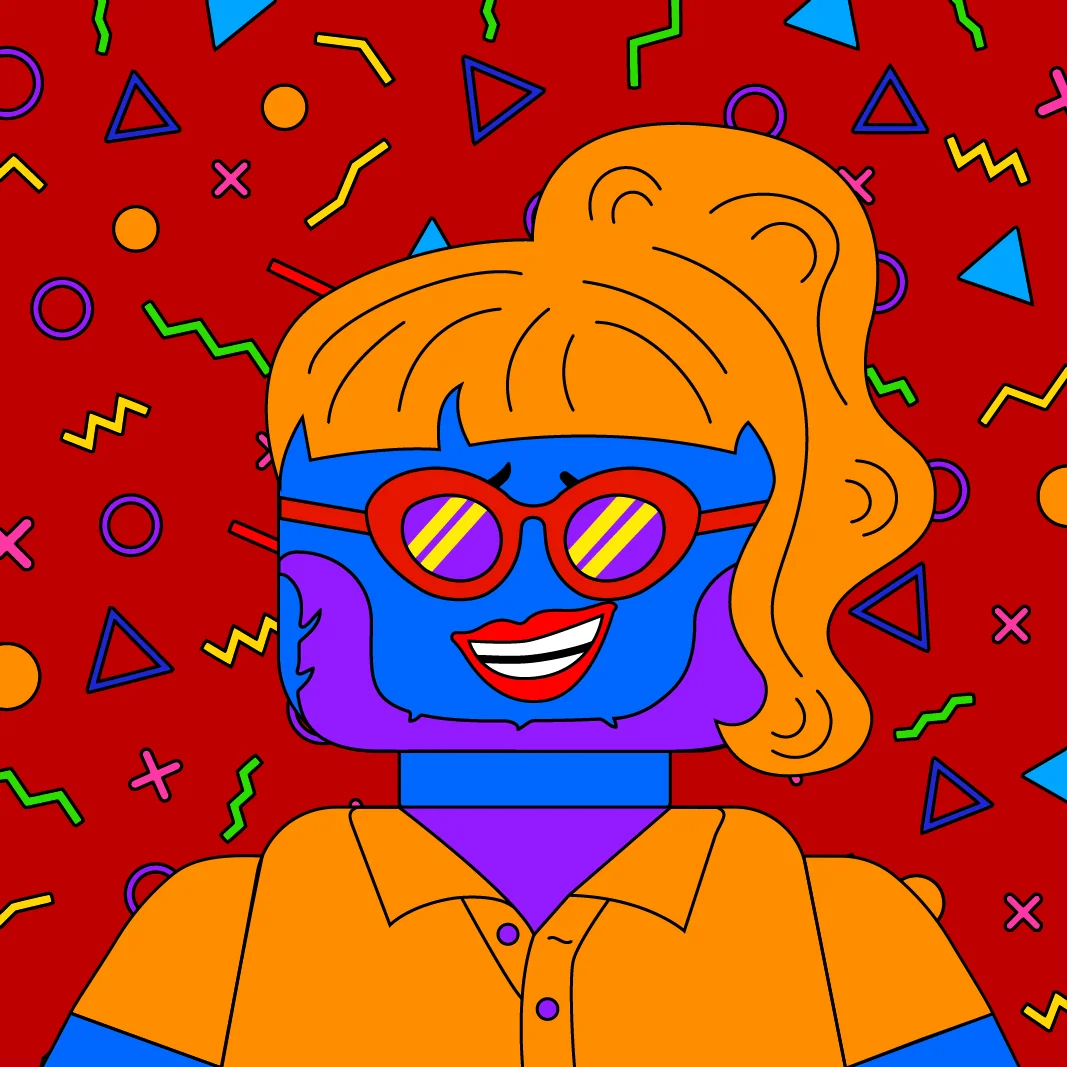
Finding an unusual combination was part of the appeal, but I also wanted the common characters to be fun to own. As the project developed, a figure could become a favorite portrait, an ingredient for a Custom, or part of a collector's next trade.
The collectors helped shape it
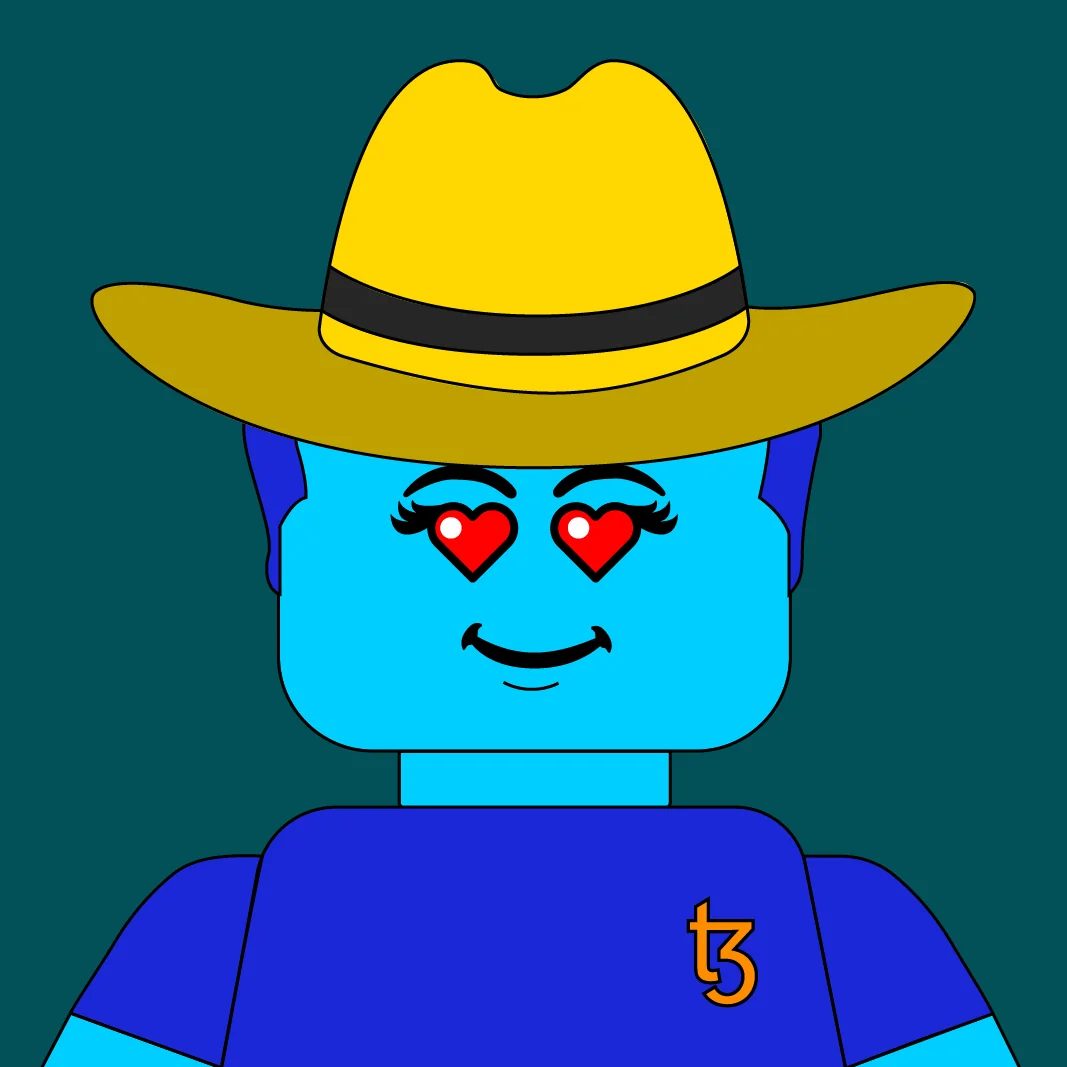
I did the artwork and ran the project myself, but the collectors helped make the big decisions. We used community votes in Discord to figure out how the collection should develop.
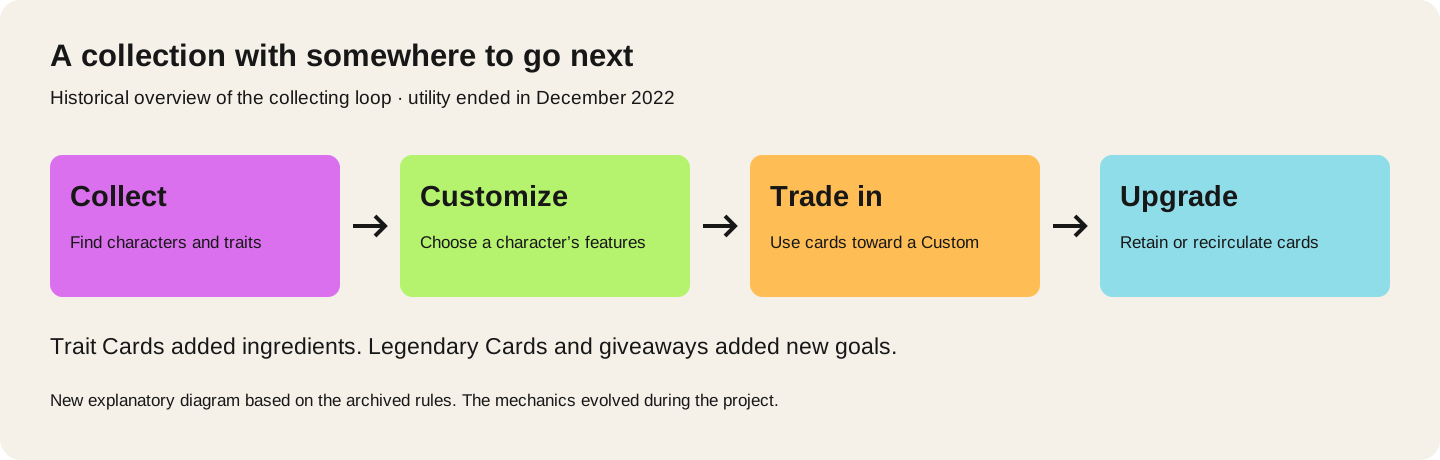
Making the collection smaller was one of those decisions. Another was “right of first refusal”: collectors wanted the option to keep a card after trading it in, so that became part of the system. They could use a card toward a Custom and then buy back its upgraded version.
Listening to that feedback helped me keep the project moving in a direction the collectors actually wanted.
The Custom Shop
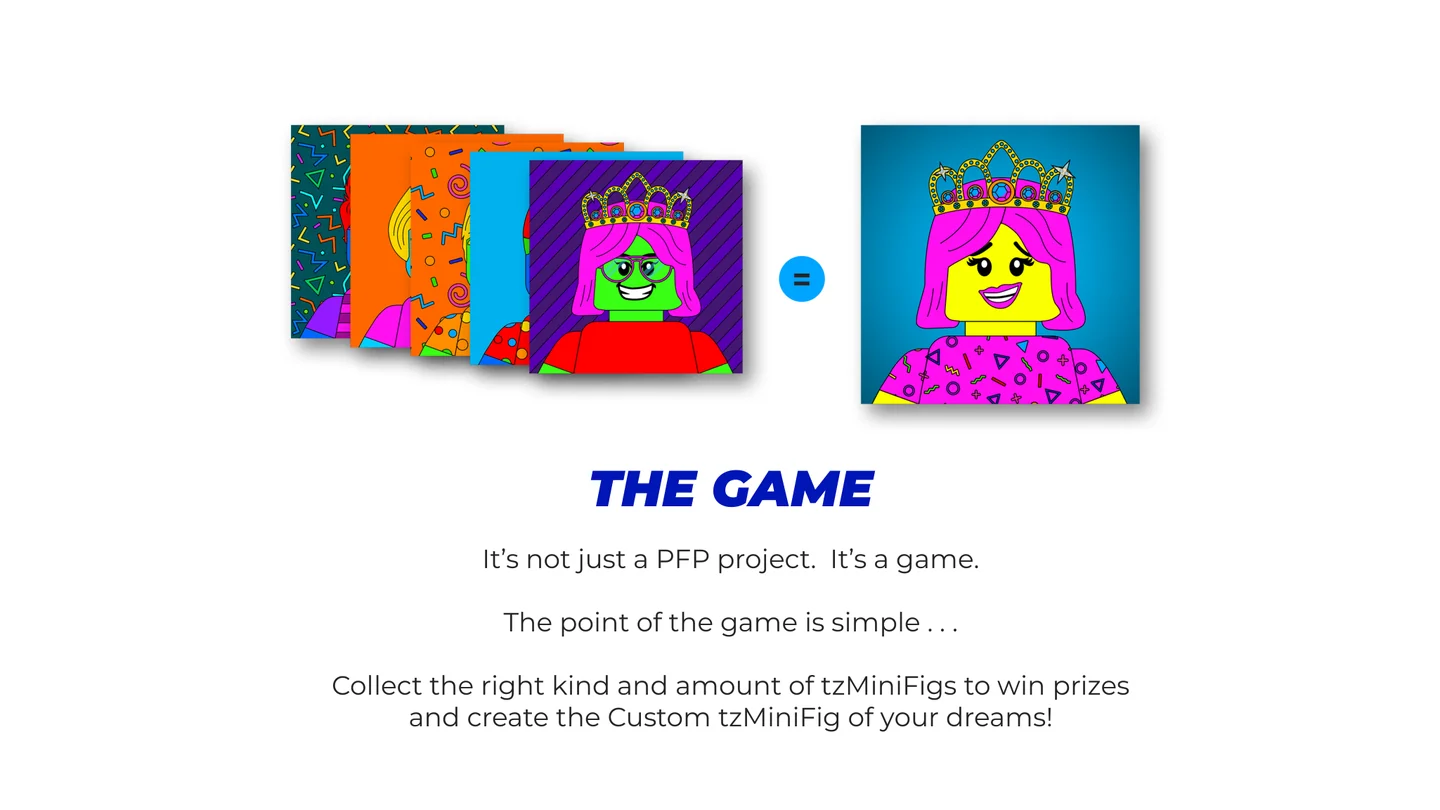
The Custom Shop gave collectors something to work toward. Starting with five ordinary tzMiniFigs, they could trade cards in for a Custom and choose its features. More expensive traits required more cards, while any features they didn't choose were generated by the system.
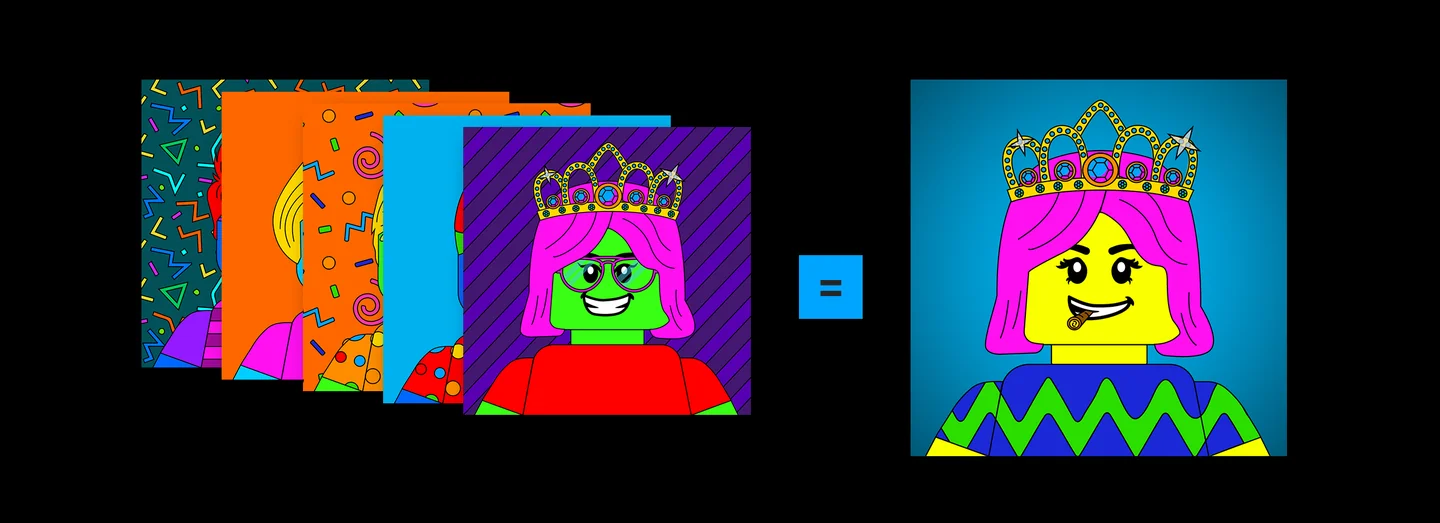
Collectors could also keep traits from the cards they traded in. If a card had the crown, hair, or expression they wanted, that feature could carry into the Custom. Collecting became a way of assembling the ingredients for a character that felt like theirs.
Orders came through a Google Form, and I made and delivered the finished Customs. The surviving register includes 22 numbered Custom designs, with additional Special and upgraded versions.
Trait Cards
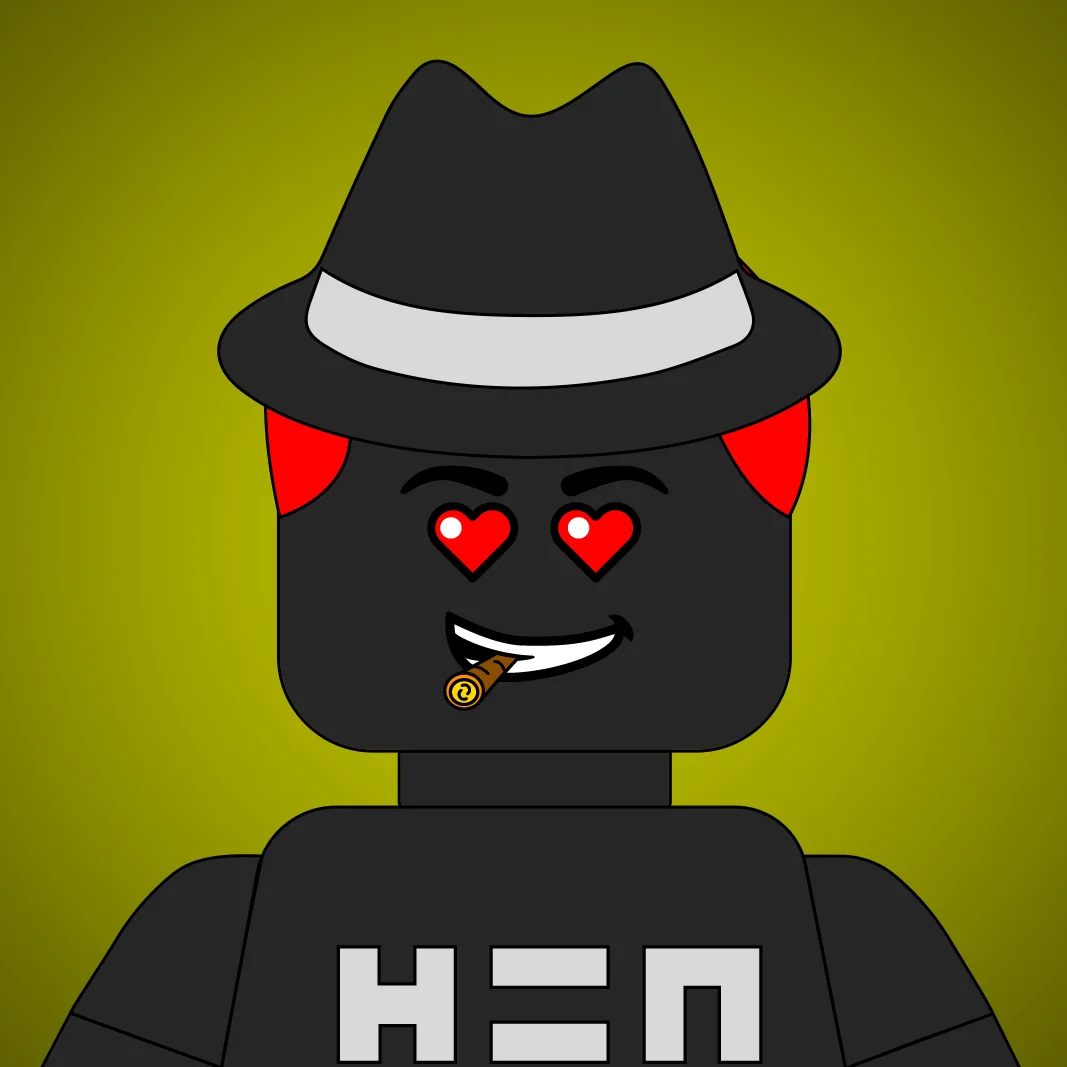
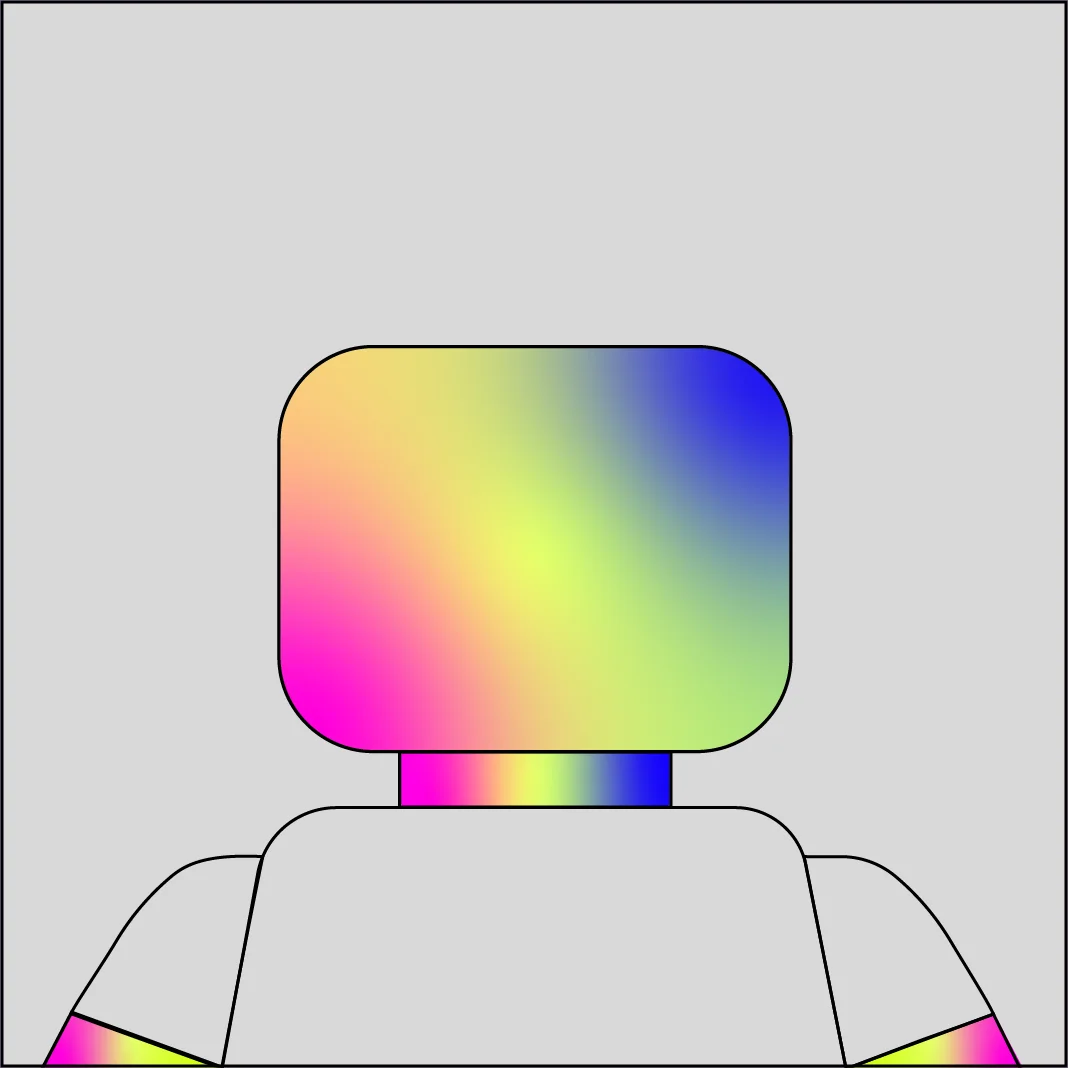
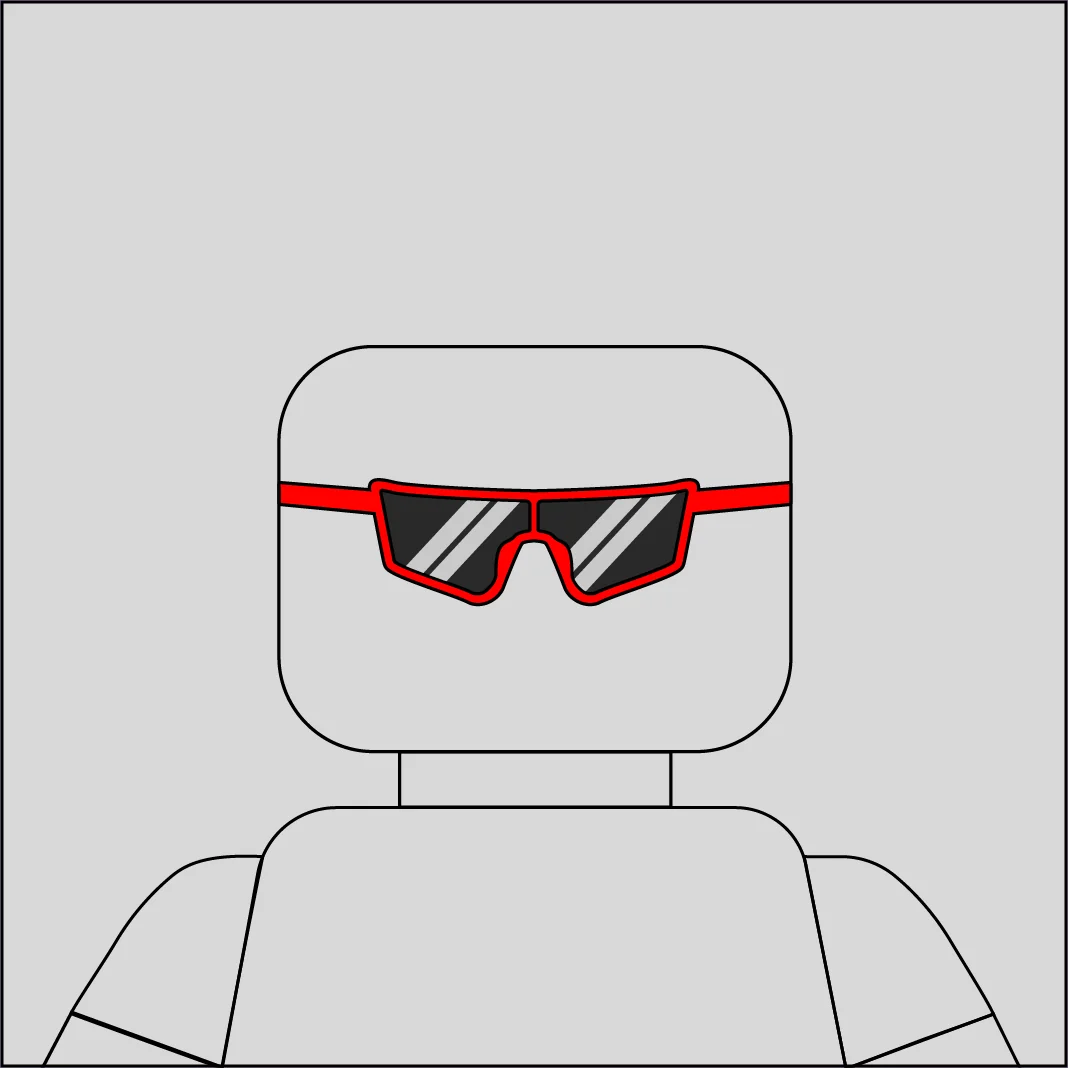
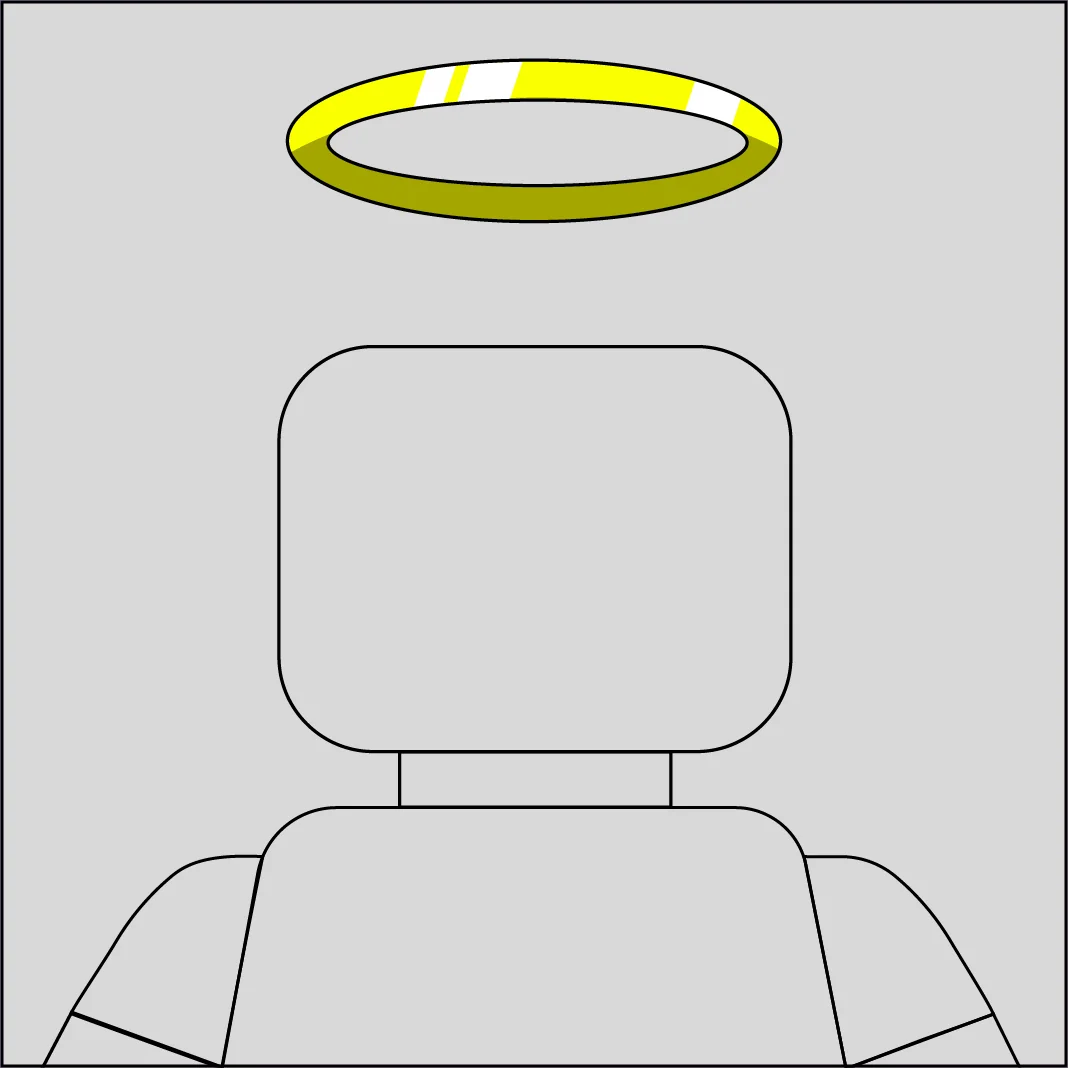
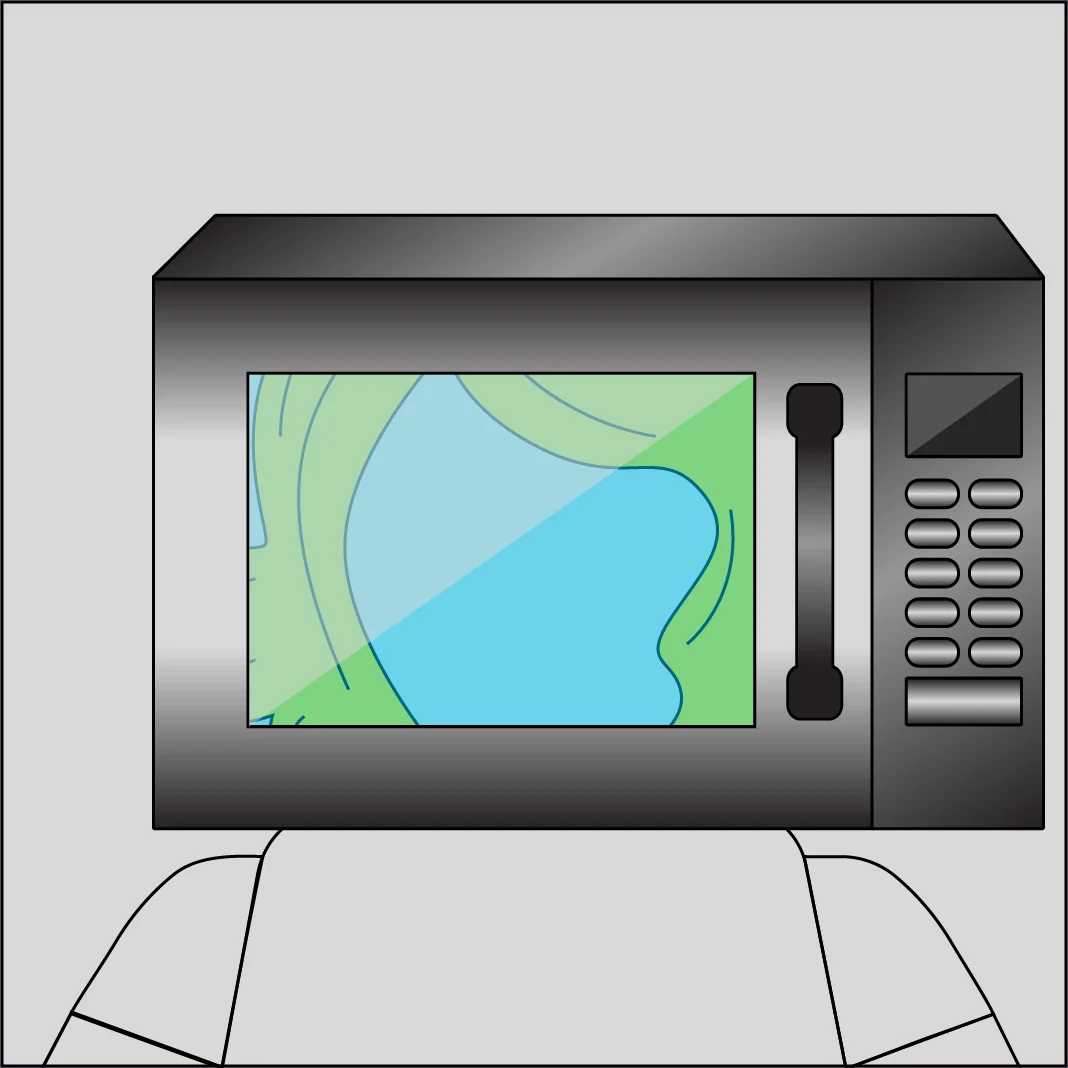
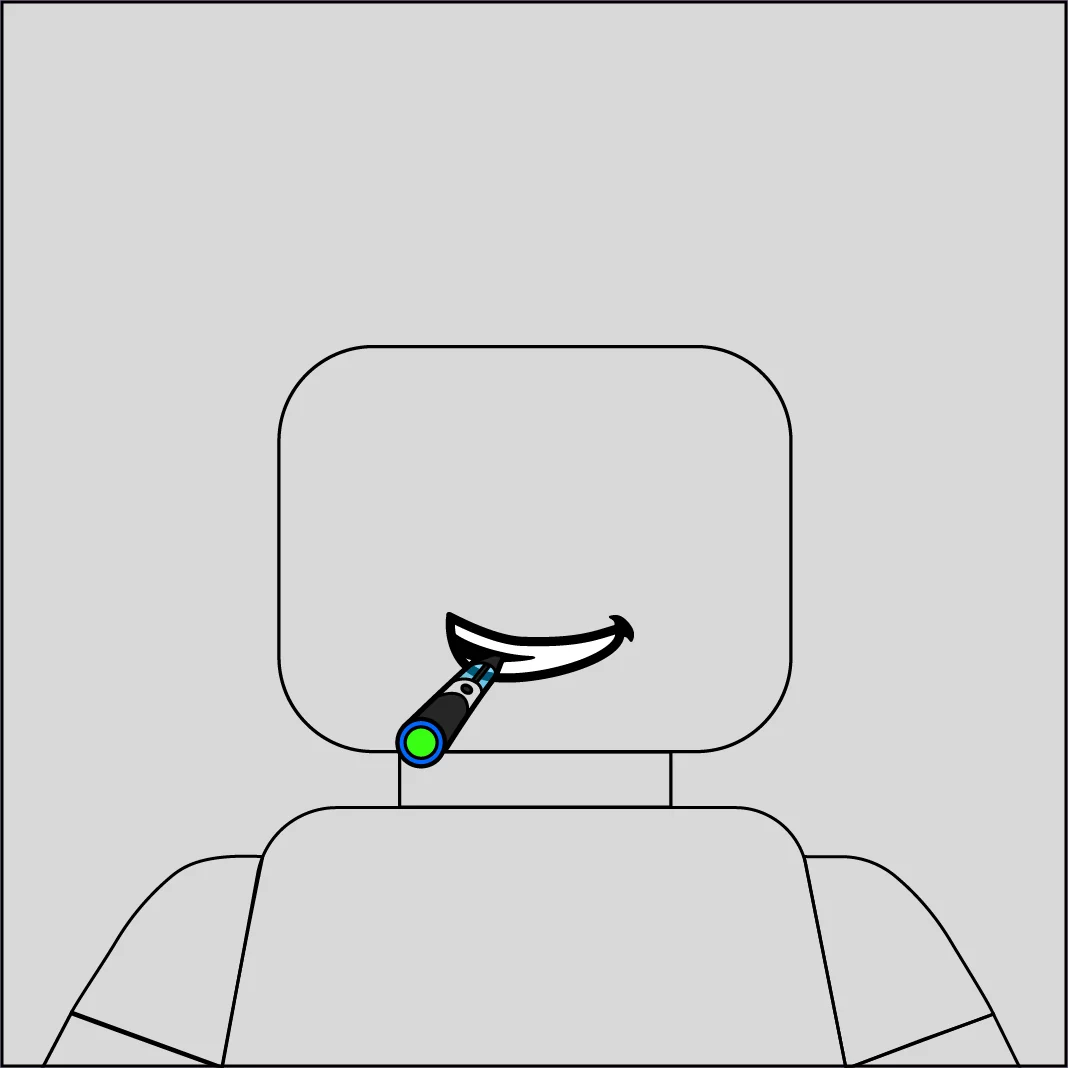
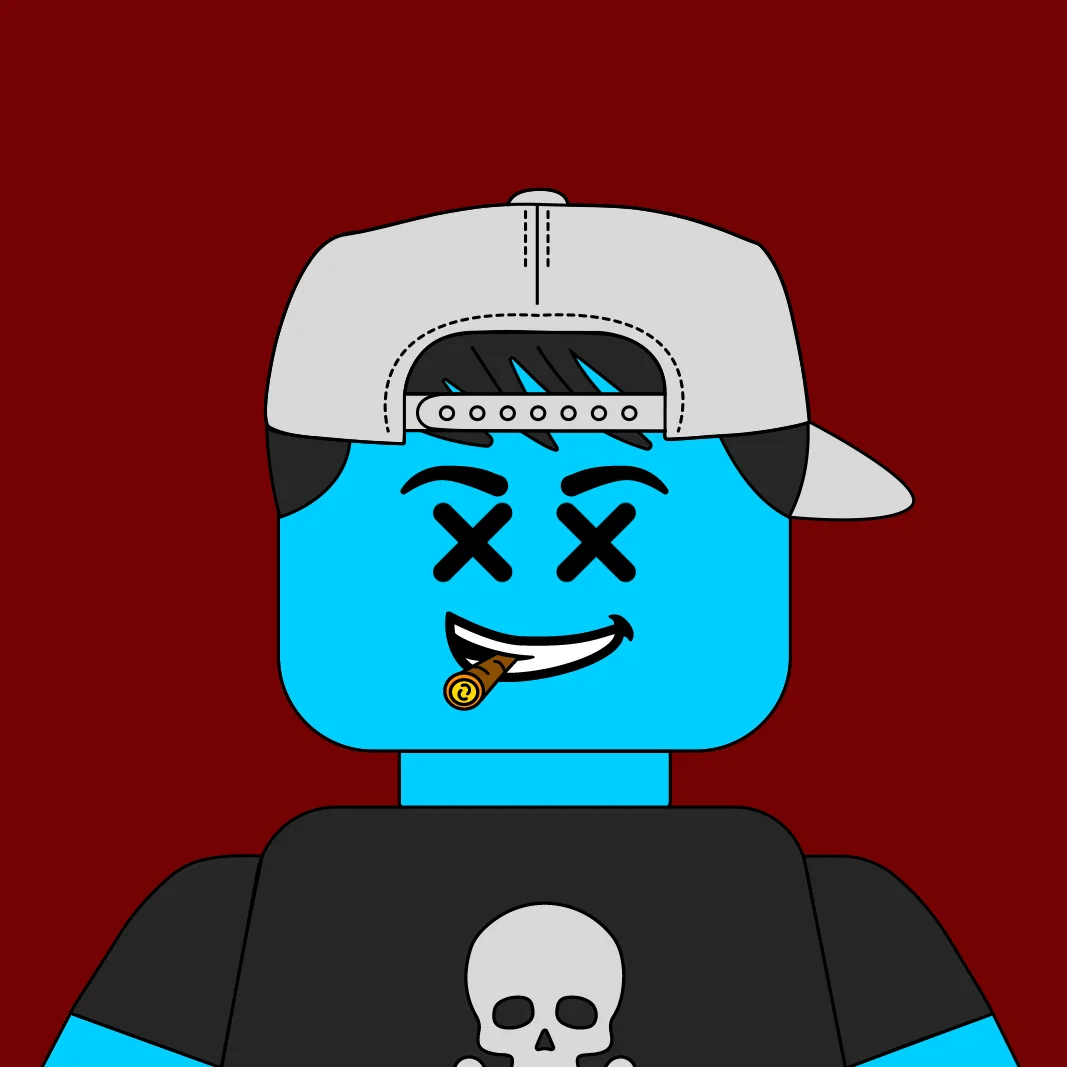
Trait Cards added another layer. These were collectible cards representing special features: new eyewear, unusual faces, custom headwear, and effects that could transform the entire character.
Each had a standard trade-in price and a “Fun Price” built around particular combinations of existing traits. Instead of collecting just any cards, you might go looking for a specific pair of colors or hats. Even an ordinary figure could become exactly the piece someone needed.
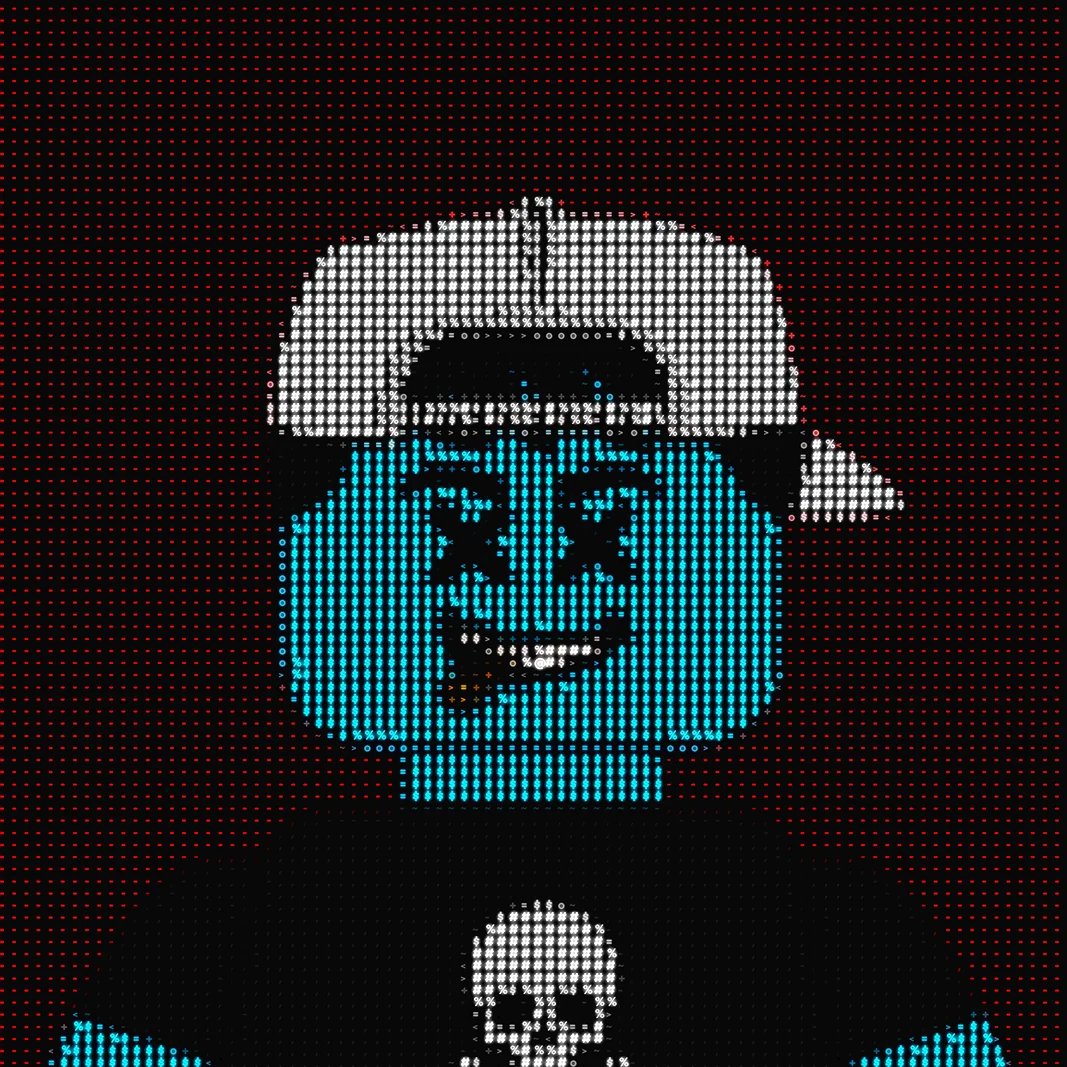
Redeeming a Trait Card retired that card and added its feature to a Custom. Special treatments such as ASCII and D0S-FIG could give the same character a completely different look.
Upgraded cards
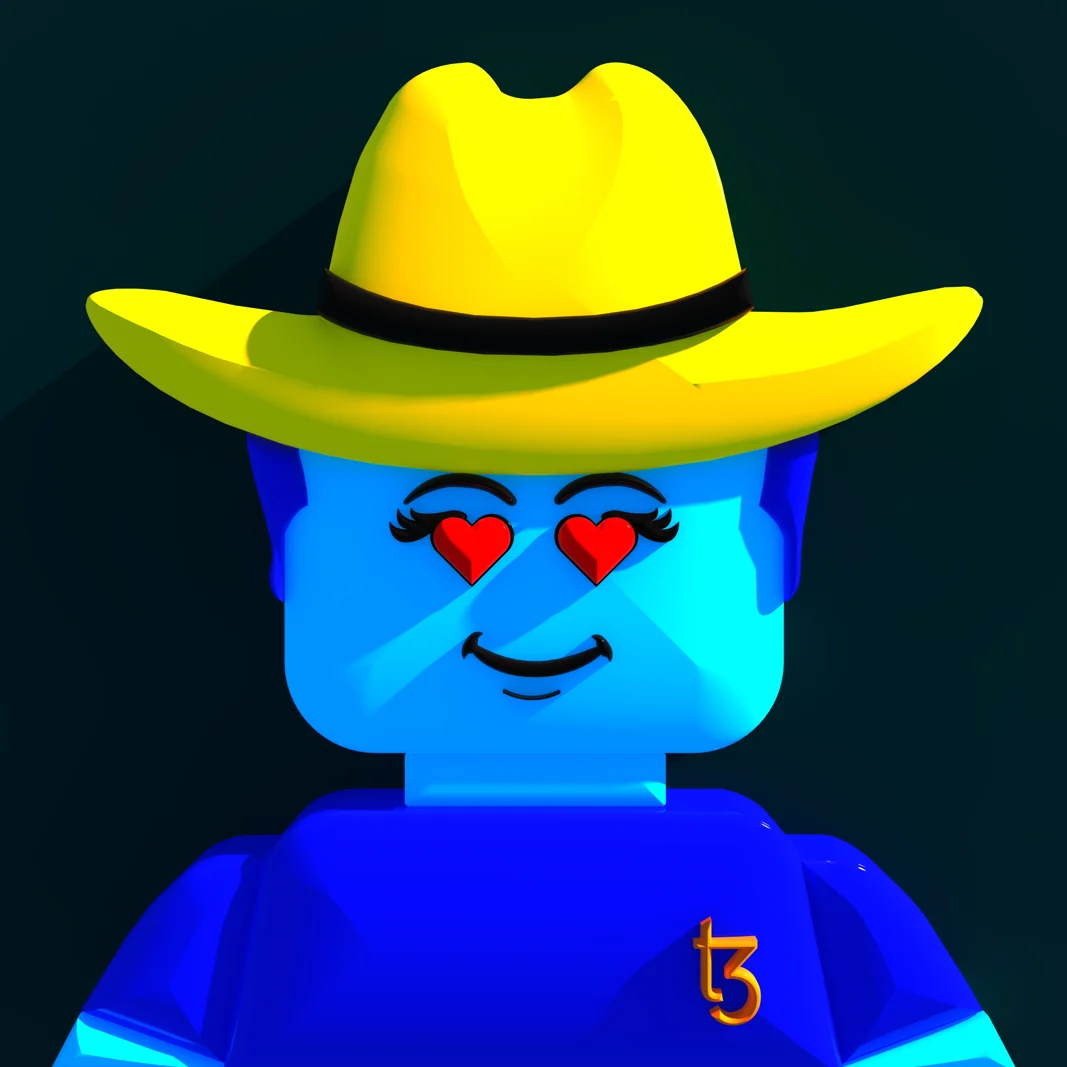
Trading in a figure didn't mean its design had to disappear. The surrendered token could be burned and the artwork issued again at a higher level, with a new border and greater card value for trades and weighted giveaways.
Collectors had the first chance to retain those upgraded cards. Others could return to circulation through sales and giveaways. That connected the Custom Shop back to the rest of the collection and gave familiar characters another life.
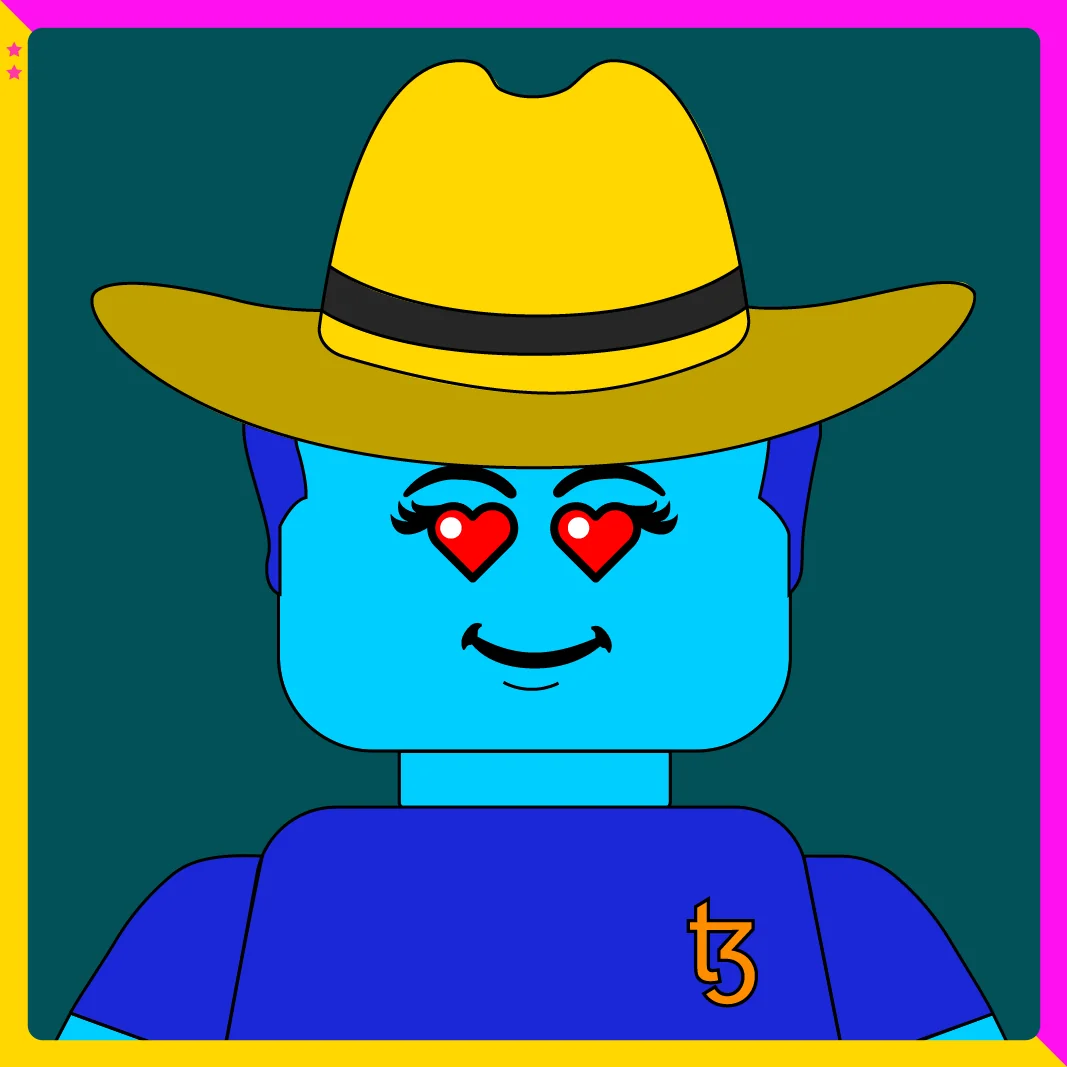
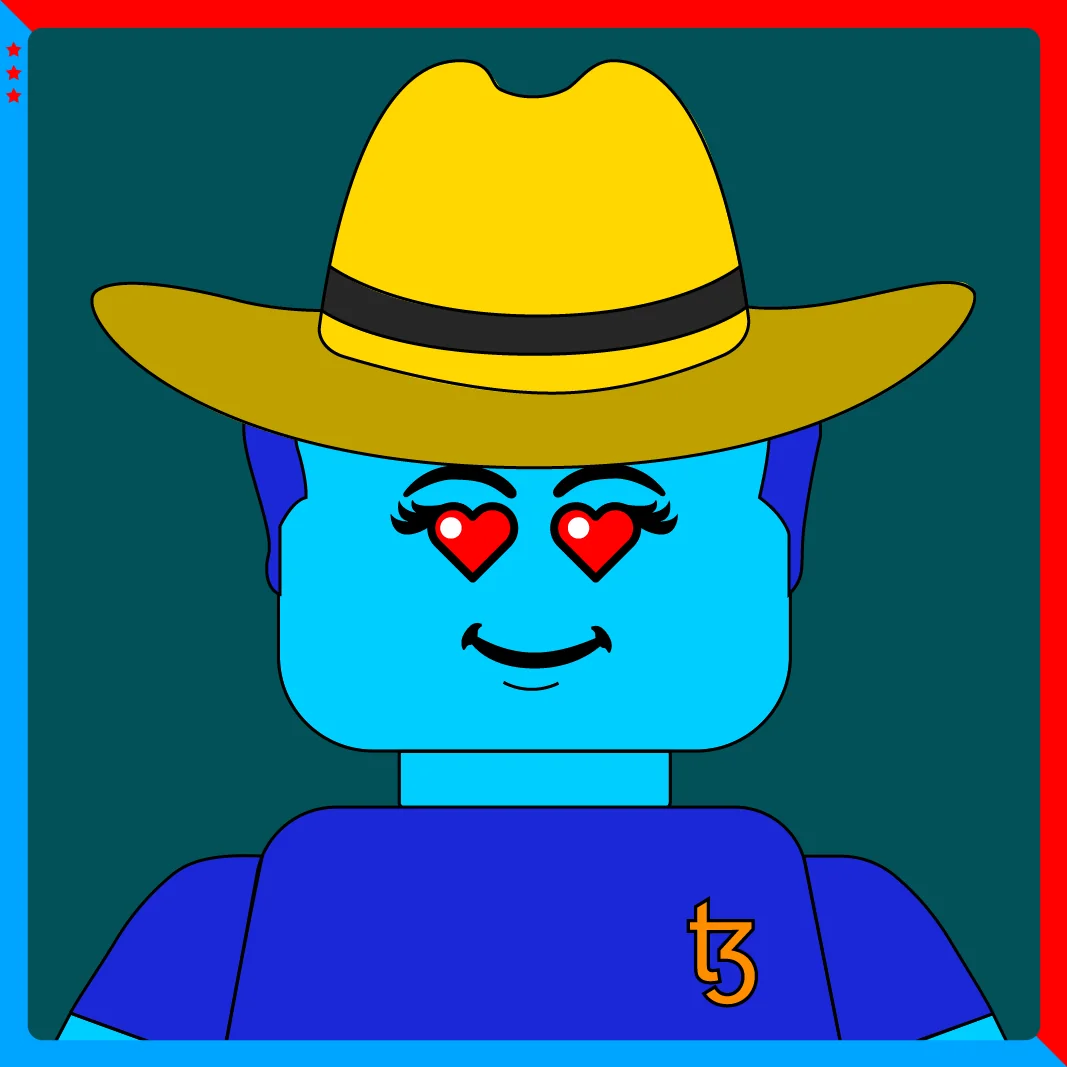
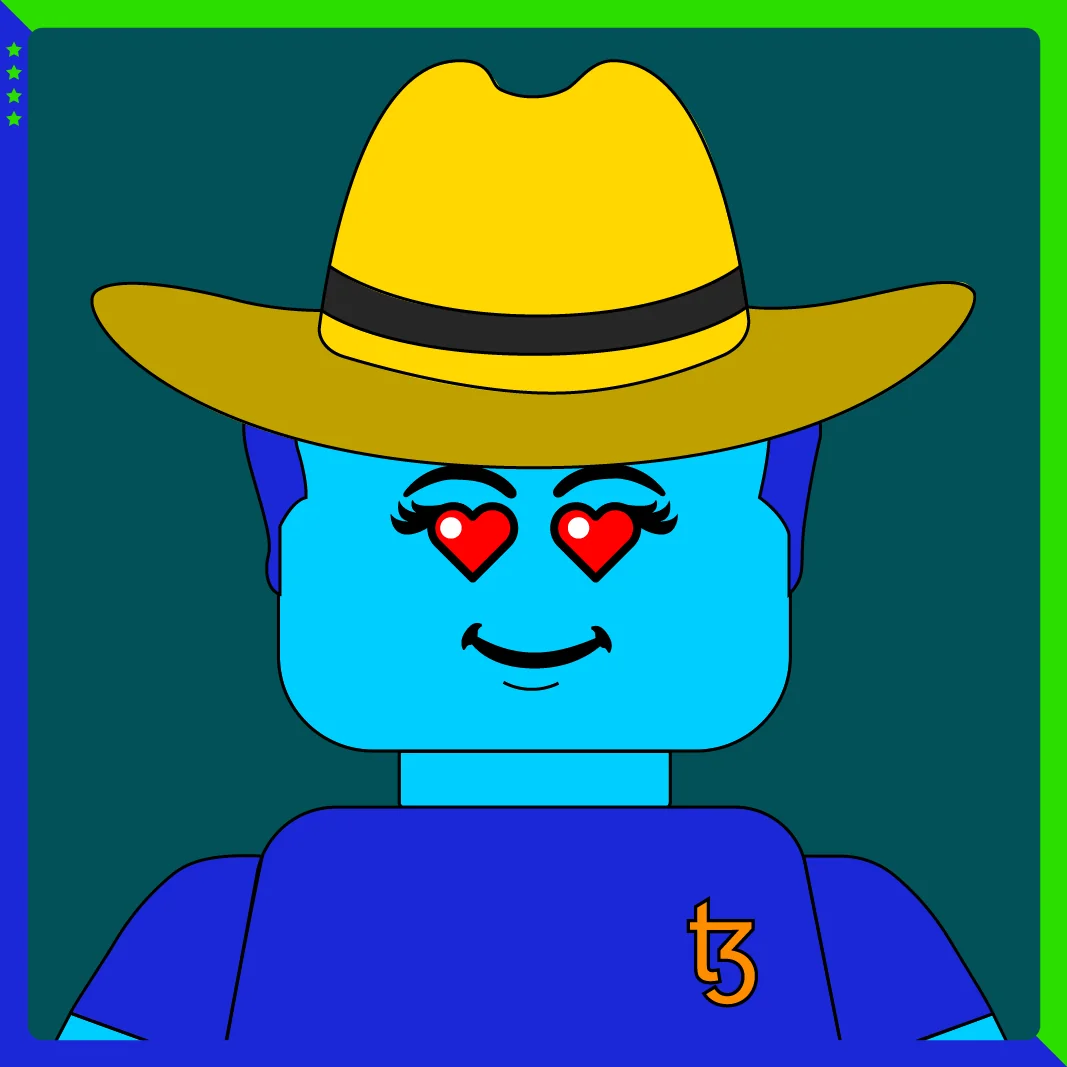
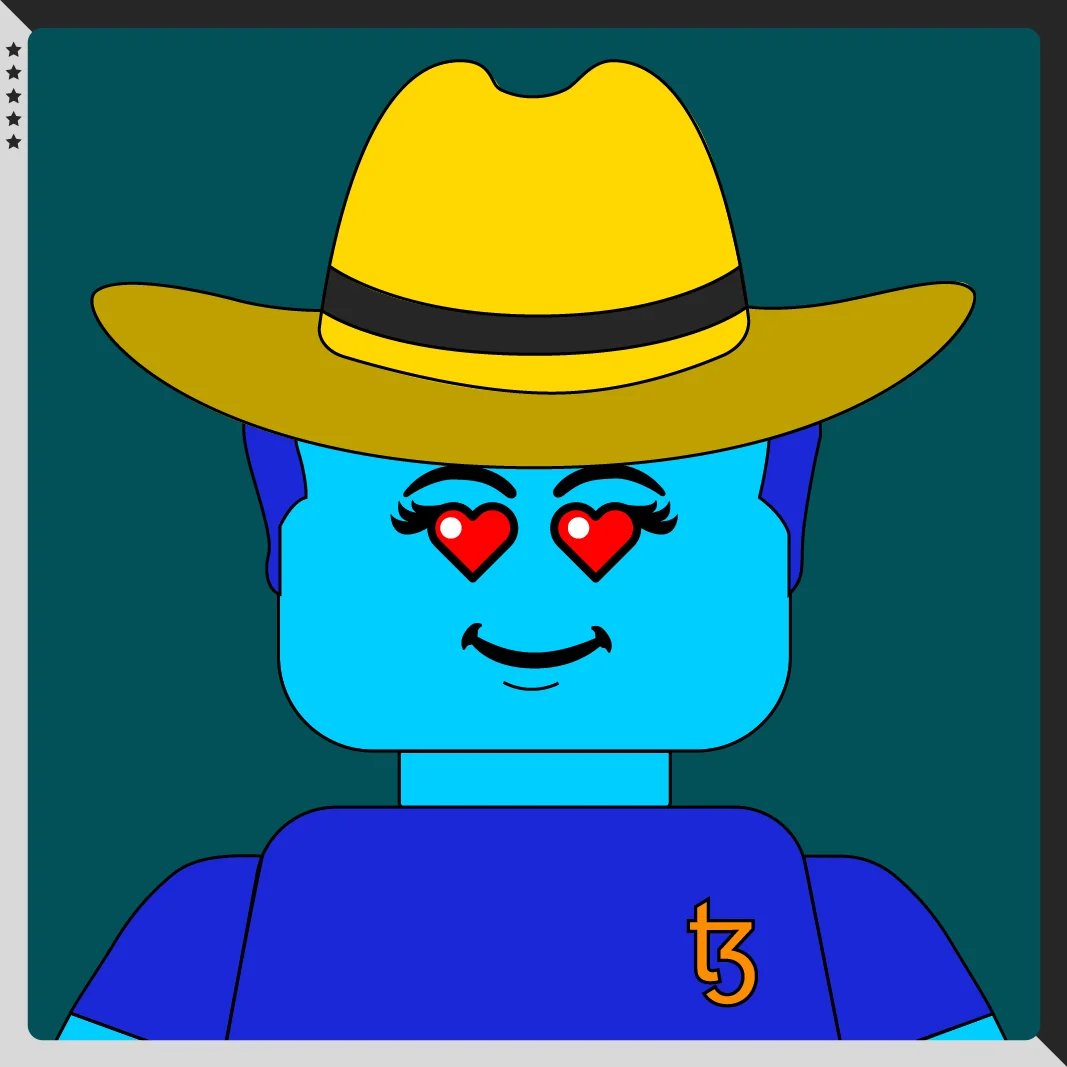
The upgrade artwork for tzMiniFig #1451, from the original portrait through Level 5.
Gilded cards
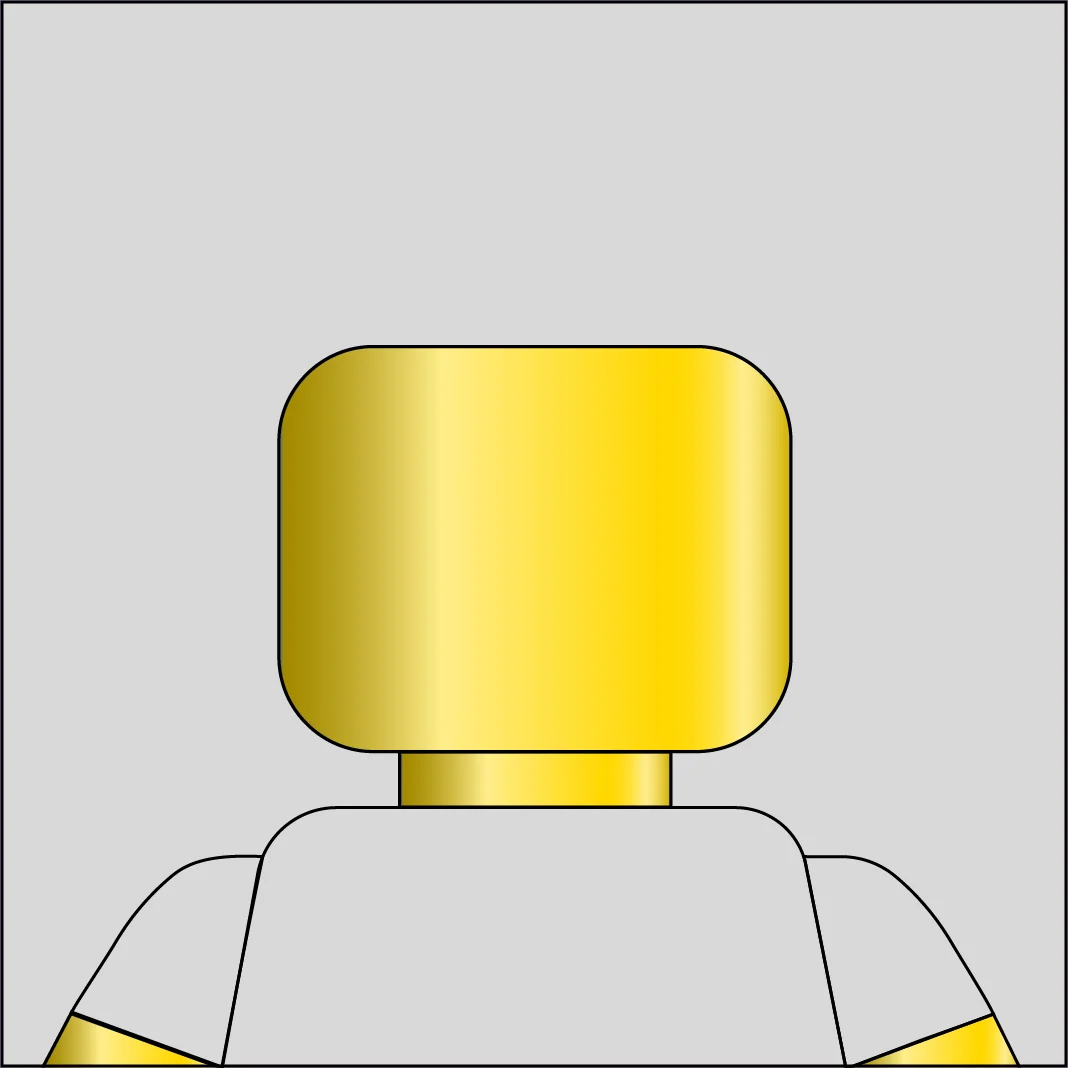
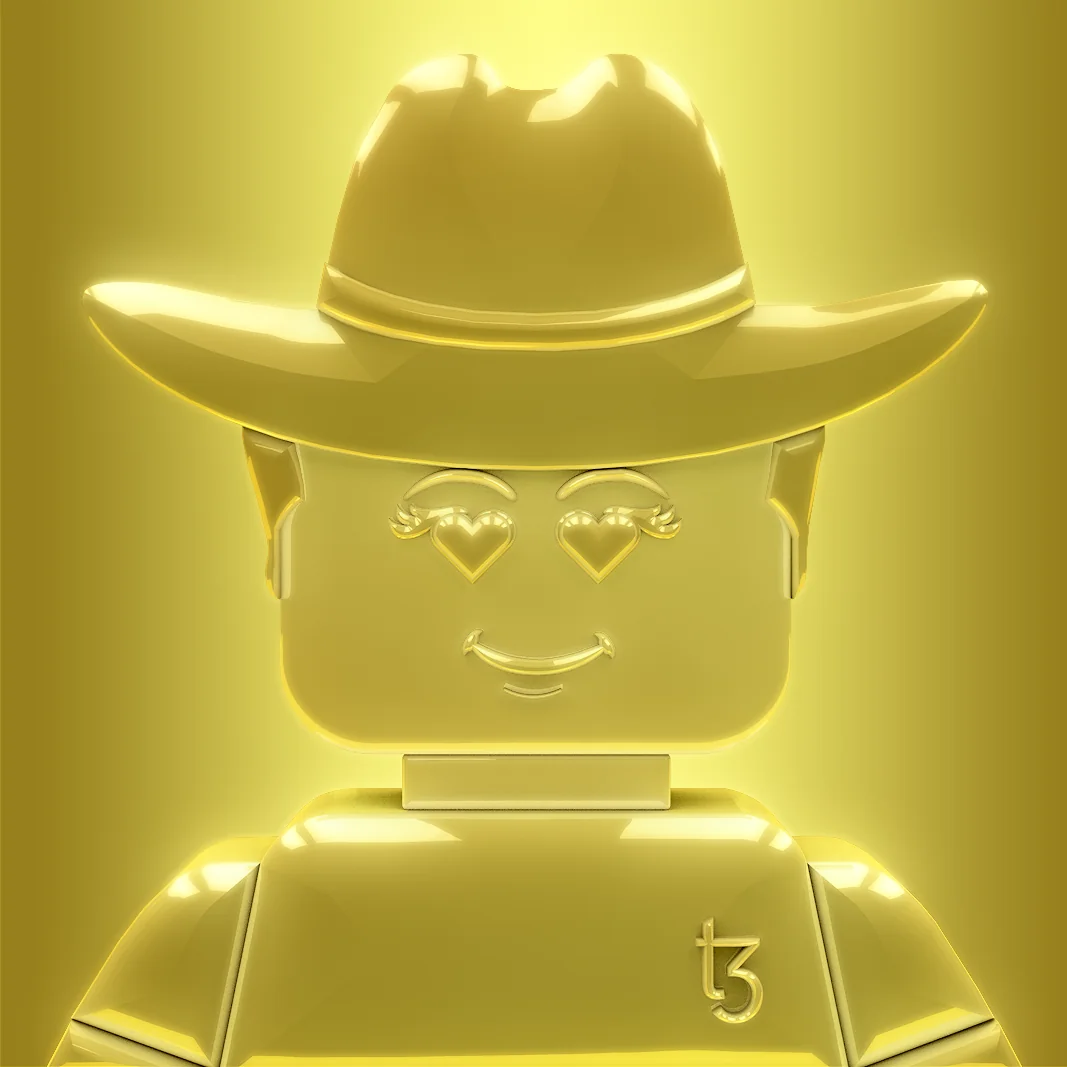
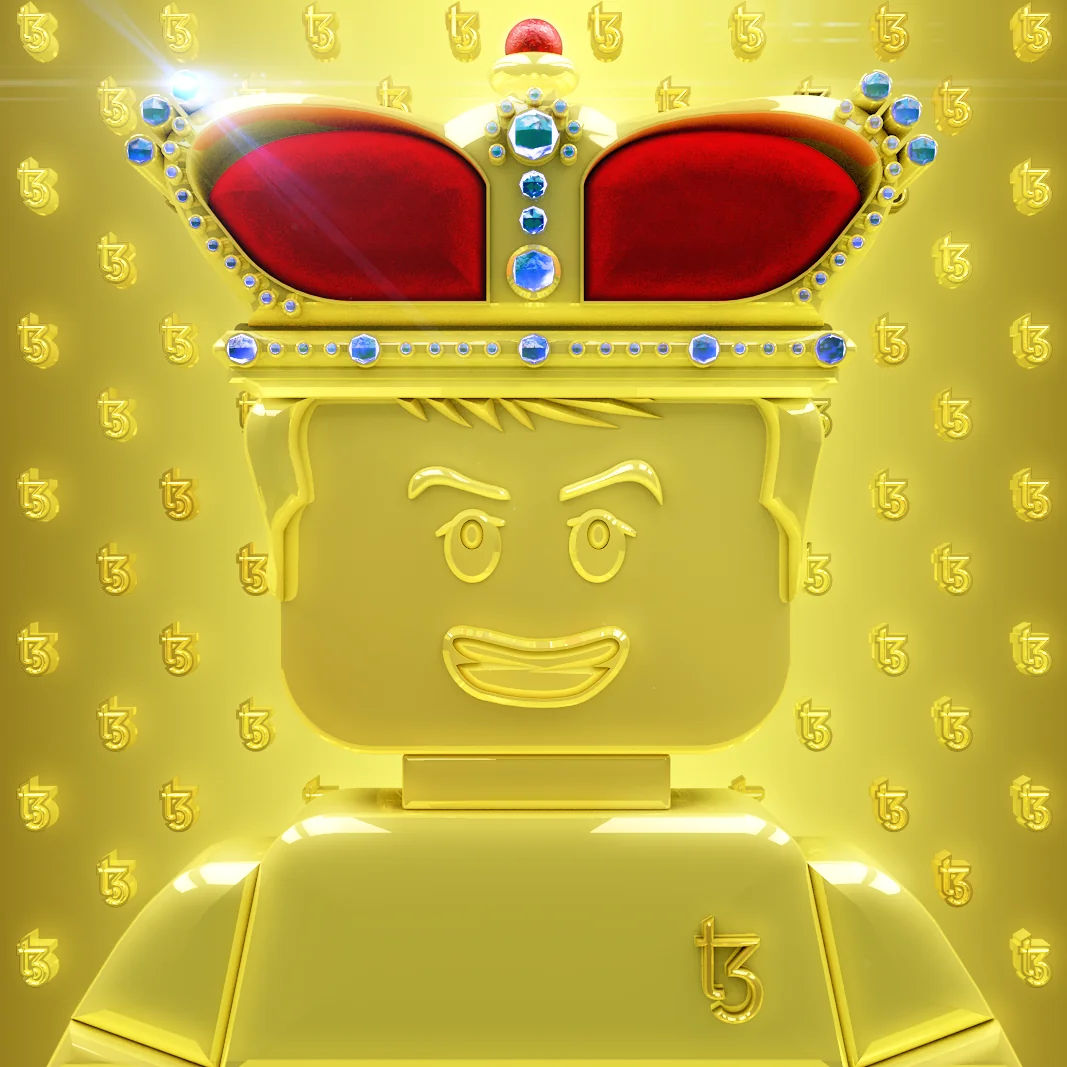
At the end of that progression were the Gilded cards. These took the original illustration into 3D.
I exported the card from After Effects for Illustrator, then brought the vector information into Cinema 4D. From there, I extruded the shapes and built the materials and lighting to turn the flat character into a dimensional gold artwork.
Each Gilded card took individual work. It was a chance to give a collector's character a very different finish while keeping its identity intact.
Fifteen months of keeping it going
Building the collection was only the beginning. Keeping up with the giveaways, new artwork, Custom orders, records, and roadmap items became a substantial part of the project.
There were drawings for first-time collectors, equal-chance Holder giveaways, and weighted Hoarder giveaways where a larger collection or upgraded card could mean more entries. I recorded drawings, made the promotional videos, announced winners, and delivered prizes.
The schedule evolved as the project went along, but regular activity continued long after the original launch. Doing that work by hand for about fifteen months is one of the things I'm proudest of.
The Legendary Cards
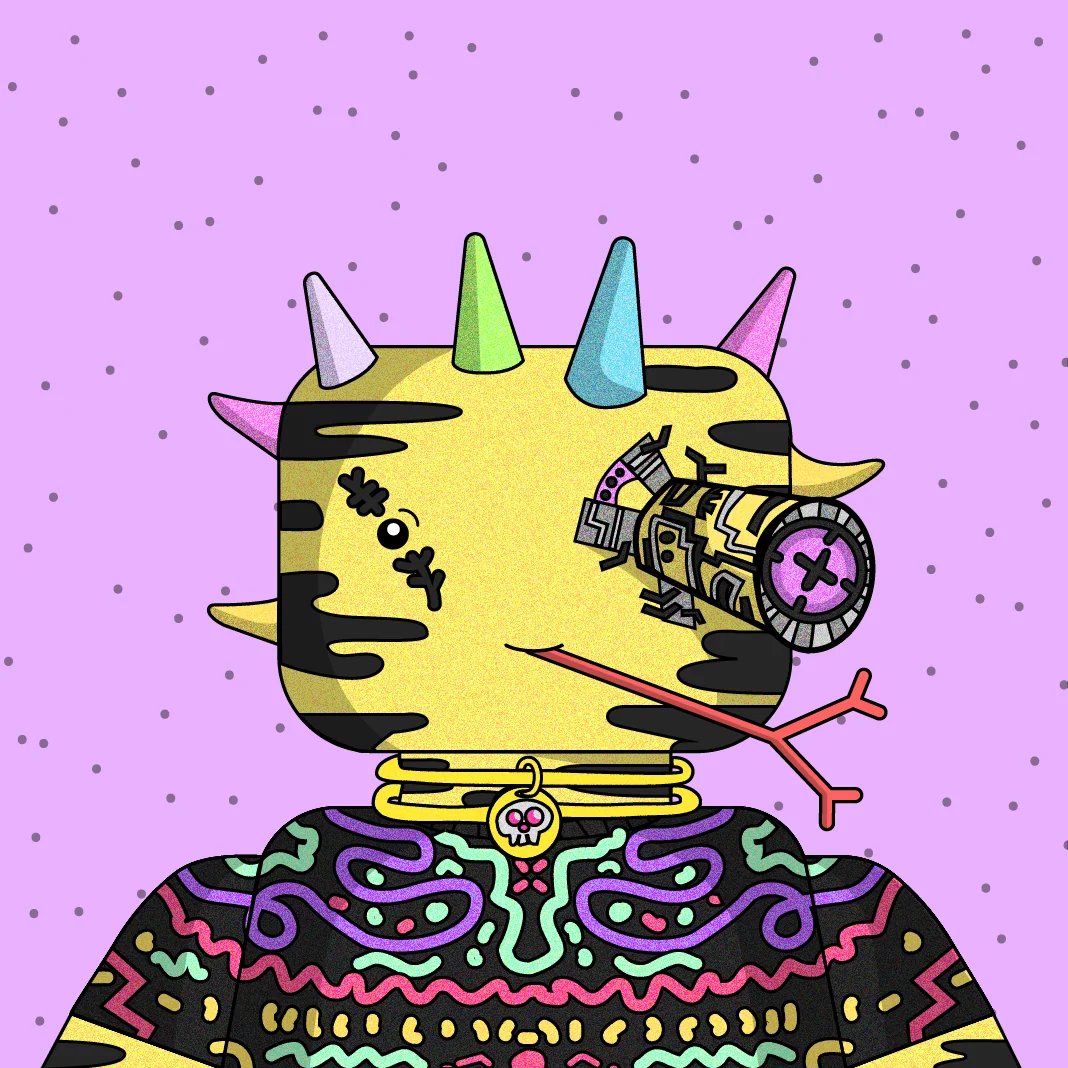
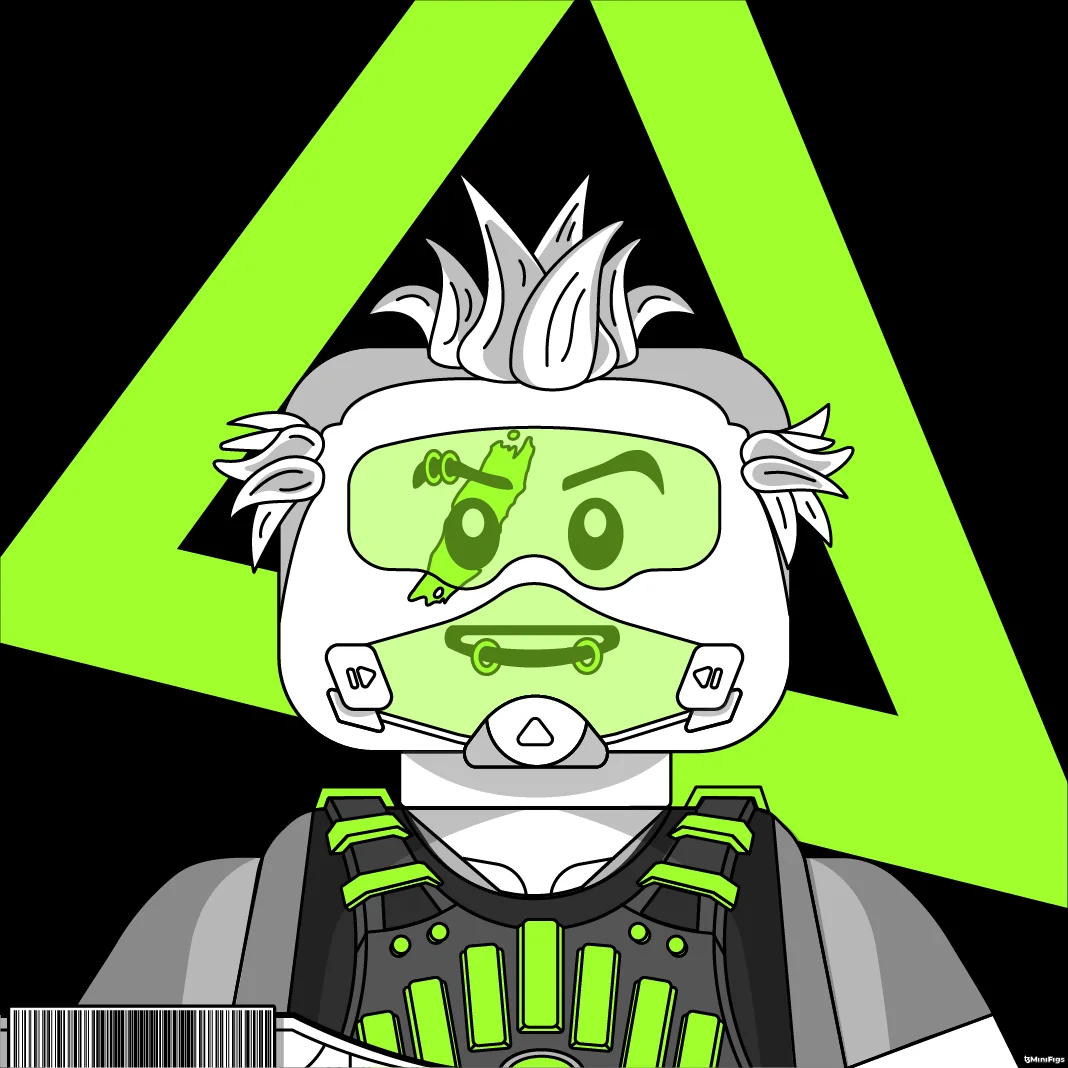
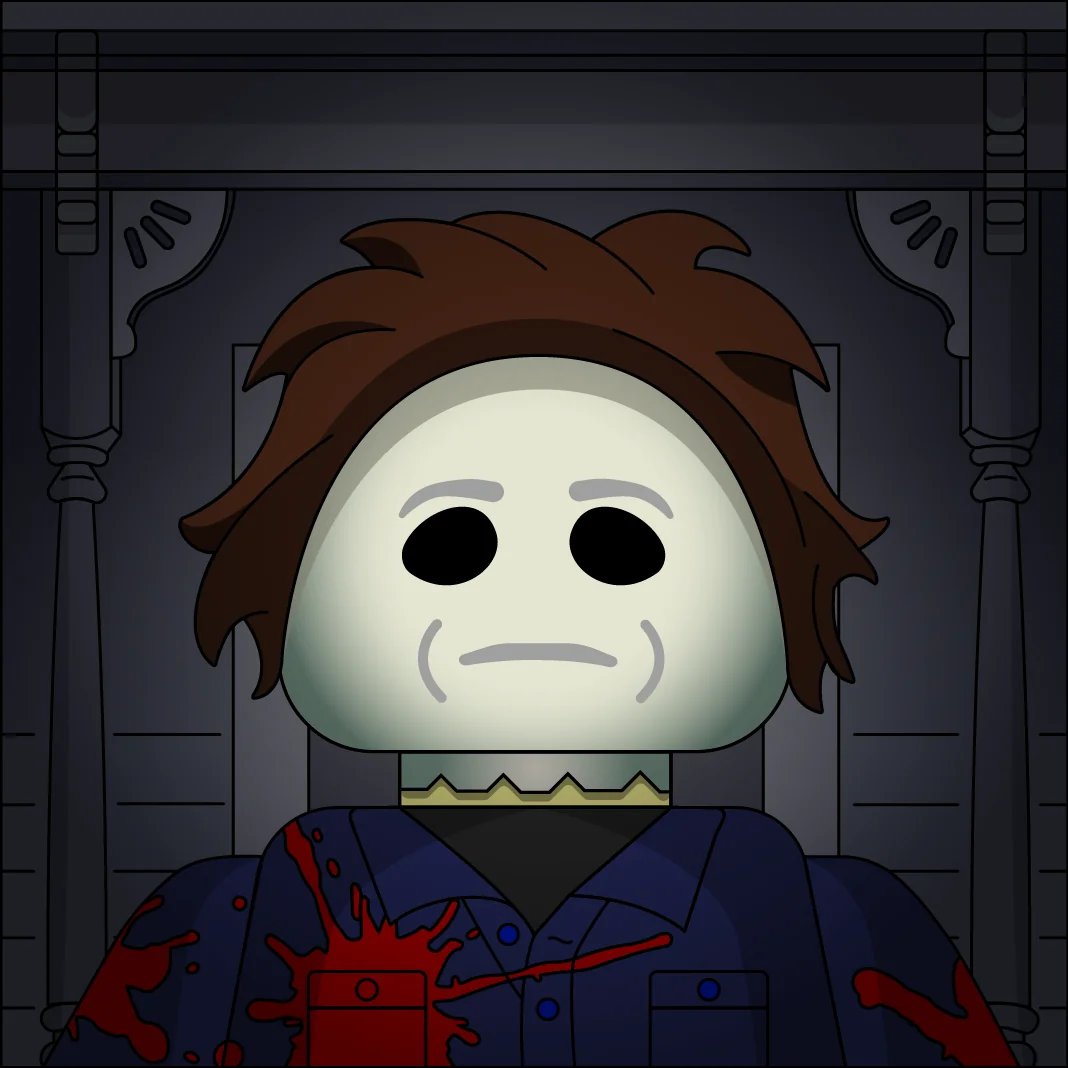
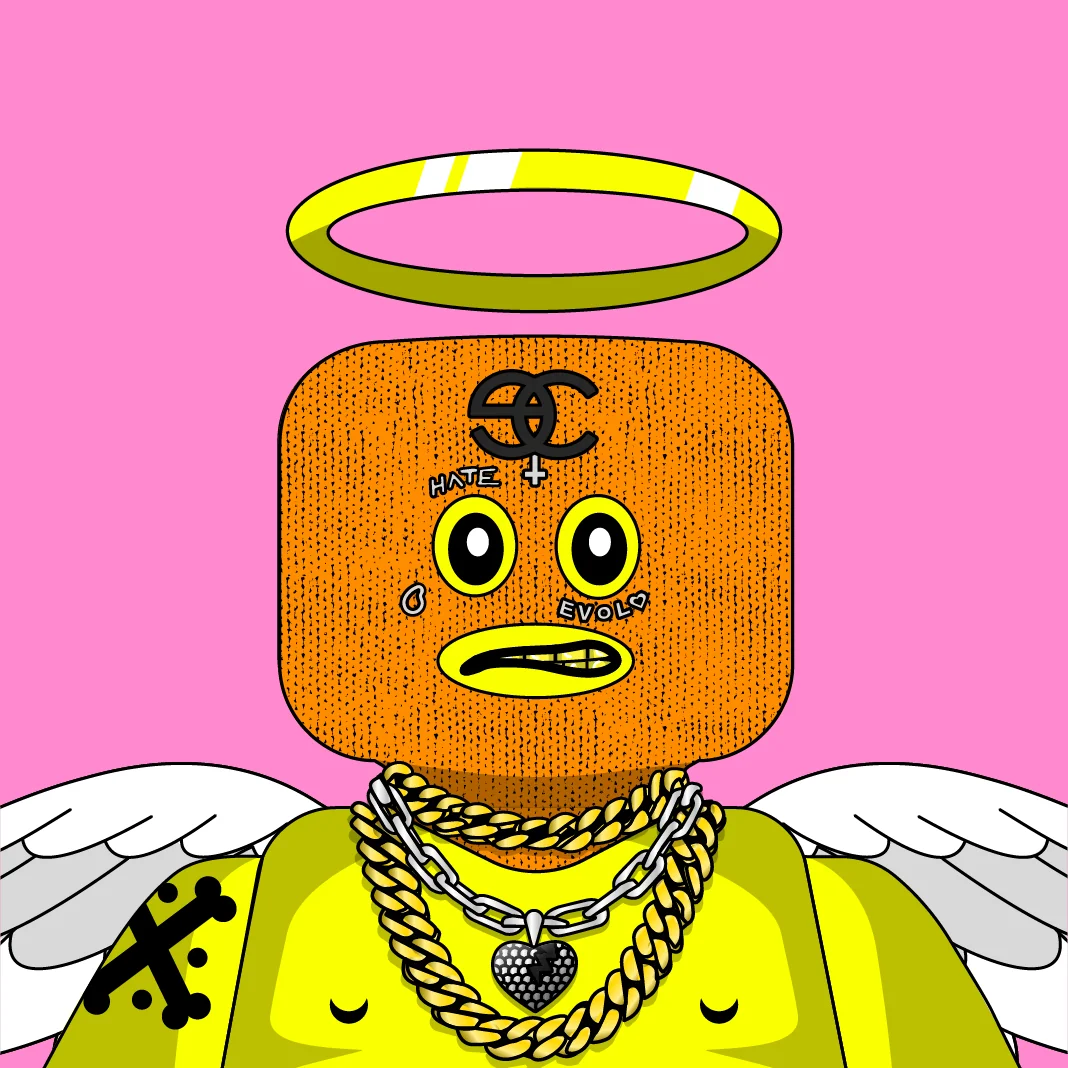
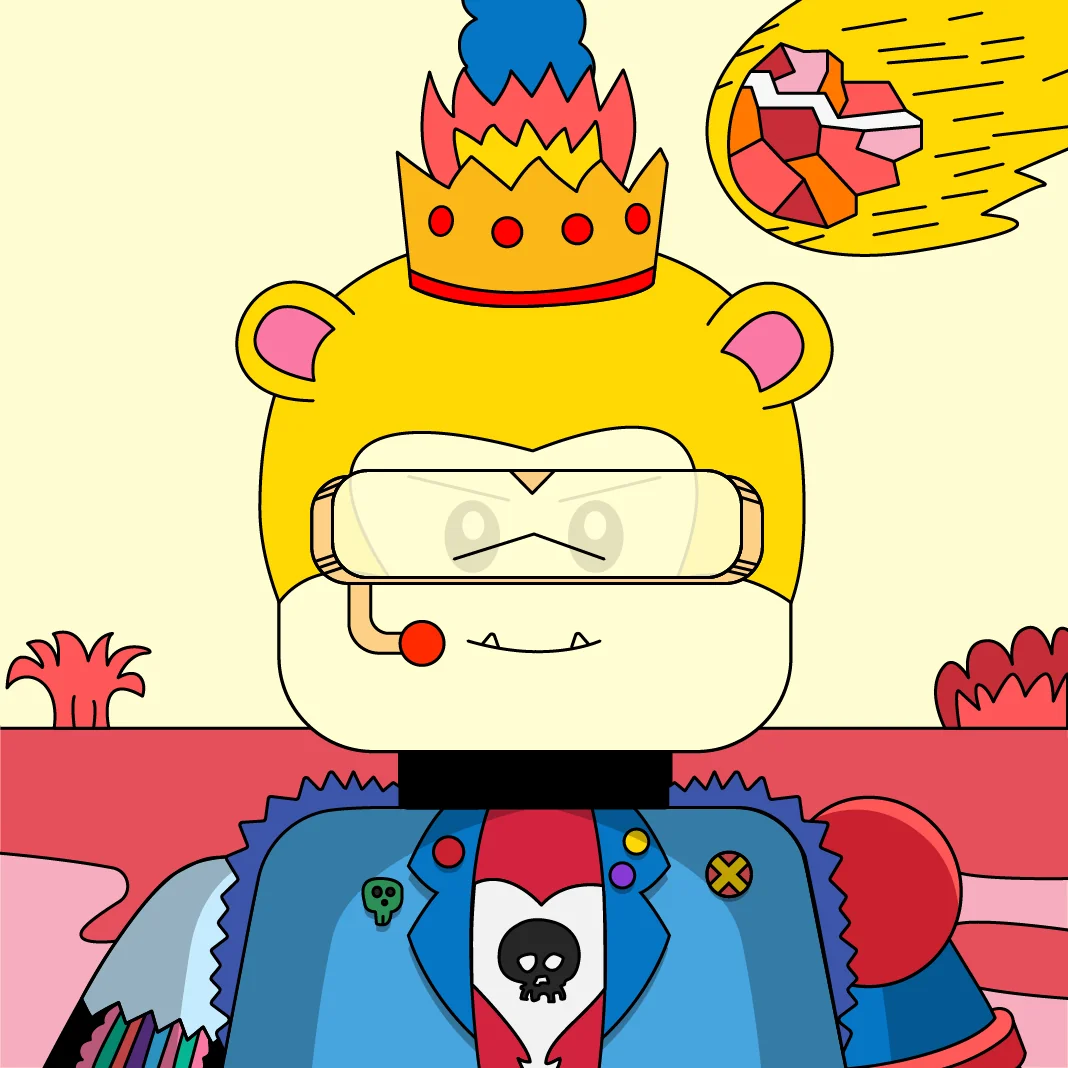
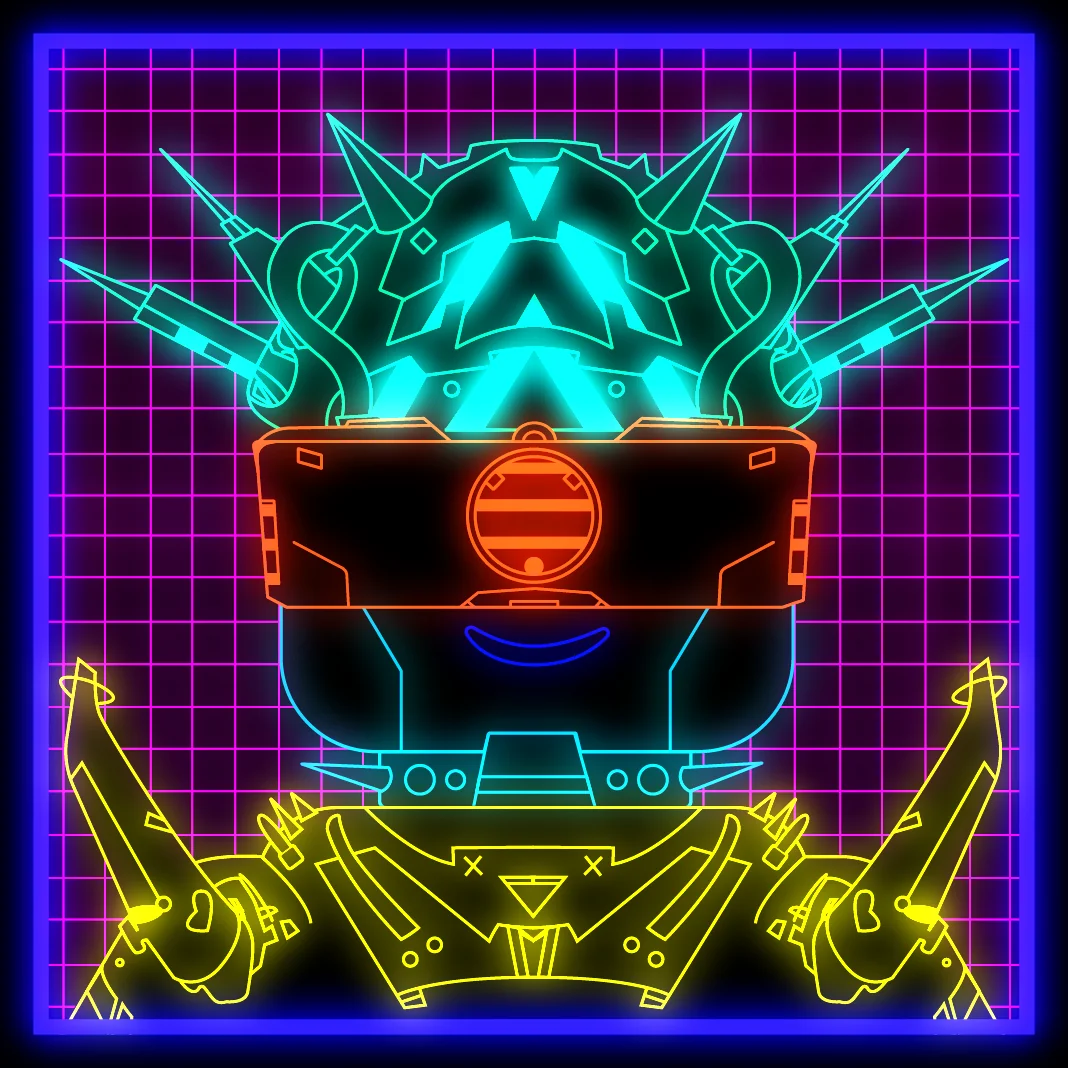
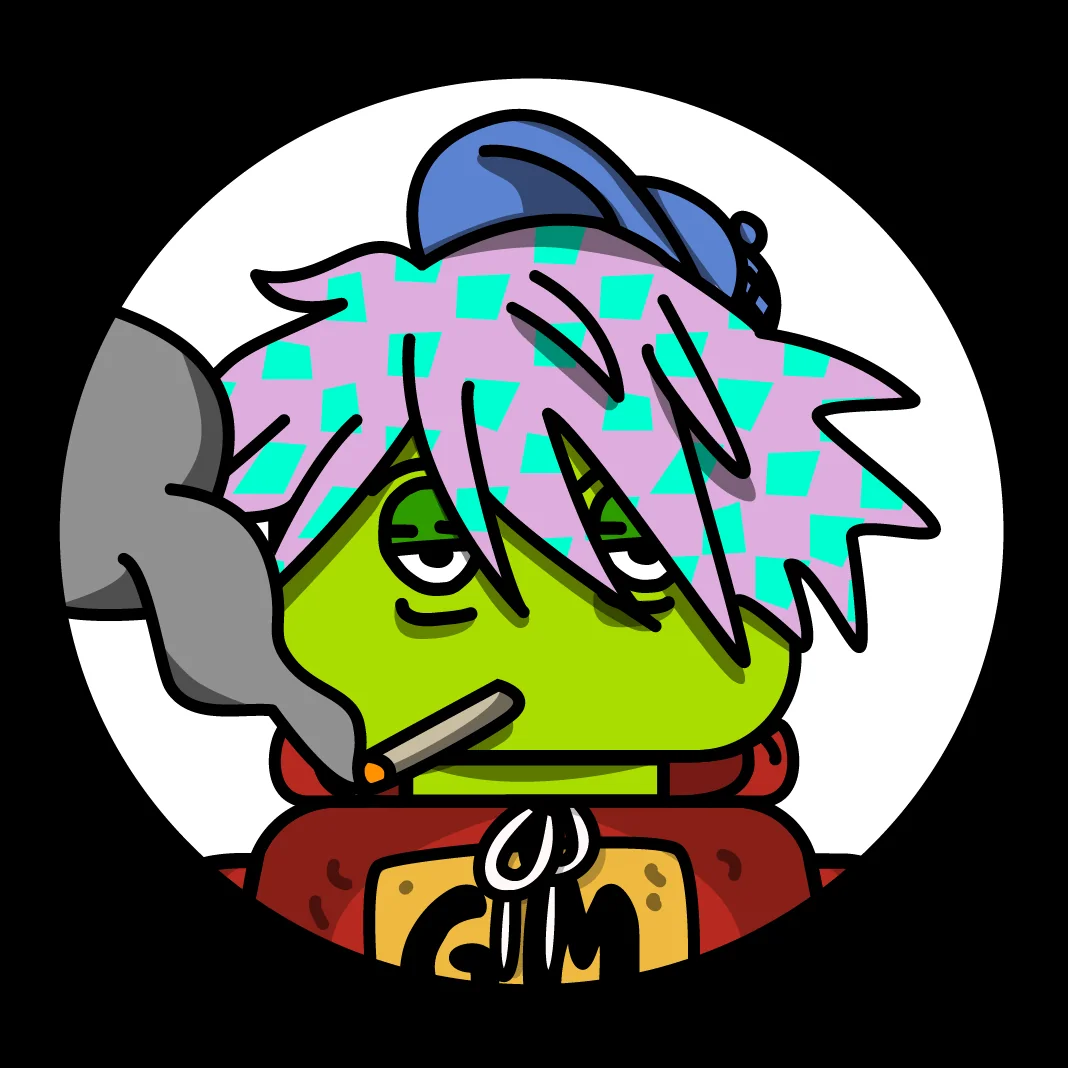
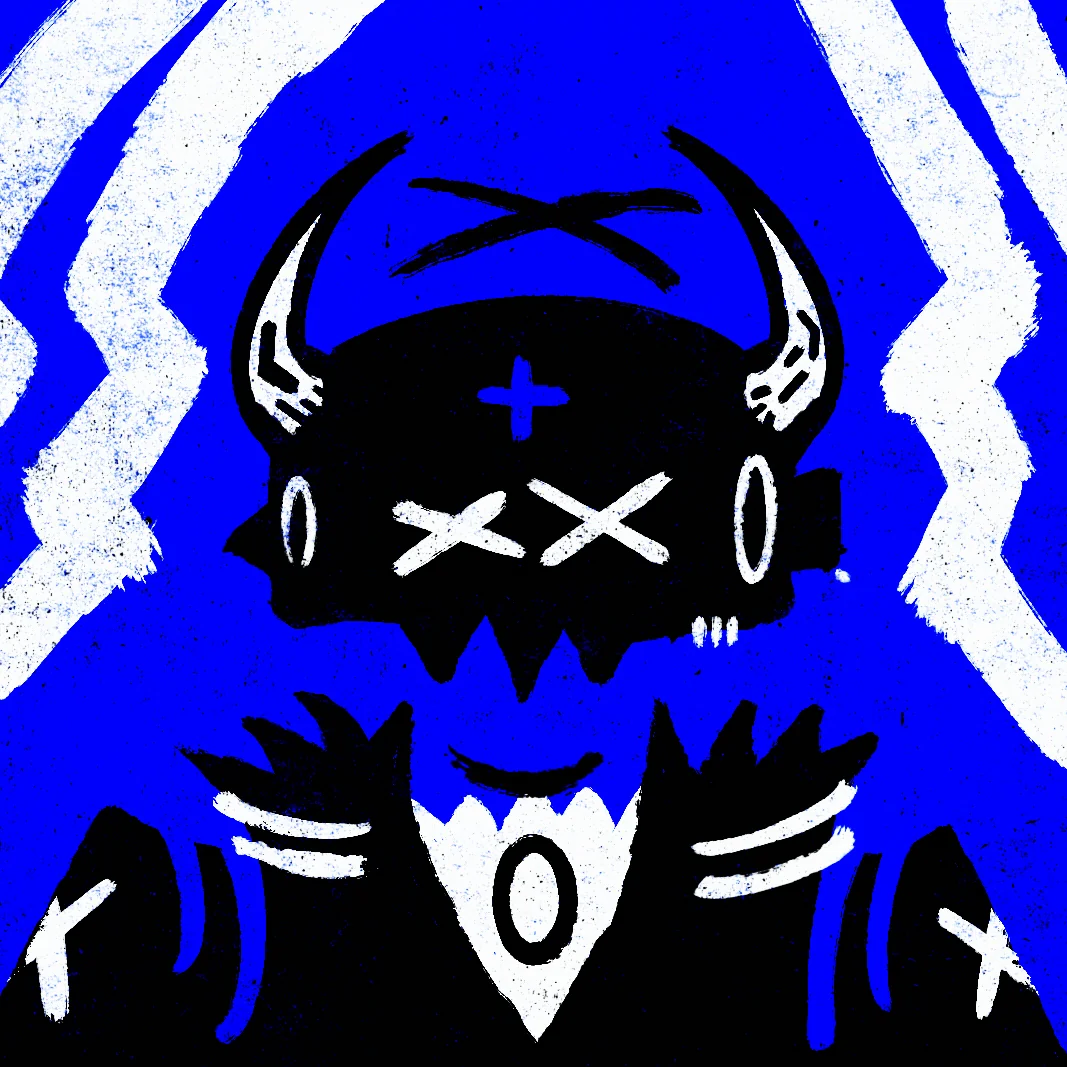
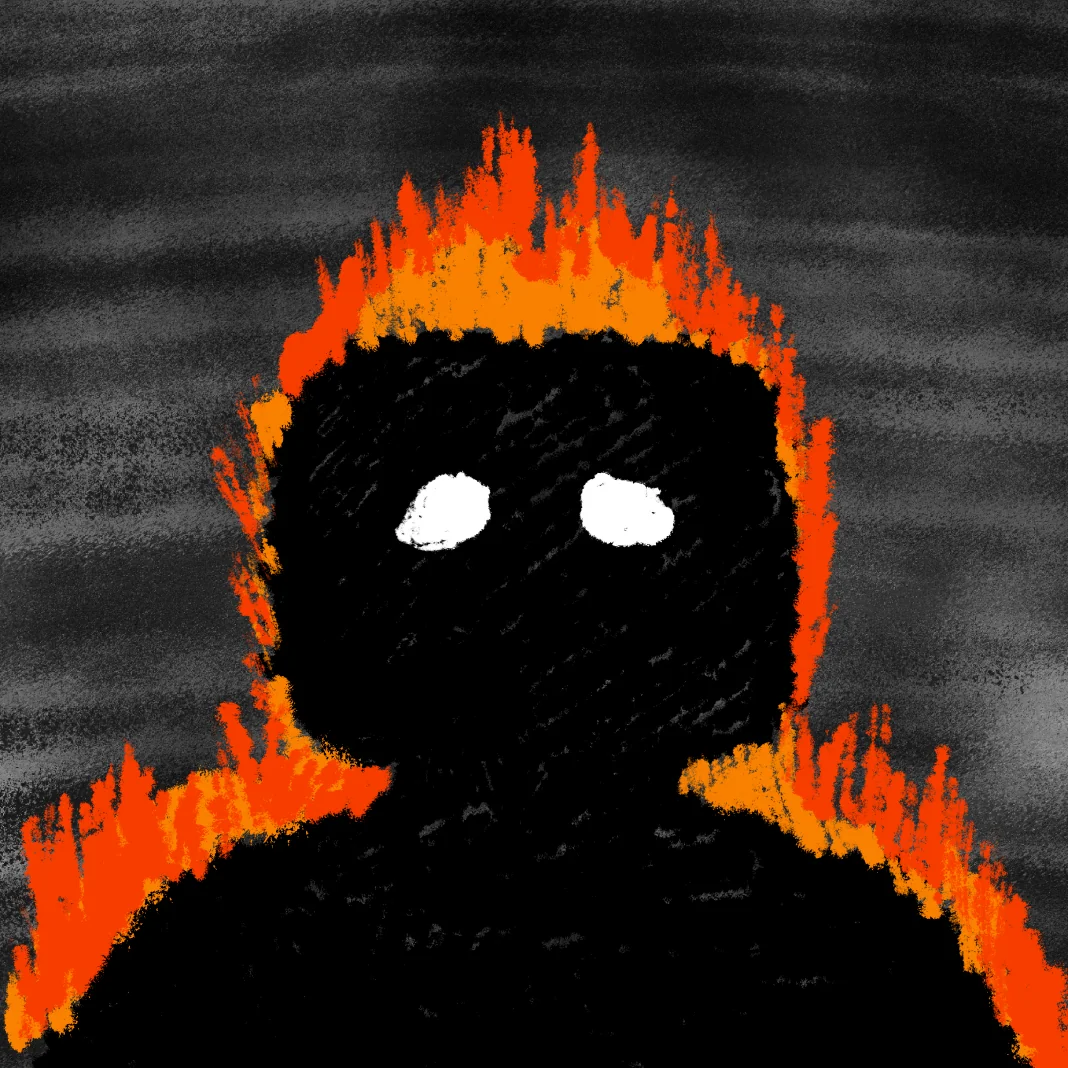
The Legendary series gave me a reason to keep making new artwork. Many paid tribute to artists and collections I loved in the Tezos community; others celebrated characters such as Michael Myers or Santa.
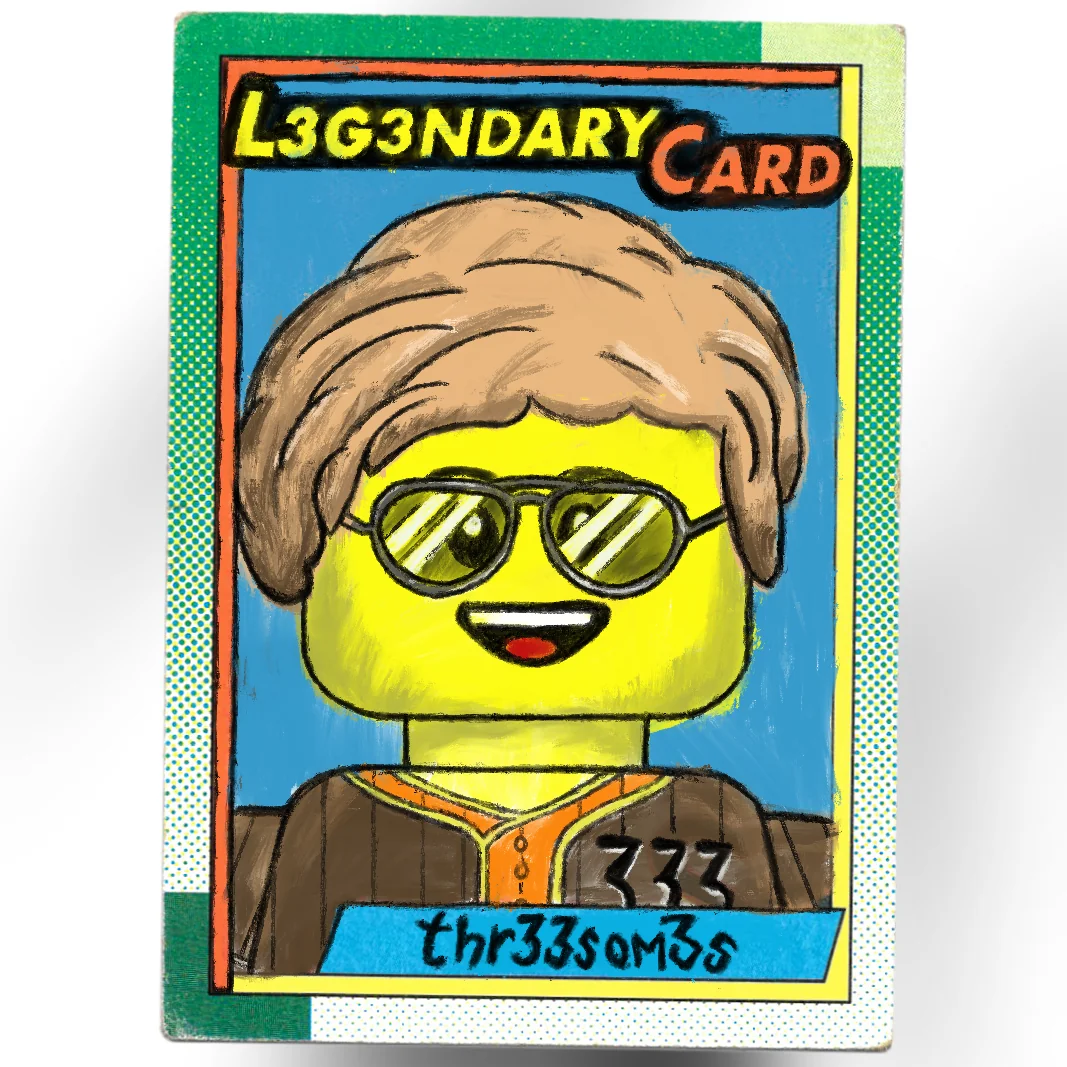
The figures could break out of the original collection's style, too. There were neon portraits, an animated monster, a painted baseball card, and a character disappearing into fire. Fifteen numbered Legendary designs survive in the archive.
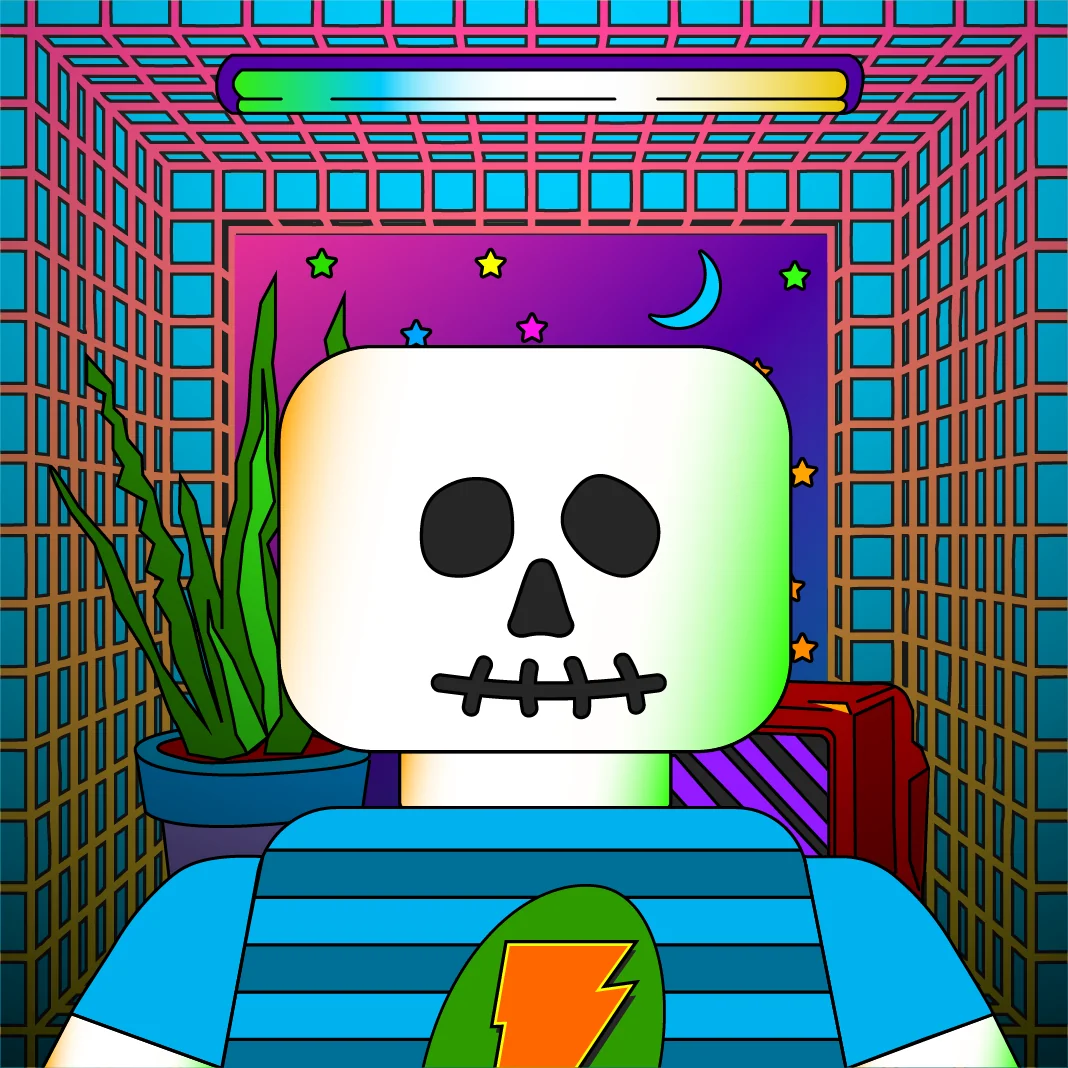

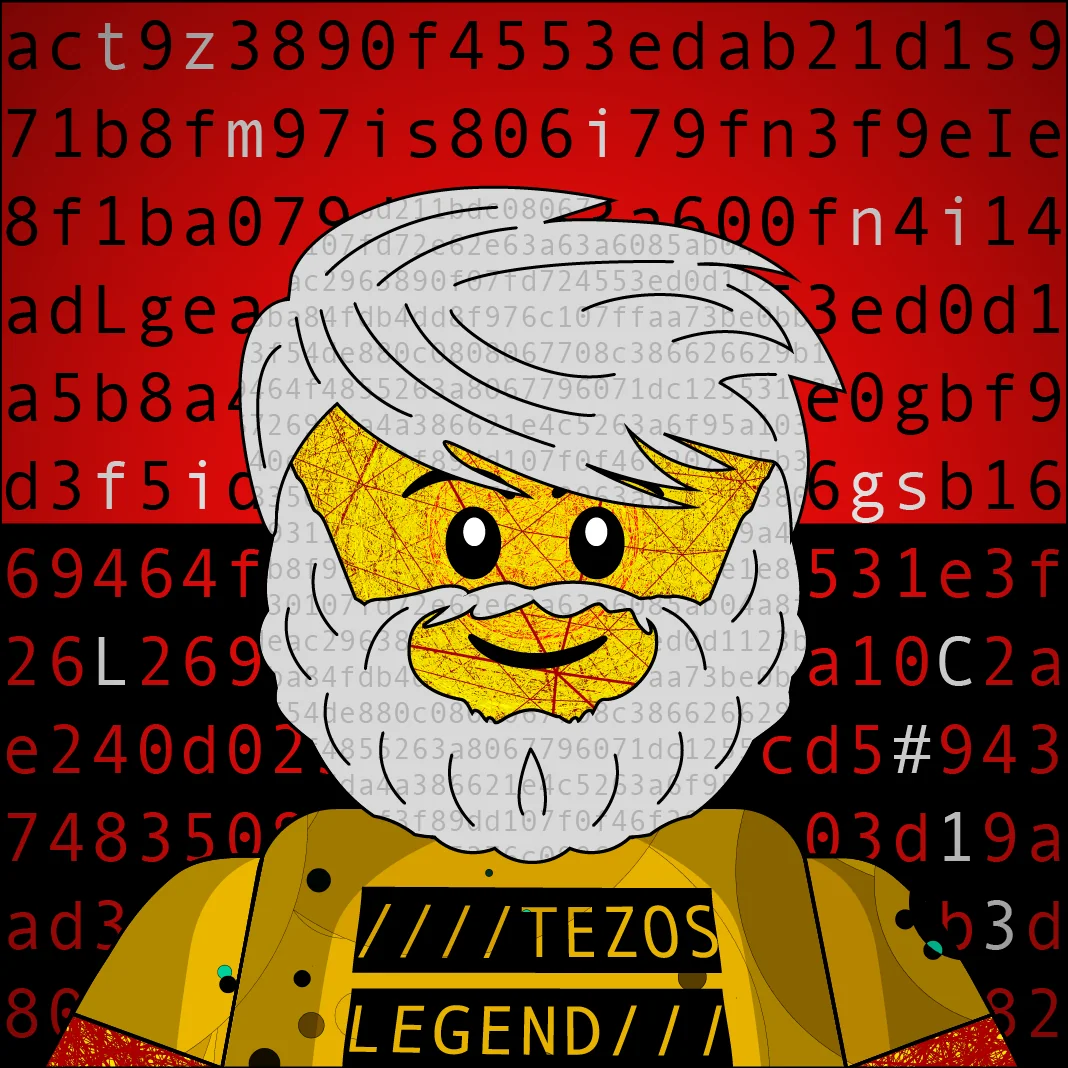
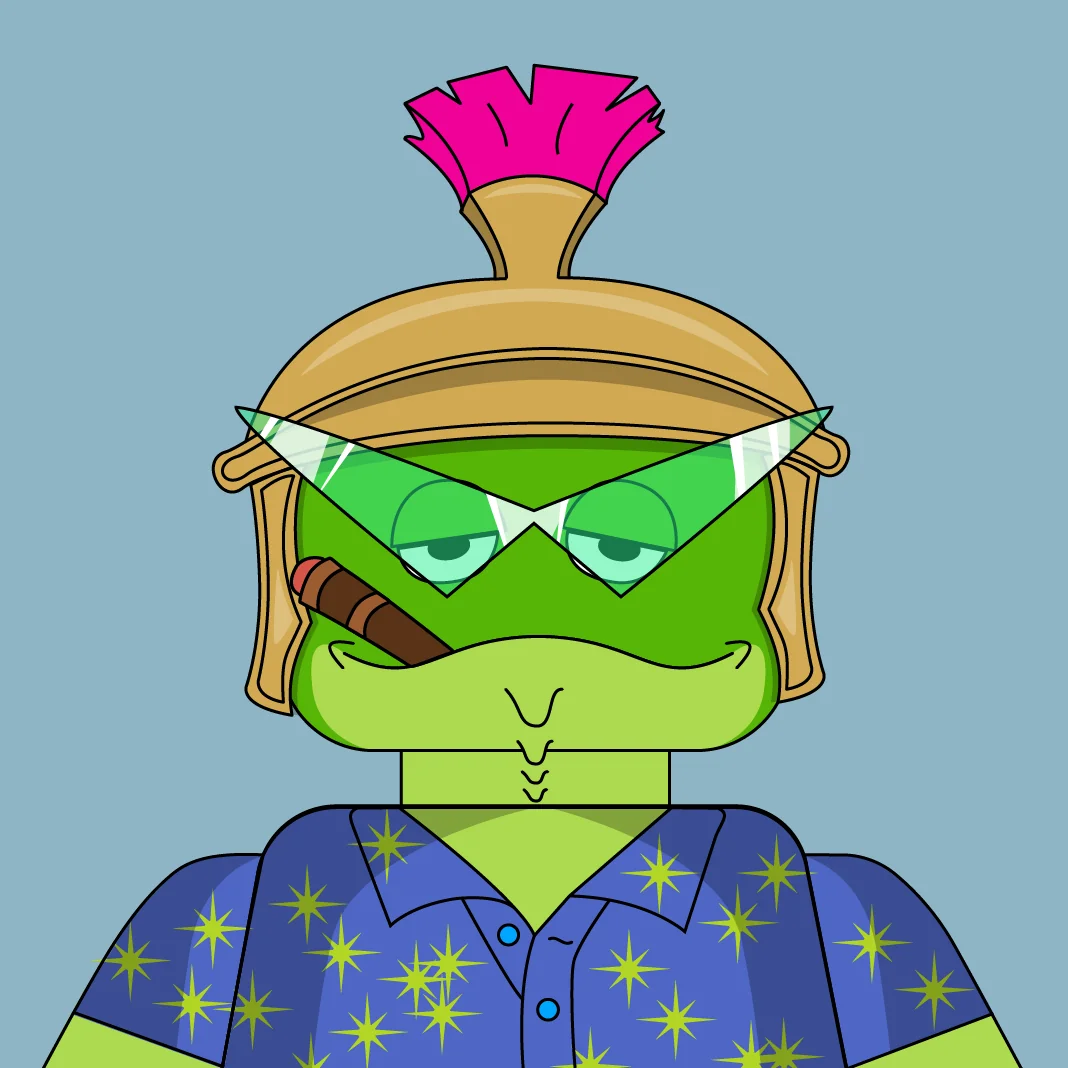
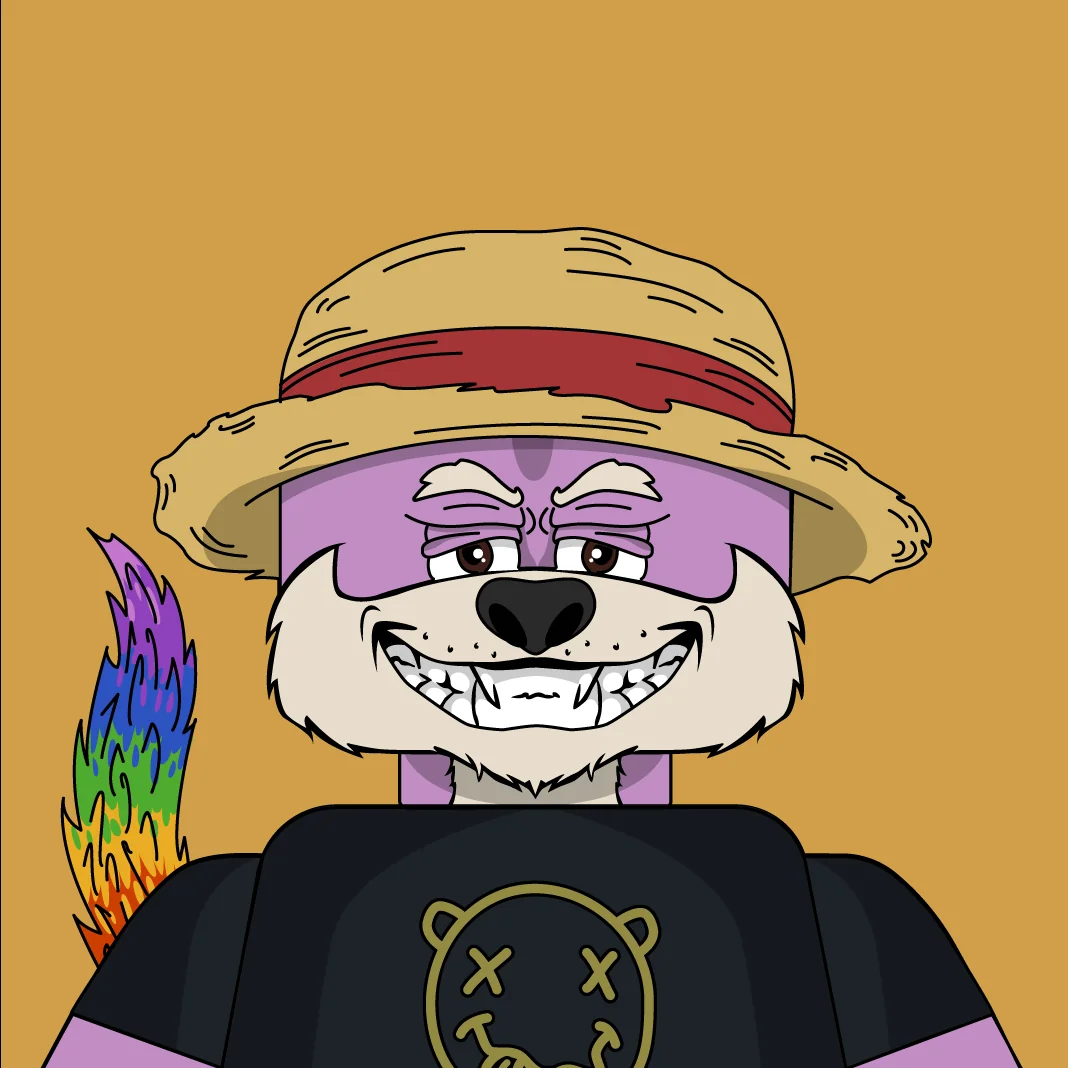
Des Lucréce · Legendary #10. Play to see the original animation.
A few favorites from the series
Des Lucréce · Legendary #10. This tribute was the collection's first animated GIF. It became the prize for the first Rarity Event, where a collector's combination of cards and rarity scores mattered to the result.
Thr33som3s · Legendary #11. Thr33som3s was a major influence on the way I thought about utility. For the tribute, I scanned an old baseball card and painted over it in Procreate to bring a tzMiniFig into that world.
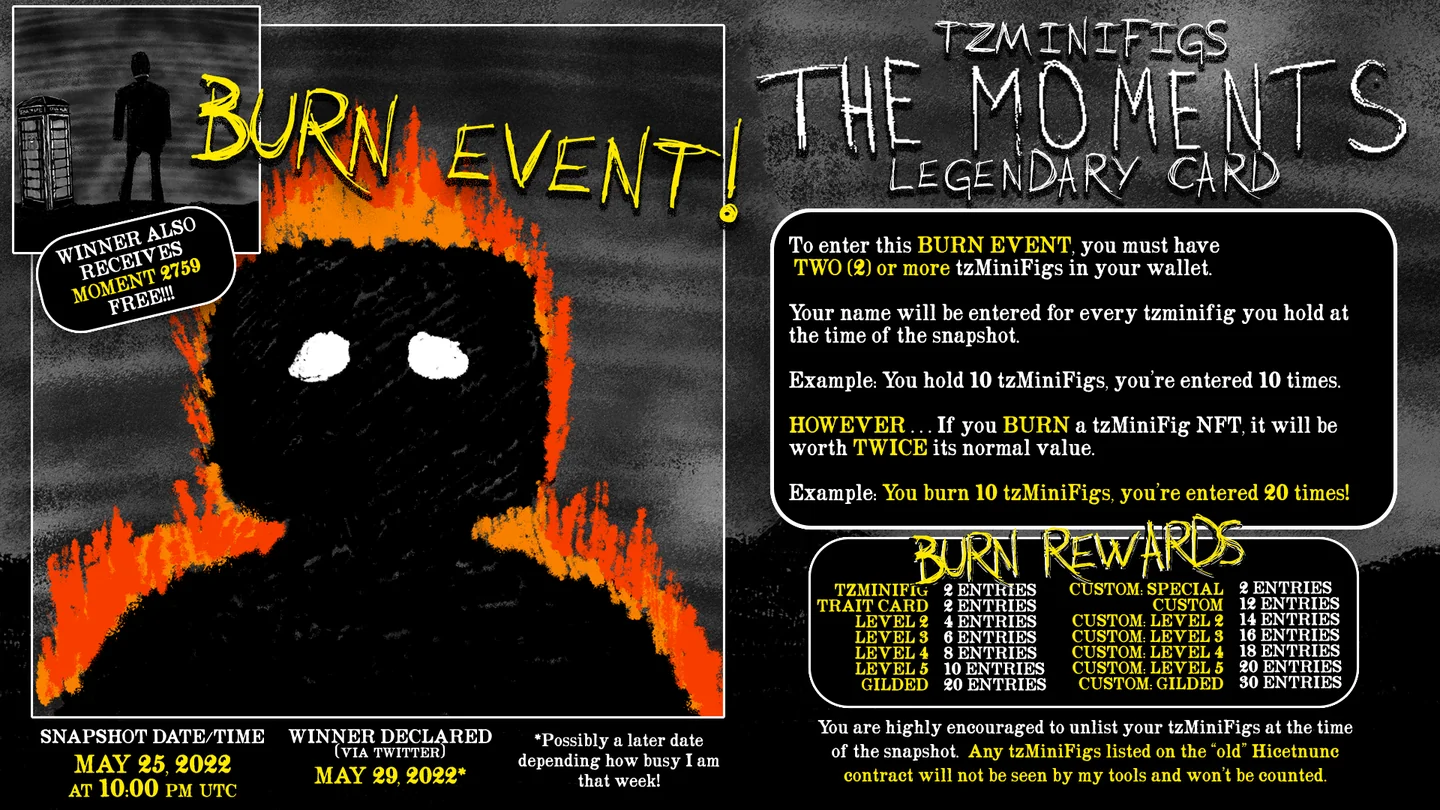
The Moments · Legendary #12. This became the prize for the first Burn Event. Collectors could permanently retire cards for additional drawing weight, and the winner received both the Legendary tribute and another artwork from The Moments collection.
The work around the artwork
The collection needed its own supporting material: a trait catalog, illustrated instructions, order forms, event graphics, giveaway videos, and a lot of spreadsheet recordkeeping.
Google Sheets kept track of more than rarity. It held publishing metadata, replacements, Custom records, upgrade states, and giveaway information. Alongside the artwork, I was maintaining the system that kept those pieces connected.
Looking back through it now, that's a big part of what I want to preserve: the drawings, the process, and all the work that helped people enjoy collecting them.
Where it ended up
By the end of 2022, tzMiniFigs had run its course. I'd taken a job that needed more of my time, and I was dealing with health issues. It was time to move on.
The original utility ended in December 2022, but I kept the artwork, source projects, and collection records. The NFTs were minted on Tezos, and the archive gives me a place to pick things up if I ever decide to return.
For now, I'm glad to give the project a proper home here: a record of the characters, the work, and the collection we built together.
The original project website is available as a historical archive.